


Pignut Hickory (Carya glabra) is a stately, straight-trunked native of eastern North American forests. Less famous than its cousin Shagbark, it's equally valuable for its extremely hard, dense wood and its nuts—bitter to humans but relished by wildlife.
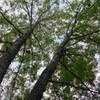
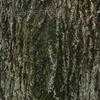
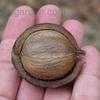
A tall canopy tree to 60–80 feet (sometimes 100+) with a narrow, oblong crown. Bark is gray, tight, and shallowly fissured—not shaggy. Leaves are pinnately compound, typically 5 leaflets (sometimes 7), glossy green above. Nuts are pear-shaped, thin-shelled, with a bitter kernel—hence "pignut" (fit for pigs). Fall color is a rich, clear gold.
Hickory wood is legendary for tool handles, ladder rungs, flooring, and smoking meats—high shock resistance and bending strength. The nuts feed squirrels, turkeys, bears, and more. Deep taproot makes it drought-tolerant but hard to transplant. Plant as a legacy tree for future generations—it can live 200+ years.

Hickory vs. Pecan: Understanding the Relationship and Wood Uses
Identifying a Lowe's Butterwort—Almost Certainly P. primuliflora
Chonta Palm (Juania australis): Rare Chilean Palm
European Hornbeam (Carpinus betulus): The Classic Hedge & Shade Tree
Plumeria pudica: The Everblooming, Evergreen Frangipani
Durian (Durio zibethinus): The King of Fruits—Love It or Hate It
Washingtonia × filibusta: The Hybrid Fan Palm for Marginal Climates
Copyright © www.100flowers.win Botanic Garden All Rights Reserved