


Common hackberry, also called American hackberry, is a large, adaptable native tree that thrives where many others fail: urban pollution, compacted soil, drought, wind, and alkaline conditions. Its distinctive warty bark, elm-like form, and wildlife value make it a resilient choice for challenging landscapes.

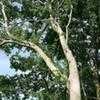
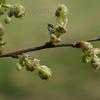

Hackberry reaches 40–60 feet tall (occasionally 100 feet) with a broad, rounded crown and arching branches. The bark is its most ornamental feature: gray-brown with prominent, corky warts and ridges. Leaves are ovate, serrated, and rough-textured, turning yellow in fall. Small, orange-red to purple drupes (¼ inch) ripen in fall and persist into winter, feeding birds.
Extremely tolerant of adverse conditions: drought, flooding, alkaline soil, road salt, wind, and pollution. Hardy in USDA zones 2–9. Fast-growing when young, moderate with age. Relatively pest-free, though nipple gall on leaves is common but cosmetic.
Shade tree for large areas, street tree (with root space), windbreak, and wildlife planting. Its deep root system makes it suitable near pavement if given adequate soil volume. A tough, low-maintenance native for sustainable landscapes.
Purple Pincushion (Escobaria vivipara): A Cold-Hardy, Clumping Cactus with Magenta Blooms
Lepismium cruciforme (Trailing Cactus)
Echinocereus scheeri subsp. gentryi: A Clumping, Pink-Flowered Hedgehog
American Beachgrass (Ammophila breviligulata)
Caracas Wigandia (Wigandia urens): The Stinging Giant with Velvet Leaves
Glandularia pulchella: South American Mock Vervain – Moss Verbena for Hot, Dry Sites
Rice-Paper Tree (Tetrapanax papyrifer)
Sapodilla (Manilkara zapota): Tropical Fruit with Chicle Legacy
Shagbark Hickory (Carya ovata): Majestic Native with Striking Bark
American Beech (Fagus grandifolia): Majestic Native Shade Tree
Sausage Tree: Africa's Bizarre & Beautiful Kigelia
Dicksonia sellowiana (Tree Fern)
American Euonymus (Hearts-a-Busting): Identification and Wildlife Value
Copyright © www.100flowers.win Botanic Garden All Rights Reserved