


Sapodilla, also called Nispero, Chicle Tree, or Sapota, is a magnificent tropical evergreen tree famous for its delicious fruit and as the original source of chicle—the natural latex base for chewing gum. Manilkara zapota (family Sapotaceae) is native to southern Mexico, Central America, and the Caribbean.
The fruit is a berry, 2-4 inches, round to oval, with rough, brown, scurfy skin. The flesh is translucent brown, sweet, granular (like a pear), with a flavor reminiscent of brown sugar, malt, and pear. It contains 1-6 hard, black, shiny seeds with a hook. The tree produces white, gummy latex (chicle) from all parts—historically harvested by "chicleros" for gum base. The wood is extremely hard, dense, red-brown—used for beams, tool handles, and railway ties.

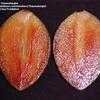
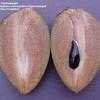
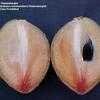
| Family: | Sapotaceae |
| Genus: | Manilkara (man-il-KAR-uh) |
| Species: | zapota (zuh-POH-tuh) |
| Synonym: | Manilcara achras |
| Synonym: | Sapota achras |
| Synonym: | Achras zapota |
| Synonym: | Manilkara chiku |
Sapodilla grows 30-60 feet tall (to 100+ in wild) with a dense, pyramidal crown. It requires tropical conditions (zone 10b+), full sun, well-drained soil, and is moderately drought-tolerant once established. It's wind-resistant (deep roots). Grafted trees fruit in 3-5 years; seedlings take 8+ years.
It's a major commercial fruit crop in India, Thailand, Malaysia, Mexico, and Brazil. The fruit is eaten fresh, in sherbets, drinks, and desserts. Chicle was the sole gum base until synthetics replaced it in the 1950s; natural chicle gum is now a niche product. The tree is also ornamental—glossy evergreen foliage, dense shade. A tropical treasure of flavor, history, and utility.
Coral Aloe (Aloe striata): Smooth Striped Winter Bloomer
Tasajillo (Cylindropuntia leptocaulis)
Austrocylindropuntia verschaffeltii: A Cylindrical, Jointed Cactus
Striata Agave (Agave striata): A Spherical, Needle-Leaved Agave
Rebutia mentosa: A Small, Clustering, Orange-Flowered Cactus
Copyright © www.100flowers.win Botanic Garden All Rights Reserved