


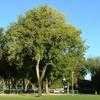
Siberian Elm is a testament to botanical toughness—a tree that survives where few others can, but one that comes with significant drawbacks. Native to Central Asia, eastern Siberia, Mongolia, and northern China, Ulmus pumila (family Ulmaceae) was widely planted in the Midwest and Great Plains as a replacement for American Elm after Dutch elm disease.
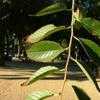
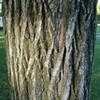
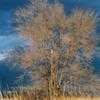
Siberian Elm grows rapidly (3-5 feet/year) to 50-70 feet tall, tolerating extreme cold (-40°F), heat, drought, wind, alkaline soil, salt, and pollution. The leaves are small (1-3 inches), elliptical, doubly serrate, dark green, often turning a nondescript yellow in fall. The bark is gray, rough, furrowed. It produces abundant, wind-dispersed seeds (samaras) that germinate readily everywhere.
| Family: | Ulmaceae (ulm-AY-see-ee) |
| Genus: | Ulmus (ULM-us) |
| Species: | pumila (POO-mil-uh) |
Despite its toughness, Siberian Elm is widely considered a poor landscape choice: brittle wood leads to frequent storm damage; aggressive self-seeding makes it weedy/invasive; it's susceptible to elm leaf beetle (skeletonizes foliage) and wetwood (bacterial disease causing sap flux); the form is often messy and irregular; and it lacks ornamental merit.
Many municipalities prohibit its planting. For tough sites, far better alternatives exist: Chinese Elm (Ulmus parvifolia) for similar conditions with beautiful bark and form; 'Frontier' or 'Accolade' hybrid elms for disease resistance and quality; Hackberry (Celtis occidentalis) for native adaptability; or Kentucky Coffeetree (Gymnocladus dioicus) for extreme toughness with dignity. If Siberian Elm volunteers appear, remove them promptly.
Siberian Elm (Ulmus pumila): Tough but Troublesome Urban Survivor
Lemon Tree: The Classic Citrus for Fruit, Fragrance & Foliage
Chonta Palm (Juania australis): Rare Chilean Palm
European Hornbeam (Carpinus betulus): The Classic Hedge & Shade Tree
Plumeria pudica: The Everblooming, Evergreen Frangipani
Durian (Durio zibethinus): The King of Fruits—Love It or Hate It
Washingtonia × filibusta: The Hybrid Fan Palm for Marginal Climates
Caesar's Brother Siberian Iris: A Classic Deep Purple from 1932
Siberian Iris 'Coronation Anthem': Regal Presence in the Perennial Border
Siberian Iris 'Careless Sally': Schafer-Sacks 1996 Charm
Siberian Iris 'Jewelled Crown'
Microbiota decussata: Siberian Carpet Cypress – Feathery Green Foliage Turns Bronze in Winter
Copyright © www.100flowers.win Botanic Garden All Rights Reserved