


Bottlebrush, specifically Callistemon laevis (often sold as C. citrinus or hybrids), is an iconic Australian shrub or small tree celebrated for its spectacular cylindrical flower spikes that perfectly resemble bottle brushes. A member of the myrtle family (Myrtaceae), it brings vibrant color and wildlife value to gardens worldwide.
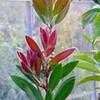
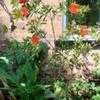
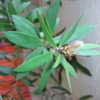
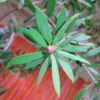
The flower spikes (3-6 inches long) are composed almost entirely of stamens—hundreds of long, slender filaments in brilliant red, crimson, or pink, tipped with yellow anthers. They appear in spring and often repeat in summer/fall. The narrow, lance-shaped leaves are aromatic when crushed (lemony scent), 3-5 inches long, and evergreen. New growth often has a coppery or reddish tint.
| Family: | Myrtaceae (mir-TAY-see-ee) |
| Genus: | Callistemon (kal-lis-STEE-mon) |
| Species: | laevis (LEE-viss) |
Bottlebrush thrives in full sun and well-drained soil, tolerating drought, salt spray, and light frost once established. It's adaptable to various soil types, including alkaline soils. In cooler climates (zones 8-9), it may suffer winter damage but often resprouts. Prune after flowering to maintain shape and encourage bushiness.
The nectar-rich flowers are magnets for hummingbirds, bees, and butterflies. It's used as a specimen, hedge, screen, or container plant. Many cultivars exist: 'Little John' (dwarf, 3 ft), 'Captain Cook' (compact, red), 'Mauve Mist' (pink-lavender), 'White Anzac' (white). The related Weeping Bottlebrush (Callistemon viminalis) has a graceful pendulous habit. All are excellent for water-wise and wildlife gardens.
Hosta plantaginea: The Fragrant Species with Giant White Flowers
Comfortroot (Hibiscus aculeatus)
Hibiscus hamabo: Coastal Species
Carrotwood (Cupaniopsis anacardioides): Invasive Australian Shade Tree in Florida
Plumeria pudica: The Everblooming, Evergreen Frangipani
Durian (Durio zibethinus): The King of Fruits—Love It or Hate It
Washingtonia × filibusta: The Hybrid Fan Palm for Marginal Climates
Mandrinette – Hibiscus boryanus
Furcraea macdougalii: A Giant, Trunk-Forming Relative of Agave
Euphorbia bupleurifolia: A Bizarre, Pineapple-Topped Succulent with a Caudex
Candelilla (Euphorbia antisyphilitica): A Leafless, Wax-Producing Shrub for Extreme Heat
Desert Rose (Adenium arabicum)
Copyright © www.100flowers.win Botanic Garden All Rights Reserved