


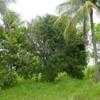
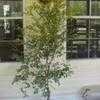
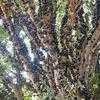
Jaboticaba, the Brazilian Grape Tree, is one of the botanical world's most fascinating curiosities—a tree that bears its grape-like fruits directly on its trunk and main branches. Native to southeastern Brazil, Myrciaria cauliflora (family Myrtaceae) has captivated fruit enthusiasts worldwide with its unique cauliflorous habit and delicious, antioxidant-rich fruits.
Several times a year, often triggered by rainfall, the tree erupts in small white flowers directly on the woody bark of the trunk and large branches. These develop into round, 1-inch diameter fruits with thick, dark purple to black skins and translucent, juicy white pulp surrounding 1-4 seeds. The flavor is sweet-tart, often compared to muscadine grapes or lychee. The thin skin is edible but can be astringent.
| Family: | Myrtaceae (mir-TAY-see-ee) |
| Genus: | Myrciaria (mer-see-AIR-ree-uh) |
| Species: | cauliflora (kaw-lih-FLOR-uh) |
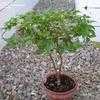
Jaboticaba is slow-growing, typically reaching 15-25 feet in cultivation (taller in its native Atlantic Forest). It prefers acidic, well-drained soil, consistent moisture, and partial shade when young, tolerating more sun with age. It's not frost-hardy (damage below 28°F) but can be container-grown in cooler climates. The bark is ornamental—smooth, mottled gray-brown, peeling in patches.
Fruits are highly perishable, fermenting within days of harvest, which limits commercial distribution. They're eaten fresh, made into jellies, wines, liqueurs, and vinegar. The skins are rich in anthocyanins and other antioxidants. In Brazil, it's a beloved backyard tree. For fruit production, seedlings take 8-15 years; grafted plants fruit in 3-5 years. Multiple plants improve pollination.
Joshua Tree (Yucca brevifolia): Mojave Desert Icon
Tamarind Tree: Tropical Pantry Staple & Majestic Shade Tree
Elephant Tree: The Bizarre, Bottle-Trunked Bursera of Deserts
Silver Tree: The Shimmering Protea of South Africa
Neem Tree (Azadirachta indica): Miracle Tree of the Tropics
Orchid Tree (Bauhinia monandra): Butterfly Leaves and Pink Flowers
Red Dwarf Tree Fern (Blechnum brasiliense): Compact Tree Fern with Red New Growth
Grass Tree (Xanthorrhoea nana): Dwarf Australian Grasstree
Tulip Poplar (Liriodendron tulipifera)
Camphor Tree (Cinnamomum camphora)
Sapphire Dragon Tree (Paulownia kawakamii): A Rare Taiwanese Tree with Violet Flowers
The Cocoa Tree (Theobroma cacao): From Tropical Forest to Chocolate Bar
Chaya (Cnidoscolus chayamansa): Nutritious Tree Spinach of the Maya
Tropical Almond (Terminalia catappa): Coastal Shade Tree with Edible Nuts
Copyright © www.100flowers.win Botanic Garden All Rights Reserved