


Deodar Cedar, or Himalayan Cedar, is the most graceful and pendulous of the true cedars, earning its Sanskrit name "devadāru" meaning "wood of the gods." Native to the western Himalayas from Afghanistan to Nepal, Cedrus deodara has become a prized ornamental worldwide for its soft texture, elegant weeping habit, and adaptability.
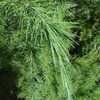
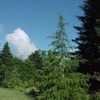
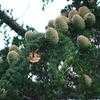
Unlike the stiff, formal habits of Atlas or Lebanon Cedars, Deodar Cedar features gracefully drooping branch tips that give the tree a soft, flowing appearance. The needles are 1-2 inches long, borne in clusters, and range from blue-green to silvery-green. Young trees are broadly pyramidal; with age, they develop a broad, flat-topped crown with wide-spreading horizontal branches. Mature height ranges 40-70 feet in cultivation (over 150 feet in native habitat).
| Family: | Pinaceae (py-NAY-see-ee) |
| Genus: | Cedrus (SEE-drus) |
| Species: | deodara (dee-oh-DAR-uh) |
Deodar Cedar prefers full sun and well-drained soil, tolerating alkaline conditions better than most conifers. It's moderately drought-tolerant once established but benefits from occasional deep watering in dry summers. The tree dislikes wet, poorly drained soils. It's relatively pest-free but can suffer from tip blight in humid conditions.
In the landscape, it serves as a magnificent specimen tree for large properties, parks, and campuses where its sweeping form can be appreciated. Allow ample space—its mature spread can reach 30-40 feet. Cultivars include 'Aurea' (golden new growth), 'Pendula' (strongly weeping), 'Shalimar' (cold-hardy selection), and 'Feelin' Blue' (low, spreading form). It's also used for bonsai.
Lemon Tree: The Classic Citrus for Fruit, Fragrance & Foliage
Chonta Palm (Juania australis): Rare Chilean Palm
European Hornbeam (Carpinus betulus): The Classic Hedge & Shade Tree
Plumeria pudica: The Everblooming, Evergreen Frangipani
Durian (Durio zibethinus): The King of Fruits—Love It or Hate It
Washingtonia × filibusta: The Hybrid Fan Palm for Marginal Climates
Hosta plantaginea: The Fragrant Species with Giant White Flowers
Himalayan Cloud Sage (Salvia nubicola)
Cedar Sage 'Hot Trumpets' (Salvia roemeriana 'Hot Trumpets')
Comfortroot (Hibiscus aculeatus)
Hibiscus hamabo: Coastal Species
'Green Giant' Arborvitae (Thuja 'Green Giant'): The Ultimate Fast-Growing Screen
Eastern Arborvitae (White Cedar): The Classic Northern Evergreen Screen
Copyright © www.100flowers.win Botanic Garden All Rights Reserved