


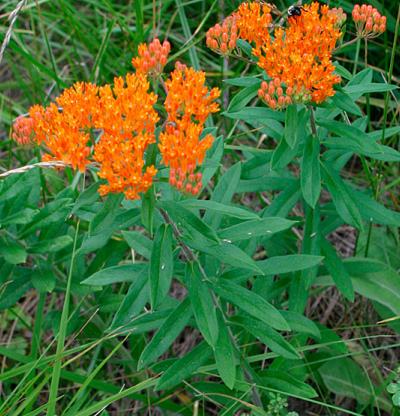
Butterfly weed (Asclepias tuberosa) is a native perennial with flat-topped orange or yellow flower clusters at stem ends or leaf axils. From midsummer to autumn, brightly colored flowers attract insects, followed by fruit and showy seed. Plant in borders, meadows, butterfly gardens, or wildflower gardens.
Sow seeds in cold frame in early spring. Divide plants or take basal cuttings in spring. Aphids and mealybugs when flowering. In southeast, rust and leaf spot common.
| Height | 1–3 ft. |
| Spread | 1–3 ft. |
| Growth Habit | Clumps |
| Light | Full Sun |
| Moisture | Dry to Medium |
| Maintenance | Low |
| Features | Attracts beneficial bugs, butterflies, hummingbirds, songbirds, self-seeds, showy flowers, showy seed heads |
| Bloom Time | Early Fall, Fall, Late Summer, Summer |
| Flower Color | Salmon, Yellow |
| Style | Cottage Garden, Meadow Garden |
| Type | Perennials |
Testing Soil pH for Blueberries and Estimating Yield from a Small Planting
Mothballs in the Garden: Not Labeled, Not Recommended
Choosing the Right Fertilizer: Time-Release vs. Water-Soluble for a Thriving Garden
Can You Plant a Vegetable Garden Over a Septic Leach Field?
Solving Wet Garden Areas: Drainage Solutions and Plant Choices
Tree Suggestions for a 15m Garden Divider: Rounded Canopy, ≤10m Height
Garden Cress: Growth Habits, Reproduction, and Culinary Uses
Organic Slug, Snail, and Centipede Control
Weed-and-Feed Accidentally Applied to Garden: Damage Control
Protecting Gardens from Bird Damage
Ants Destroying Vegetable Roots? Organic Controls That Work
What Can and Cannot Go in a Compost Pile from the Vegetable Garden
Copyright © www.100flowers.win Botanic Garden All Rights Reserved