How to Repot a Root-Bound Houseplant: Step-by-Step Guide
Many houseplants eventually outgrow their pots, becoming root-bound. This stunts growth and increases watering needs. Repotting into a larger container gives roots room to expand and revitalizes the plant. Materials Ne


Creative Ways to Style Air Plants: Living Jewelry and More
1. Living Jewelry Air plants (Tillandsia) are incredibly versatile because they dont need soil. One stunning way to display them is as wearable art—think necklaces, earrings, or bracelets that incorporate living plants.
Bringing New Houseplants Home: Safe Transport and Smart Labeling
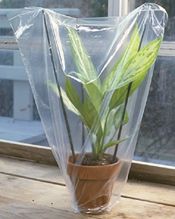
Protect Your Plants During Transport After selecting your new houseplants, proper packaging is essential to prevent damage on the journey home. Reputable growers will often provide suitable containers or wrap plants for
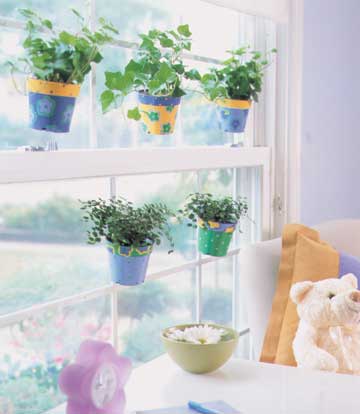
Hints for Healthy Houseplants: Light, Humidity, Grooming & Pest Control
Light: The Foundation Match plants to your light: north = low, east/west = medium, south = high. Judge by shadow: faint = low, distinct = medium, sharp = high. Too little light → decline over time. Too much → compacted,
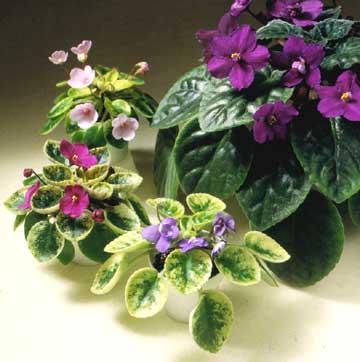
Windowsill Plants: Readers' Favorites
What Gardeners Grow on Their Sills We asked readers to share their winter windowsill lineups. Here are highlights: Gingerly (CA): Hibiscus, Christmas cactus (blooms twice), African violets, geraniums, orchids, lantana
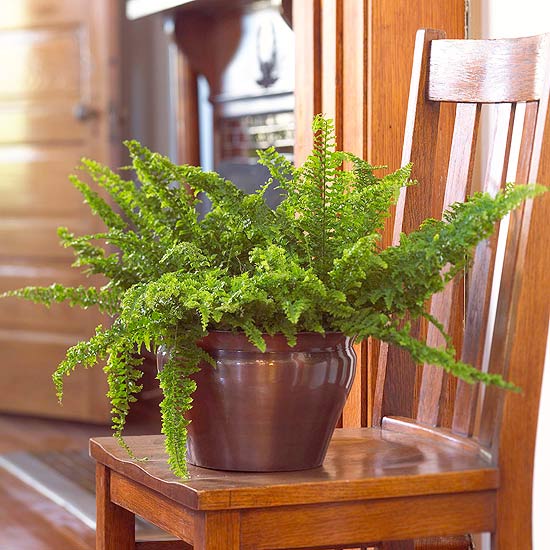
Indoor Fern Basics Ferns need indirect light, consistent moisture, high humidity, and monthly feeding spring‑fall. Light North window ideal. Direct sun burns fronds. Day 65‑75°F, cooler at night. Avoid cold drafts. Mo
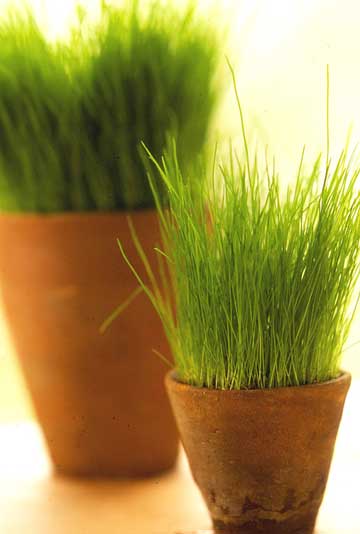
Create a Tabletop Grass Garden
Wheatgrass in an Hour Grow a lush grass patch in any container—terra‑cotta pot, saucer, seed flat. Customize with seasonal accents: ceramic eggs, tiny flowers, mini pumpkins. Swap groundcovers: moss, baby’s tears, creep
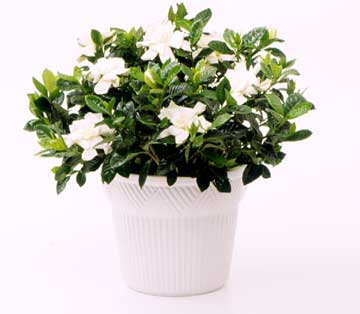
Why Fertilize? Indoors, roots can’t forage. Provide N (foliage), P (roots), K (blooms) via organic or synthetic fertilizers. Label shows percentages (e.g., 10‑10‑10 = 10% each). Special Formulas Acid‑loving plants (aza
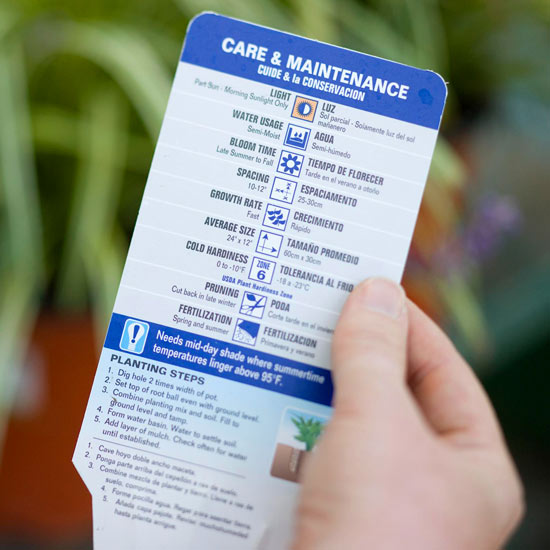
Decode the Tag Before You Buy Growers pack key info into symbols and pictures on the small plastic tag. Taking time to read it sets you up for success. Front of Tag Common & scientific names. Mature plant photo (f
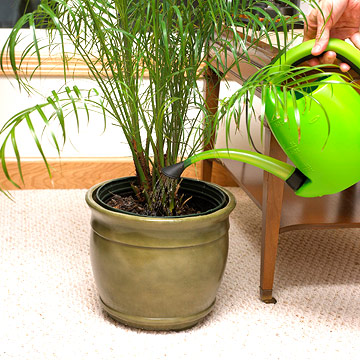
Fixing Brown Leaf Tips on Houseplants
Tip Burn = Low Humidity Most indoor plants come from tropical zones (60‑90% humidity). Heated homes in winter often drop below 15%. The fix: raise humidity around the plant. Effective Solutions Humidifier: Most reliab
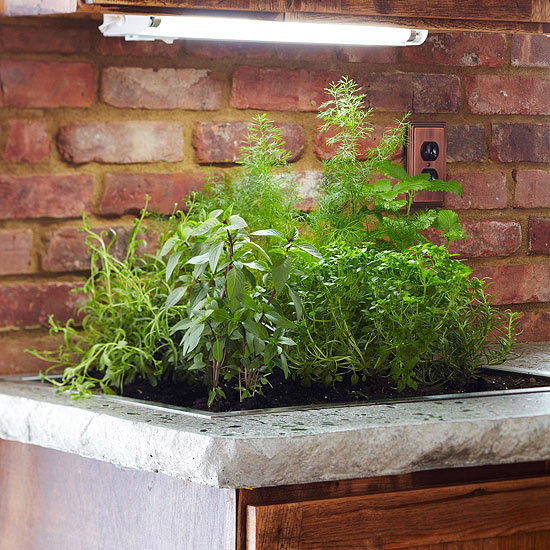
Understanding Plant Light: Color, Intensity & Duration
Why Add Plant Lights? Most indoor plants originate in full sun. Homes are dimmer; household bulbs lack sufficient intensity. Supplemental lights ensure success. Three Light Characteristics 1. Color (Spectrum) Sun emits
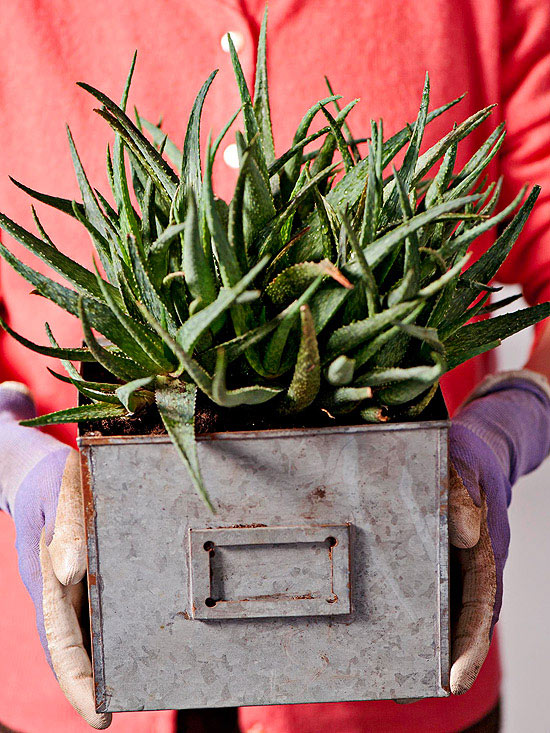
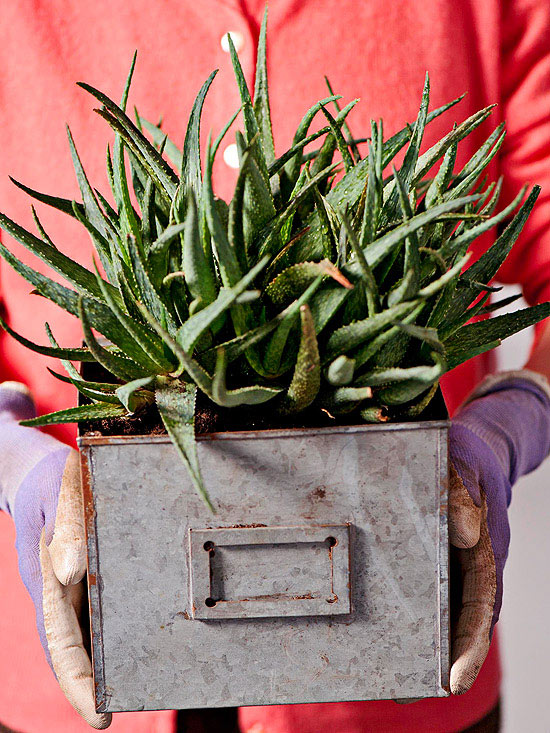
How to Repot a Root‑Bound Plant
When & Why Root‑bound plants stunt and need more water. Repot into a larger container to let roots expand. Materials New pot (at least 1″ wider) Potting soil Drill with metal bit (for drainage holes) Watering can
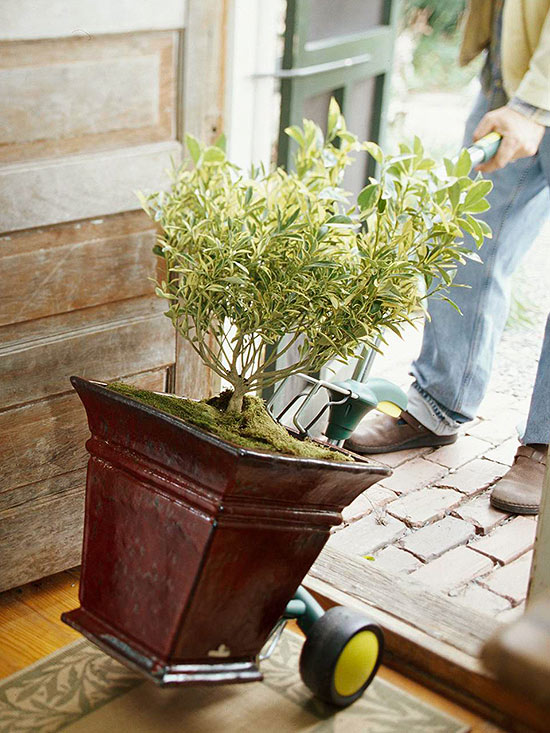
Moving Outdoor Plants Indoors for Winter
Pick the Right Spot Most container annuals and tropicals can live inside until spring. They need bright light (used to full sun) and extra humidity—indoor air is dry. Cool temps (60s day, 10° lower night) are ideal but
Ideal Temperatures for Houseplants
General Guidelines Most houseplants thrive in average home temps. For best growth, lower thermostat 10°F at night—mimics nature. Cool‑loving plants: 60‑70°F day, lower at night. Many winter‑dormant plants prefer cool.
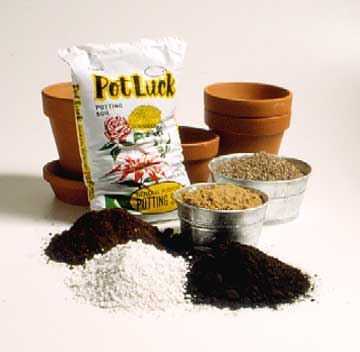
Potting Mix Ingredients & How to Make Your Own
What Makes a Good Mix? Ideal mix: firm enough to anchor roots, loose for quick root growth, drains well, allows air flow, retains moisture without sogginess. Traditional soilless mixes use peat moss (moisture), perlite,
Complete Houseplant Care Guide
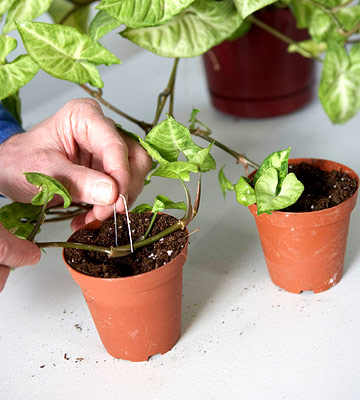
Propagation Spider plants and strawberry begonias send runners; root plantlets. Bromeliads produce offsets at base—divide and pot. Climbers (philodendron, pothos) root where stems touch soil. Or use cuttings/air layerin
Why Houseplant Leaves Turn Yellow
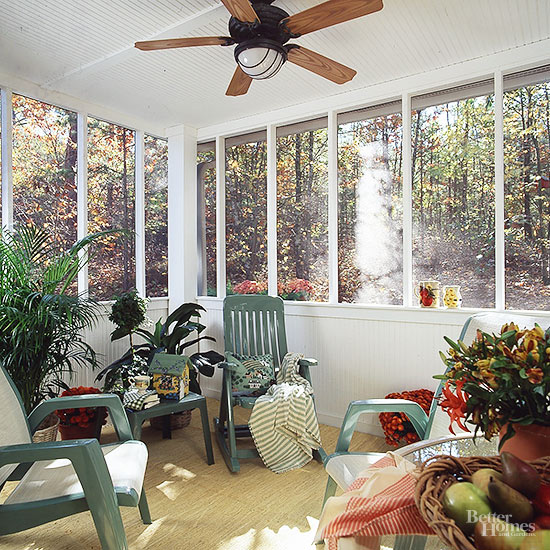
Top 5 Reasons Low light Underwatering Overwatering Insect damage Natural aging (a few leaves) What to Do If only a few leaves yellow, it’s likely normal. If many, inspect for pests, adjust watering, and move to brigh
Why Dracaena marginata Loses Leaves
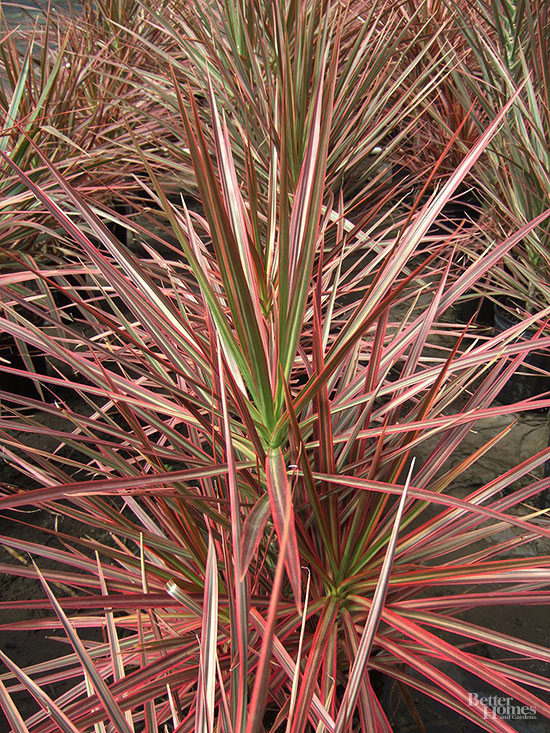
Common Causes Light reduction: Greenhouse‑grown plants shed lower leaves adjusting to lower home light. Cold shock: Tropicals react badly to cold drafts or transport chill. Wrap well, preheat car, go straight home. Ove
Repotting Lucky Bamboo (Dracaena sanderiana)
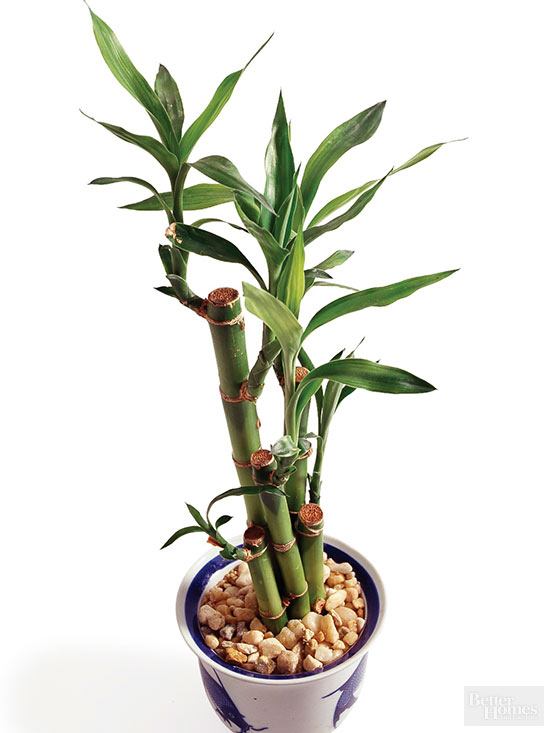
Moving from Water to Soil Lucky bamboo isn’t bamboo—it’s a Dracaena. You can pot it in standard soil. Keep soil slightly moist for the first 1‑2 weeks while roots adapt from water/gel. After new roots appear, cut back w
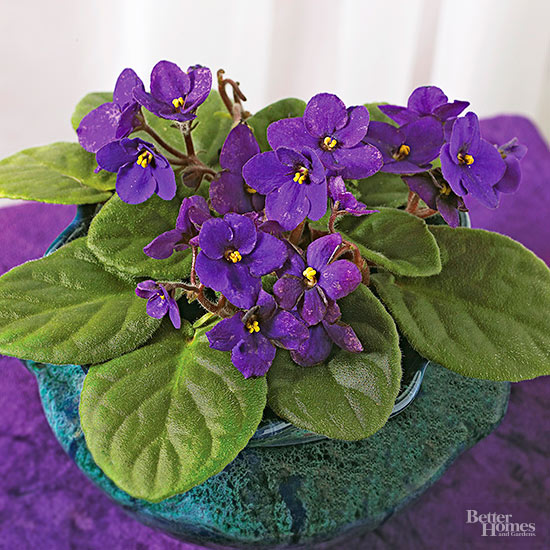
African Violet Leaves Turning White? Here’s Why
Common Causes & Fixes Too much light: Move to sides of light table or lower light intensity. Adjust fixtures farther away. Compacted soil: Repot in same‑size pot, removing old soil, replacing with fresh mix. High r
Copyright © www.100flowers.win Botanic Garden All Rights Reserved