
How to Propagate Snake Plants: Water, Cuttings & Division
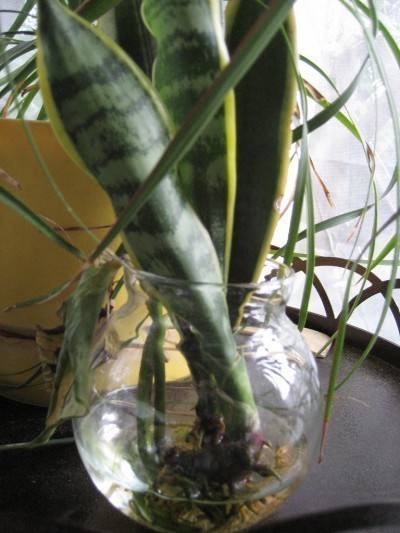
Three Easy Methods 1. Water Rooting (Most Foolproof) Cut a healthy leaf near the base with clean shears. Place cut end in water (cover bottom ¼). Change water every 2 days. Keep in indirect light. When roots appear, p

Is Snake Plant Invasive? How to Remove Sansevieria hyacinthoides
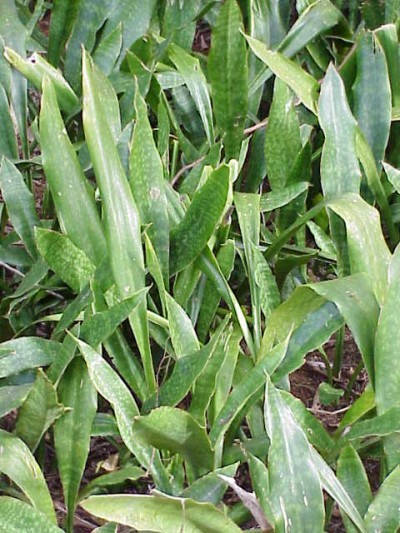
Invasive Potential Most Sansevieria species (like common S. trifasciata) are well-behaved houseplants. However, Sansevieria hyacinthoides has escaped cultivation in South Florida (zone 10+), choking out native plants si
Droopy Snake Plant? Fix Overwatering, Light & Root Issues
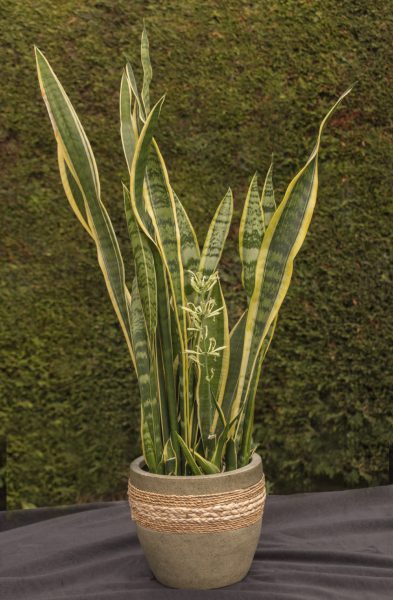
Why Snake Plant Leaves Droop 1. Overwatering (Most Common) Snake plants are succulents—roots rot in soggy soil. Water only when top 2–3 inches are dry. Use cactus mix with perlite. Ensure pot has drainage. Winter: wate
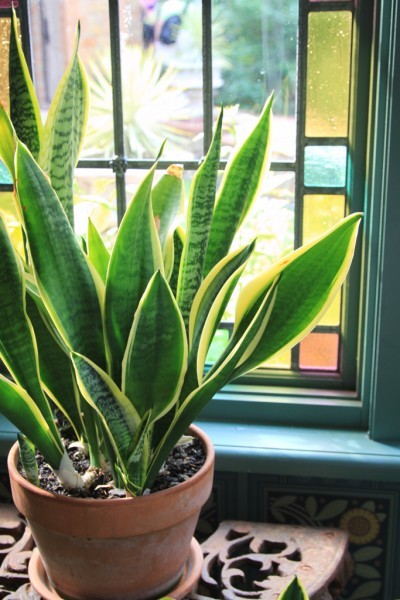
Snake Plant Care: The Ultimate Low-Maintenance Houseplant
Why Snake Plants Are Nearly Indestructible Snake plant (Sansevieria) tolerates neglect, low light, drought, and purifies air (NASA-confirmed). Perfect for beginners. Growing & Propagation Use fast-draining soil (cactus
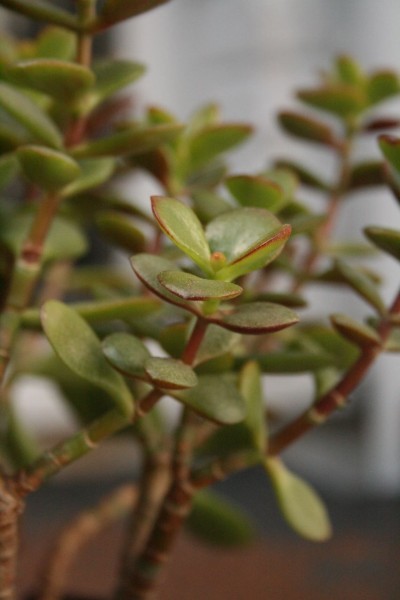
Pruning Jade Plants: When, How & Why to Trim for Shape
Jade plants rarely need pruning for health, but occasional trimming keeps overgrown specimens shapely and manageable. Since every cut risks infection, prune only when necessary—typically on older, leggy plants—and never
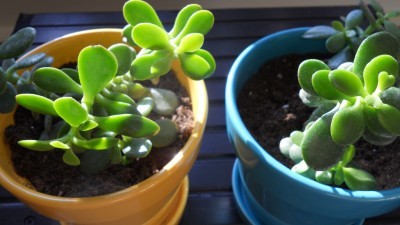
Propagating Jade Plants: Rooting Stem Cuttings & Leaves Successfully
Jade plants are incredibly easy to multiply. Whether you have a stem cutting or just a single leaf, you can grow new plants with minimal effort. Heres how to do both methods. Rooting Stem Cuttings Select & cut: Choose
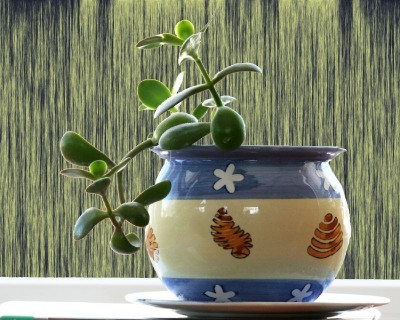
Why Is My Jade Plant Drooping? Fixing Limp Leaves & Watering Mistakes
A jade plants tree-like form is part of its appeal, but limp, drooping leaves signal a watering problem. The fix? Understanding the plants seasonal needs. The Culprit: Improper Watering Spring through fall: Keep soil li

White Spots on Jade Leaves: Powdery Mildew, Salt Buildup & Pests
White spots on jade plants are common but usually harmless. They typically stem from three sources: powdery mildew, mineral salt deposits, or occasional pests. Heres how to tell them apart and what to do. Powdery Mildew
Black Spots on Jade Plants: Causes, Diagnosis, and Treatment
Jade plants are popular succulents, but black spots on their leaves signal trouble. Causes range from watering mistakes and poor drainage to pests, fungal diseases, and viruses. Identifying the root cause is essential fo
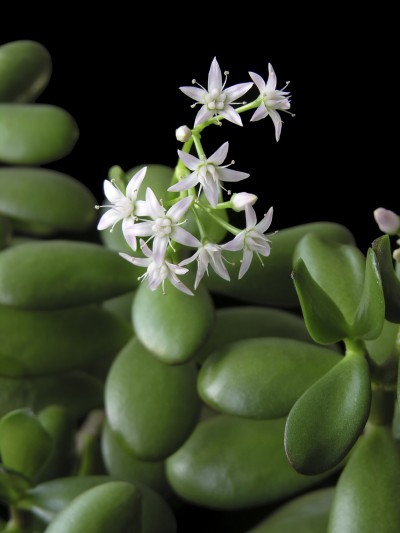
How to Make a Jade Plant Bloom: Mimicking Nature for Flowers
Jade plants are prized for their fleshy, glossy leaves, but coaxing them to flower is a rewarding challenge. Mature jades (Crassula ovata and C. argentea) produce delicate, star-shaped white-to-pink blossoms in late win
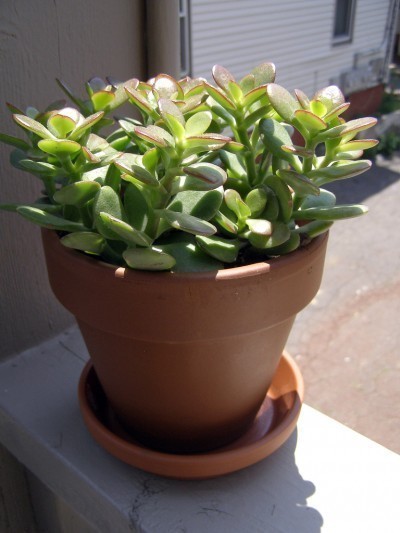
Jade Plant Care Guide: Water, Light, Temperature & Fertilizer
Jade plants (Crassula ovata) are beloved succulents symbolizing good fortune, and their care is refreshingly straightforward. With attention to four key factors—water, light, temperature, and fertilizer—your jade can th
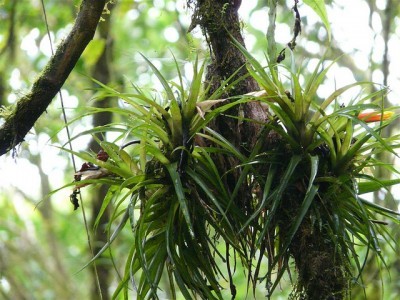
What Are Epiphytes? Types, Adaptations & Care
Epiphyte Definition & Adaptations Epi (upon) + phyton (plant). Grow on vertical surfaces, capture water/nutrients from air, rain, debris—not soil. Not parasites. Found in tropical/cloud forests, even deserts (fog moistu
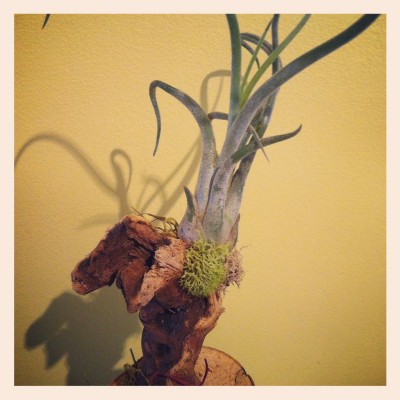
Mounting Epiphytic Plants: Materials & Techniques
Epiphytic Plant Basics Epiphytes grow on vertical surfaces (trees, rocks) without parasitism. 22,000+ species. Mounting displays them naturally, aids care. Common mounts: bark, wood, cork—porous, chemical/salt-free. Mou
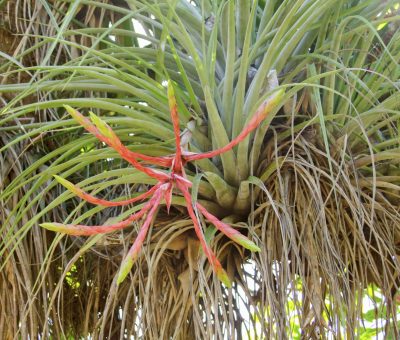
Tillandsia Varieties: 450+ Air Plant Types
Air Plant Diversity Tillandsia is the largest bromeliad genus—450+ species, countless hybrids, no two alike. Epiphytes: anchor to trees/rocks, absorb nutrients from air, rain, debris. Not parasitic. Range: 15 feet. Leav
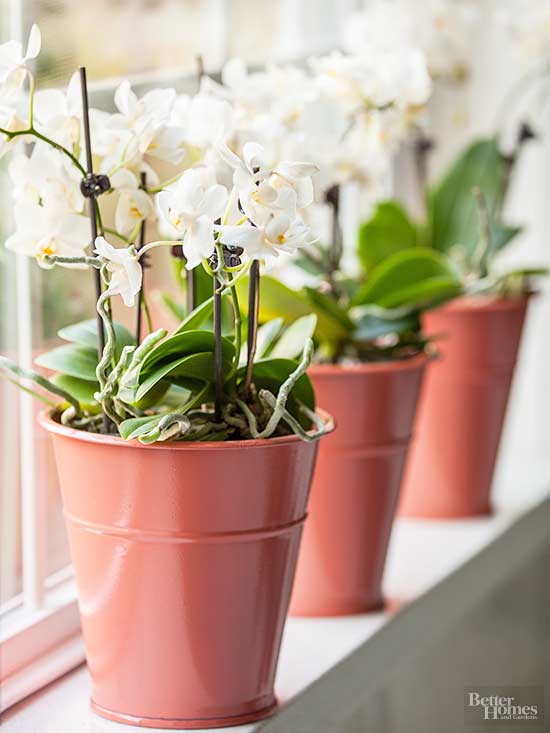
How to Water Orchids for Spectacular Blooms
Watering Orchids Grown in Bark The goal is to saturate the bark, not the roots. Use room-temperature water only. Avoid letting water collect where leaves meet the stem—this causes rot. Best method: Place the pot in a bo
Essential Houseplant Care: Dusting, Shaping, Watering, and Light
Dusting Leaves for Healthier Plants Smooth-leaved plants: Rinse in sink or shower with lukewarm water. Bag the pot base to contain soil. Let drip dry. Large leaves: Support leaf with one hand, wipe gently with a damp c
Growing Plants in Low Light: Best Shade-Tolerant Houseplants
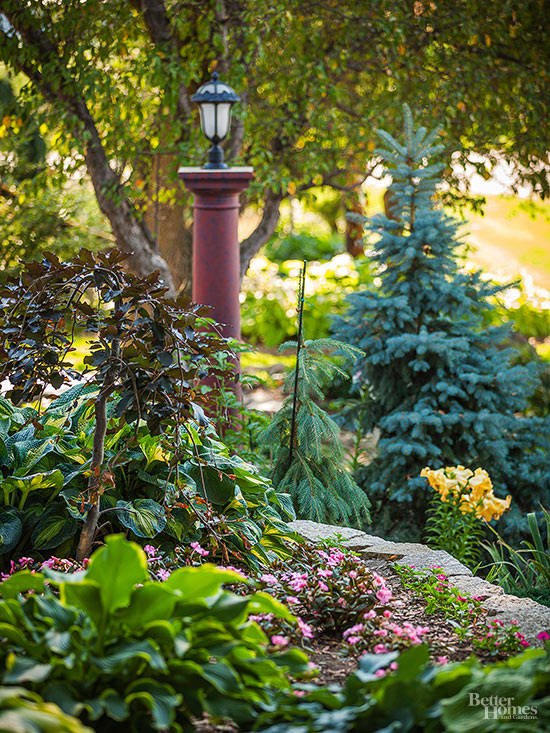
All plants need some light. If natural light is too low, they become leggy and weak. Supplemental grow lights help, but the easiest solution is choosing plants adapted to low light. Top picks include snake plant (Sansev
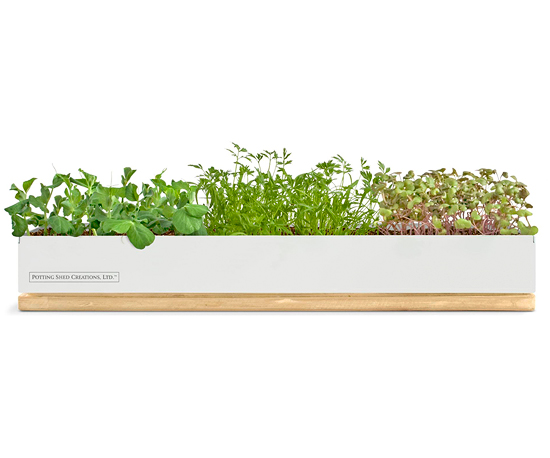
Creating an Indoor Garden: Tips from an Urban Farmer
Amy Pennington, author of Apartment Gardening and urban farmer, treats her indoor garden as a dynamic, productive space. In cool months, she grows sprouts for soups, keeps scented geraniums and lemon verbena, and brings
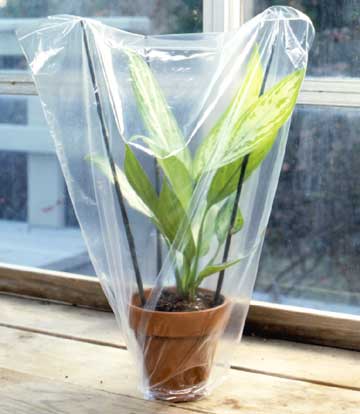
Vacation Care for Houseplants: Keep Them Alive While You're Away
Heading out for a long weekend? Prep your plants with these steps: Soak them thoroughly a day before departure. Drain excess water from saucers. Group plants on pebble trays or double-pot them to raise humidity. Remove
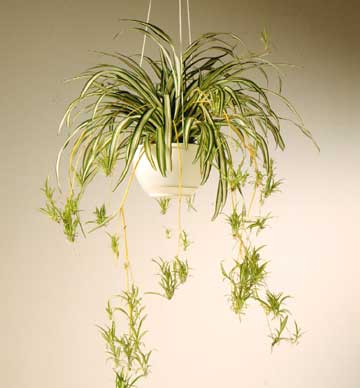
Choosing the Right Houseplants for Your Home
The Secret to Successful Houseplant Selection Foliage plants form the backbone of most indoor collections, offering year-round greenery, varied textures, and shapes from massive to miniature. You can find plants suited
Copyright © www.100flowers.win Botanic Garden All Rights Reserved