


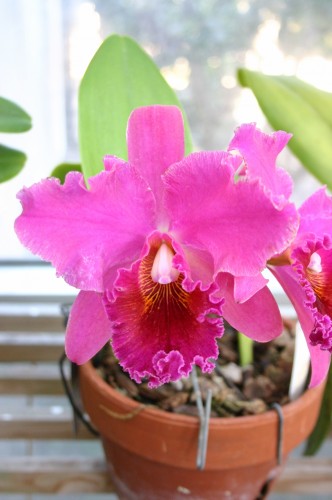
Orchids have a reputation for being fussy, but they're actually quite adaptable—if you respect their unique needs. The key is understanding they're not typical houseplants; they're epiphytes evolved to cling to tree branches in tropical forests. Here's a straightforward guide to success with the two most beginner-friendly types: Phalaenopsis (moth orchid) and Cattleya.
Many orchids demand cool nights (60s°F) to bloom—impractical for most homes. Phalaenopsis and Cattleya thrive in normal indoor temperatures (65–80°F day, 60–65°F night), making them ideal starter plants.
In nature, orchids grow in dappled canopy light. A large south-facing window with a sheer curtain is perfect. North windows are too dim. Alternatively, hang four 48-inch fluorescent tubes 6 inches above plants on a 14-hour timer for consistent results anywhere.
Orchid roots need rapid drainage and air. Pot in coarse bark or sphagnum mix. Water only when the medium is dry ½ inch down—stick a pencil in to check. If in doubt, err on the dry side. One clever trick: place an ice cube on the bark weekly; slow melt mimics natural rainfall.
Use any balanced houseplant fertilizer at ¼–½ strength every watering, or full strength monthly. Mix a gallon at the right dilution, label it, and use it each time you water—convenient and consistent.
Crown Rot in Moth Orchids from Water Trapping
Lighting for Orchids: The Key to Blooms Without Burn
Orchid Care Secrets: Grow Stunning Blooms at Home
Orchid Care Basics: Light, Water, Fertilizer, and Bloom Encouragement
Essential Orchid Care: Temperature, Light, and Repotting
How to Take Care of Orchids: A Beginner's Roadmap to Thriving Plants
Orchids Not Reblooming: Annual Cycle & Rest Period
Post-Bloom Orchid Care: Repot, Spike Management, Root Check
Can You Root Cut Orchid Flowers? No—But Here's What to Do Instead
First Orchid for an 11-Year-Old: Phalaenopsis, Books, and Cold Transport
Supermarket Orchid Heat Damage: Dendrobium vs. Phalaenopsis Recovery
Reviving Two Mysterious Dead Orchids: Basic Care and Future Selection
Copyright © www.100flowers.win Botanic Garden All Rights Reserved