

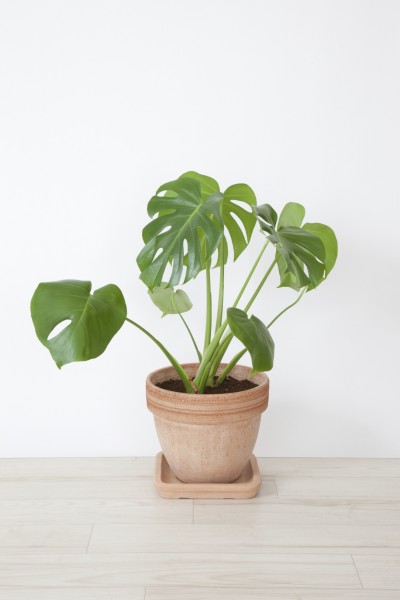
Repotting Monstera: When, How & Post-Care
When to Repot Young plants: yearly to encourage growth. Mature: refresh top soil annually; full repot every few years even if rootbound. Best time: early spring before new leaves. How to Repot Rich, moisture-retenti


Making & Using a Moss Pole for Monstera Support
DIY Moss Pole Sturdy stake slightly taller than plant. Wrap fine mesh wire around stake, staple. Pack soaked sphagnum moss into mesh. Optional: mesh tube without stake, but stake adds stability for heavy stems. Train
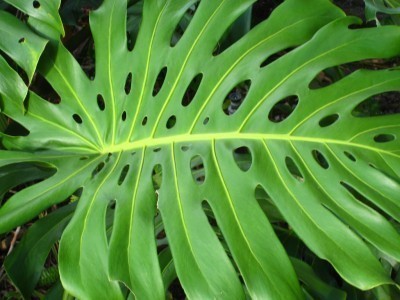
Swiss Cheese Plant (Monstera) Care: Light, Water, Support & Propagation
Monstera Basics Tropical vine with iconic perforated leaves. Needs warmth, humidity, bright indirect light, well-draining soil. Not frost-hardy. Grows best on a moss pole or trellis. Repotting & Support Repot up one s
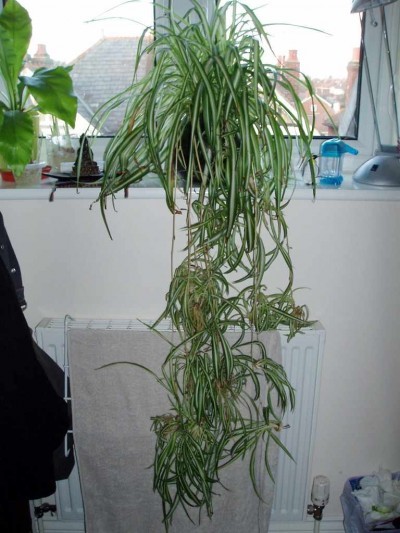
Pruning Spider Plants: When & How to Trim for Health
Why Prune? Keeps size manageable (can reach 2.5–3 ft), rejuvenates health, reduces energy drain from excessive babies. When Spring or summer. How Use sharp, clean pruners. Cut foliage at base. Remove discolored, dise
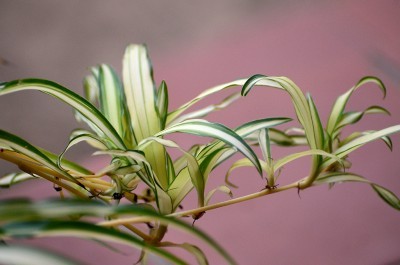
Sticky Spider Plant Leaves? Treat Scale, Aphids & Mealybugs
Sticky Residue = Honeydew Sticky leaves signal sap-sucking pests: scale (brown bumps or white cottony mealybugs), aphids, or spider mites. They excrete honeydew. Treatment Alcohol swabs: Dab pests weekly—tedious but e

Cats & Spider Plants: Why Cats Eat Them & Safety Tips
Why Cats Love Spider Plants Not the scent. Cats are drawn to dangling spiderettes (play) and—key factor—the plant contains compounds related to opium that produce a mild hallucinogenic effect, similar to catnip. Toxici
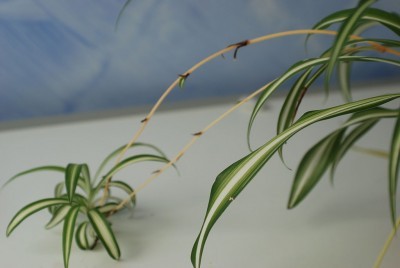
How to Root Spider Plant Babies (Spiderettes) in Soil or Water
Two Easy Methods Soil (Best & Fastest) Identify spiderettes with small roots/nubs. Plant in lightweight mix with drainage. Keep attached to mother until rooted, or sever immediately (better for hanging plants). Water
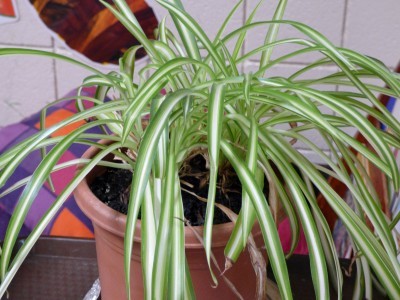
Why Your Spider Plant Isn't Making Babies (Spiderettes)
Age Matters Spider plants need maturity to produce offsets—like mammals, they must reach reproductive age. A newly potted offset is a baby itself. Can take years even in ideal conditions. Patience. Cultural Triggers fo
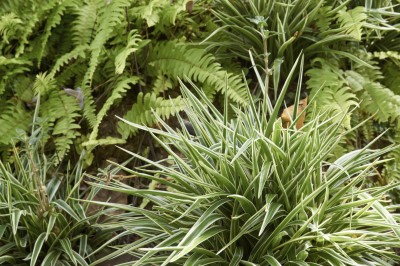
Growing Spider Plants Outdoors: Zones, Care & Propagation
Outdoor Growing Zones Perennial in zones 9–11. Annual in cooler zones—plant after frost danger passes. Cannot tolerate frost. Site & Soil Light: Filtered sun / part shade. Avoid afternoon sun (sunburn). Soil: Well-dra
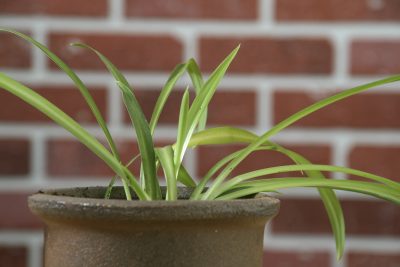
Spider Plant Losing Variegation? Light, Nutrients & Reversion
Why Variegation Fades Too Much Sun White leaf sections lack chlorophyll. Excess light bleaches green areas. Move to bright indirect light—avoid direct afternoon sun. Iron Deficiency Try higher-nitrogen fertilizer (e.g
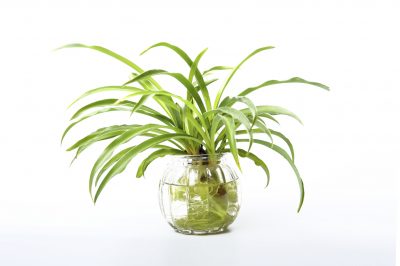
Growing Spider Plants in Water: Rooting vs. Long-Term
Water Rooting: Yes. Long-Term Water Culture: Not Ideal. Spiderettes root easily in water (demineralized or tap water left 24 hrs). Change water frequently. Once roots are robust, transplant to soil for sustained growth.
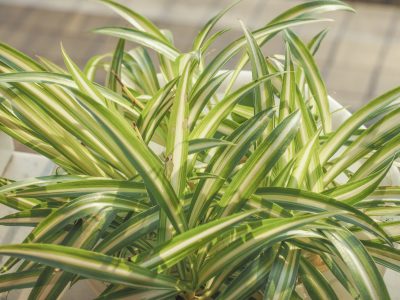
Fertilizing Spider Plants: How Much & How Often
Do Spider Plants Need Fertilizer? They thrive in less-than-ideal conditions but benefit from light feeding. Over-fertilizing causes brown tips (like fluoridated water). Best Practices Type: Any balanced, water-soluble
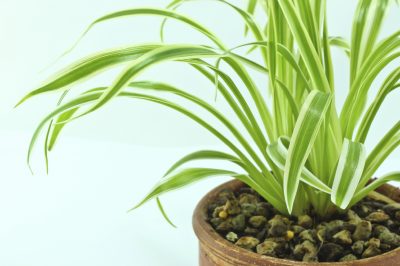
Fungus Gnats on Spider Plants: Identification & Control
Fungus Gnat Basics Adults are nuisances; larvae in soil can damage roots, especially on young plants. Life cycle: eggs hatch in 4 days, larvae feed 2 weeks, pupate 3–4 days. Control Strategies Isolate infested plants.
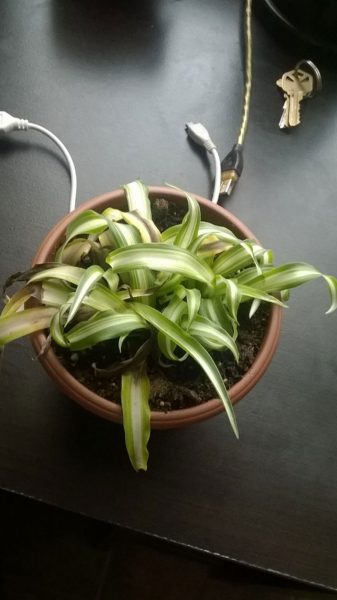
Wilting Spider Plant? Fix Water, Light, Fertilizer & Pot Size
Why Spider Plants Wilt Water Issues Underwatering (summer): Soil shouldnt dry out completely. Overwatering: Soggy soil causes wilting + yellowing. Let top inch dry between waterings. Winter: water lightly, less often.
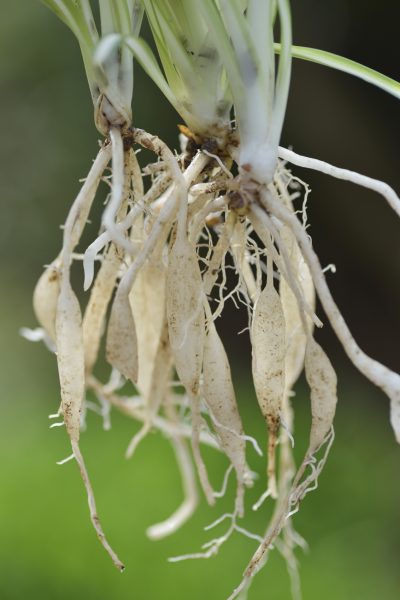
Spider Plant Swollen Roots: Tubers, Stolons & Edibility
Understanding Spider Plant Roots Spider plants grow from thick, white tubers (rhizomes) that store water and produce shoots. Visible tubers at soil surface are normal. If many are exposed, top-dress with soil or repot.
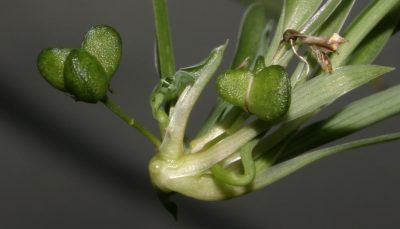
Growing Spider Plants from Seed: Pollination to Seedlings
Seed Production Spider plants produce seeds after pollination. Hand-pollinate with a cotton swab or place outdoors for insects. Green pods form after flowers fade. Let pods dry on stalk—they split and drop seeds. Collec
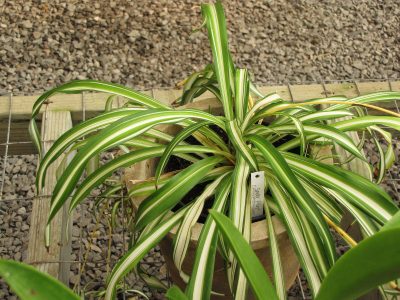
Yellow Spider Plant Leaves? Causes & Cures
Diagnosing Yellow Leaves Environmental Causes Salt buildup: From fertilizer or tap water. Leach soil annually; use rain/distilled water. Light extremes: Too much sun burns; too little weakens. Bright indirect is best.
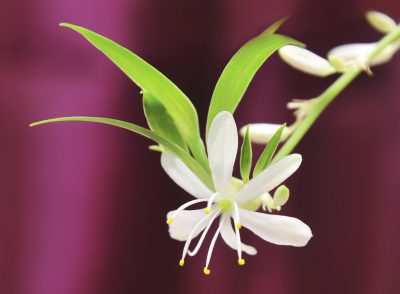
Spider Plant Flowers: When & Why They Bloom
Do Spider Plants Flower? Yes—small white flowers on long stems. Often short-lived and unnoticed. Mature, slightly potbound plants bloom most reliably. Encouraging Flowers & Babies Light: Bright indirect; seasonal chan
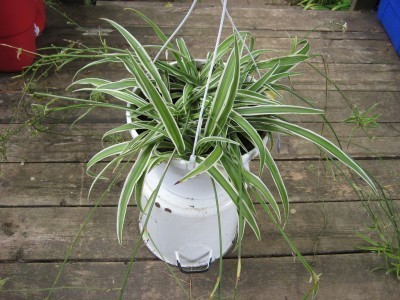
Spider Plant Care: Light, Water, Propagation & Brown Tips
Easy Care for Chlorophytum comosum Spider plants are adaptable, great for beginners. They produce spiderettes (babies) on arching stems. Core Requirements Light: Bright indirect. Tolerates low light but grows slower.
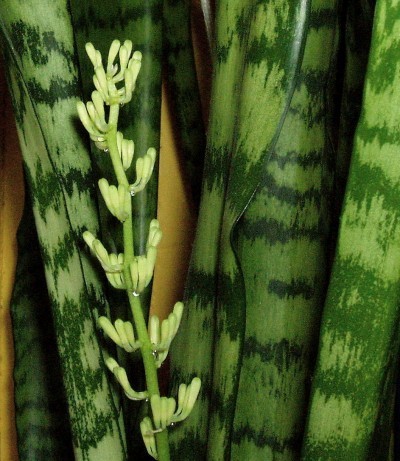
Snake Plant Flowers: Rare but Real—Why They Bloom
Do Snake Plants Flower? Yes, but rarely—often after decades. A 3-foot stalk emerges with dozens of white/cream lily-like flowers that have a strong, sweet scent (can attract pests). What Triggers Blooming? Mild, chroni
Copyright © www.100flowers.win Botanic Garden All Rights Reserved