


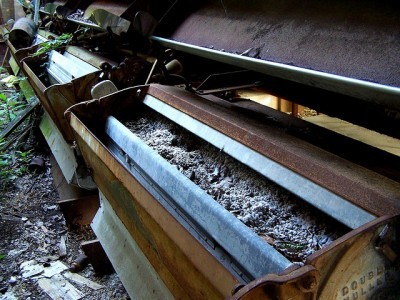
Cotton processing leaves chaff, seeds, and plant debris—useless to industry but valuable as compost. Cotton gins separate the cash crop from this "gin trash," which can yield high nitrogen and trace phosphorus and potassium when composted. Modern machinery can compost it in three days; simpler methods work too.
Per ton, gin trash compost yields up to 2.85% nitrogen (43.66 lbs/ton), 0.2% potassium (3.94 lbs/ton), and 0.56% phosphorus (11.24 lbs/ton). Nitrogen is especially valuable as a primary plant growth nutrient. Once fully composted, gin trash becomes a valuable soil amendment when mixed with other composted materials.
Commercial farmers use industrial composters with high heat and frequent turning, finishing in days, then windrow for a year. Home gardeners can replicate this: pile material in a long, wide, several-feet-deep heap in a sunny spot. Add water for ~60% moisture. Fork through to distribute moisture evenly. Turn weekly to prevent odor and kill weed seeds.
Monitor temperature with a soil thermometer. When temperature 2 inches deep drops to 80°F (26°C), turn the pile. For late-season composting, cover with black plastic to retain heat. At 100°F+ (37°C+), most weed seeds die (except pigweed, common in central U.S.). After breakdown, spread in thin layers for several months to reduce odor and finish curing.
Gin trash compost is light and doesn't spread well alone—mix with soil, manure, or other compost. Once blended, it's useful in gardens, containers, and ornamental beds.
If you can't verify the cotton source, avoid using on edibles—powerful chemicals may remain. Otherwise, use as any soil amendment.
Why Learn to Compost? Waste Less, Grow More
Start Composting at Home: The Beginner's Guide to Heap Composting
Indoor Composting: Worm Bins & Small Bioreactors for Any Home
Composting Basics: How It Works and How to Start Your Own Pile
Kitchen Composting 101: Turn Food Scraps into Garden Gold
Winter Composting: Keeping Your Pile Active Through Cold Months
Kitchen Composting: Simple Methods for Recycling Food Scraps
Composting Basics: Building and Maintaining a Pile
Composting Corn Cobs, Husks, and Stalks: Turn Harvest Waste into Garden Gold
Composting for Beginners: Simple Steps to Start a Compost Pile
Indoor Composting: How to Compost in Your Home or Apartment
Composting Basics: How Composting Works and Why It Benefits Your Garden
Composting Corn Cobs, Husks, and Stalks: Complete Guide
Composting Cotton Gin Trash: Turning Agricultural Waste into Garden Nutrients
Copyright © www.100flowers.win Botanic Garden All Rights Reserved