


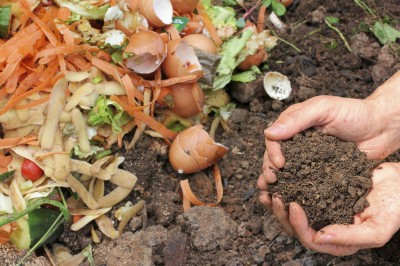
New to composting? Wondering how to start a compost pile for your garden? This beginner-friendly guide breaks down the simplest, most affordable method: heap composting.
Five main approaches exist: holding units, turning units, compost heaps, soil incorporation, and vermicomposting (worm bins). This guide focuses on heap composting—no structures required, minimal cost, perfect for beginners.
Heap composting doesn't require bins, though you can use one. Piles may look less tidy than bins, but they're equally effective. Camouflage with tall flowers or fencing if desired.
Start any time, but fall is ideal—both nitrogen-rich (green) and carbon-rich (brown) materials are abundant.
Location: Choose an open, level, well-drained spot. Avoid standing water. Partial sun/shade is best—full sun dries piles; deep shade keeps them too wet. Ensure easy access. Keep away from dogs and other meat-eating animals.
Size: 3-5 feet high and wide. Smaller piles won't heat efficiently; larger ones retain excess water and become difficult to turn. Start on bare soil (not concrete/asphalt) for microbial access and aeration. A pallet base is fine.
Keep OUT of your pile: Meat, dairy, fats/oils; carnivore pet waste (dog, cat); diseased plants or seeded weeds; human waste; charcoal/coal ash (wood ash is fine).
The layering method: Alternate greens (nitrogen) and browns (carbon) like lasagna layers.
Maintain moisture like a wrung-out sponge—damp, not soggy. Rain and green materials provide most moisture; supplement during dry periods. If too wet, turn more frequently or add browns.
Turn the pile regularly—this mixes materials, introduces oxygen, and accelerates decomposition. With these simple steps, you'll soon create ideal garden compost.
Composting 101: Ventilation, Temperature, Moisture, and Mix for Fast Decomposition
Composting Mastery: Pro Tips for Nutrient-Rich Black Gold
Composting for Your Organic Home Garden: Nature's Fertilizer
How to Make Mushroom Compost: Complete Recipe and Curing Process
Build Your Own Worm Composting Bin: Indoor Vermiculture Step-by-Step
Home Composting: Turn Kitchen Scraps into Black Gold
Composting Mastery: Turning Waste into Garden Gold
Start a Backyard Compost Pile: Turn Waste into Garden Gold
Winter Composting: Keep Your Pile Active Through the Cold
Composting Pine Needles: Myths, Tips, and the 10% Rule
Winter Composting: Keeping Your Pile Active Through Cold Months
Copyright © www.100flowers.win Botanic Garden All Rights Reserved