


Regardless of your starting soil, compost transforms it into a healthy growing medium. Work it in by hand or tiller, use as top dressing, or apply as mulch.
Compost = organic materials breaking down in soil, enriching structure and adding nutrients. Mirror nature: forests accumulate leaves, wood, etc. Microbes and worms slowly decompose them into humus—dark, crumbly, fertile soil essential for healthy plants.
Garden composting replicates this. Finished compost resembles humus: dark, crumbly, soil-like.
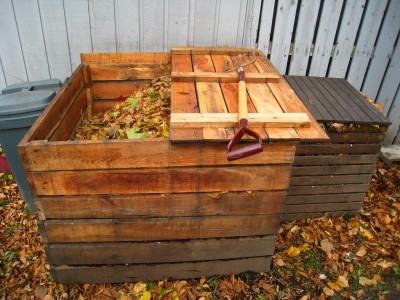
Most methods share principles. Passive composting (small piles in bins/enclosures) is common. Typical size: 5-7 ft around, 3-4 ft high. Smaller gardens: 3×3 ft works well. Systems are easily tailored.
Ingredients: Leaves, garden plants, newspaper, straw, grass clippings, manure, kitchen scraps (vegetable/fruit peels, eggshells, coffee grounds). Never add: Meat, fat, bones.
Alternate green (nitrogen: grass, kitchen scraps) and brown (carbon: leaves, newspaper, small woody material) layers. Keep moist, not soggy. Turn frequently with fork for aeration and speed.
Decomposition timeline: weeks to a year, depending on materials and pile size.
How Mulch Works: Benefits, Types, and Application Tips
How Clone Machines Work: Aeroponic Propagation for Perfect Plant Copies
Patio Drainage Systems: Protecting Your Outdoor Investment
Composting with Hay Bales: Build a Bin That Becomes Compost Itself
Composting Cotton Gin Trash: Nutrient Value & Methods for Farmers & Gardeners
Composting for Beginners: Simple Steps to Start a Compost Pile
How a Greenhouse Works: Climate Control for Plant Growth
How Ultrasonic Foggers Work: Principles, Uses & Hydroponics Applications
Lasagna Composting: Sheet Mulch Your Way to Rich Soil
Lasagna Composting: Sheet Mulching for Soil Building and Sod Removal
Composting Basics: How Composting Works and Why It Benefits Your Garden
Composting with Hay: Building Bins and Testing for Herbicide Contamination
Composting Cotton Gin Trash: Turning Agricultural Waste into Garden Nutrients
Copyright © www.100flowers.win Botanic Garden All Rights Reserved