


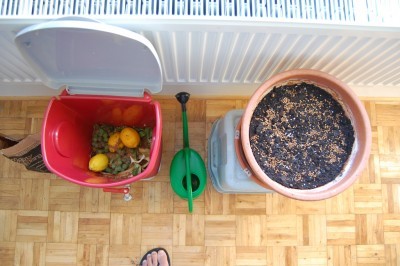
No yard? No problem. Indoor composting works in apartments, condos, any home. Two main systems:
Red wigglers + microbes break down scraps. Cool process (no heat). Ideal for apartments. Castings = premium fertilizer for houseplants. Kids love it—common in schools. Bins and worms available online/garden centers.
Aerobic, heat-producing. Finished compost in 2–3 months. Drill air holes, ensure drainage, insulate for heat retention. Needs moisture, airflow, and proper C:N balance.
Yes: Fruit/veg scraps, coffee grounds, tea bags, eggshells (rinsed), houseplant trimmings.
No: Meat, bones, dairy, oils, fats—smells and attracts rodents.
Chop pieces uniformly (~1 inch) for even breakdown. Turn occasionally to aerate and prevent odor.
Diverts waste from landfill. Creates fertility for indoor/outdoor plants. One orange rind at a time, you're closing the loop.
Home Composting: Turn Kitchen Scraps into Black Gold
Composting at Home: Turn Kitchen Scraps into Garden Gold
The Ultimate Composting Guide for Beginners: From Basics to Advanced
Composting Pine Needles: Myths, Tips, and the 10% Rule
Winter Composting: Keeping Your Pile Active Through Cold Months
How to Compost Pine Needles: A Complete Guide for Gardeners
How to Prepare Garden Soil: Tilling, Amendments, and Seasonal Nutrition
How to Make Compost for Your Garden: A Beginner's Guide
Composting Basics: How It Works and How to Start Your Own Pile
Composting with Hay Bales: Build a Bin That Becomes Compost Itself
Composting Cotton Gin Trash: Nutrient Value & Methods for Farmers & Gardeners
The Ultimate Beginner's Guide to Composting: From Basics to Advanced Techniques
Composting Basics: How Composting Works and Why It Benefits Your Garden
Composting with Hay: Building Bins and Testing for Herbicide Contamination
Copyright © www.100flowers.win Botanic Garden All Rights Reserved