


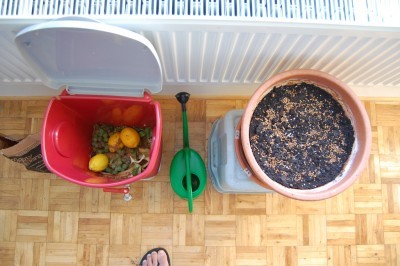
Most people picture outdoor bins for composting, but indoor composting is entirely feasible—anyone, almost anywhere, can do it. It's an environmentally sound way to recycle food waste while avoiding landfill contributions.
Indoor systems (bioreactors) are smaller than outdoor bins and must be designed for aerobic heat production in confined spaces. They need adequate moisture, heat retention, and airflow.
Two beginner-friendly options:
Yes: All food scraps except bones, meat, oily fats, dairy. Coffee grounds, tea bags, fading cut flowers, houseplant trimmings.
No: Meat/dairy (odor, rodents), bones, oily foods.
Chop materials to similar sizes for even decomposition. Don't add whole squash alongside cucumber peels—size disparity slows the process.
Turn occasionally for aeration—accelerates breakdown and prevents neighbor-detectable odors.
Start today: you're saving the planet one orange rind at a time.
Home Composting: Turn Kitchen Scraps into Black Gold
Composting at Home: Turn Kitchen Scraps into Garden Gold
The Ultimate Composting Guide for Beginners: From Basics to Advanced
Composting Pine Needles: Myths, Tips, and the 10% Rule
Winter Composting: Keeping Your Pile Active Through Cold Months
How to Compost Pine Needles: A Complete Guide for Gardeners
How to Prepare Garden Soil: Tilling, Amendments, and Seasonal Nutrition
How to Make Compost for Your Garden: A Beginner's Guide
Composting Basics: How It Works and How to Start Your Own Pile
Composting with Hay Bales: Build a Bin That Becomes Compost Itself
Composting Cotton Gin Trash: Nutrient Value & Methods for Farmers & Gardeners
The Ultimate Beginner's Guide to Composting: From Basics to Advanced Techniques
Composting Basics: How Composting Works and Why It Benefits Your Garden
Composting with Hay: Building Bins and Testing for Herbicide Contamination
Copyright © www.100flowers.win Botanic Garden All Rights Reserved