
Rose of Sharon Late-Season Yellowing: Fertilizer Response
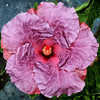
Rose of Sharon (Hibiscus syriacus) in New Jersey showing yellow leaves in late season on 7-foot plants likely needs nutritional support before winter dormancy. Late Season Fertilization Product: Miracle-Gro (water-solu

Euonymus Hedge Yellowing: Soil Test Before Treatment
Euonymus hedge turning yellow/red in Connecticut before cold weather indicates nutritional imbalance — soil test is required before any fertilizer application. Diagnostic Protocol Collect soil samples from root zone of
Landscape Spike in Oak Root: Leave It Alone
A 12-inch landscape spike driven 3 inches into a large oak/hickory root 35-90 feet tall should be LEFT IN PLACE — removal causes more damage than the nail itself. Why Leave It Nail is inert: Steel doesnt poison trees.
Moving 20-Year-Old Upright Yews: Tree Spade Required
Transplanting 20-foot row of 20-year-old upright yews (Taxus) with a backhoe destroys roots — tree spade is the only viable method for this scale. Why Backhoe Fails Shears roots rather than cutting cleanly. Cannot pres
Arborvitae Watering by Soil Type: Clay vs. Loam
Watering frequency for new arborvitae depends on soil drainage — clay holds water longer than loam/sand. Soil-Based Schedule Well-drained (loam/sand): Twice weekly — shallow roots dry fast. Clay soil: Once weekly — hol
Emerald Green Arborvitae Establishment Watering Protocol
Newly planted 6-foot Emerald Green arborvitae (Thuja occidentalis Smaragd) need precise watering for survival — 1 inch per week via soaker hose until ground freezes. Watering Schedule Frequency: Weekly (1 inch per appl
Shrub Competition with Sweetgum Roots: Irrigation Solution
Shrubs failing 3 feet from mature sweetgum (Liquidambar) lose the water competition — the trees massive root system outcompetes everything nearby. Root Competition Reality Sweetgum roots extend 2-3× canopy width. They
Landscape Fabric Under Bulbs: Why It Fails
Weed barrier fabric under bulbs (tulips, hostas, peonies) causes more problems than it solves — your wife is correct. Why Fabric Fails for Bulbs Shoot emergence: Bulb shoots cant penetrate fabric — they rot or deform u
Foundation Shrubs for Shady North-Facing Zone 7 Site
North-facing foundation with screen porch in zone 7 CAN support azaleas — theyre shade-tolerant, not shade-requiring. The azaleas need sun advice is oversimplified. Azalea Reality for Shade Flowering: Reduced but prese
Transplanting 10-Foot Pyramid Cedar: High Risk, Fall Timing
Moving a 10-foot pyramid cedar (likely Thuja occidentalis Pyramidalis) is high-risk — the root ball needed (36+ inches) weighs 300+ lbs and survival is uncertain. If You Must Move It Timing: Late fall (November) as tem
Shrub Selection for Wet, Shady North Carolina Sites
Plants cannot drink up a marshy area caused by development runoff — the water table and drainage pattern must be addressed first. However, these shrubs tolerate wet, partially shaded conditions: Wet-Tolerant Shrub Optio
Needlepoint Holly Decline: Soil Diagnosis Before Treatment
Needlepoint holly (Ilex crenata Needlepoint) hedge showing yellowing, leaf drop, and progressive stem blackening has a root zone issue — drainage, nutrition, or pH — not a primary foliar disease. Systematic Diagnosis Re
Rose of Sharon Renovation Pruning for Bushy Form
Tall, leggy Rose of Sharon (Hibiscus syriacus) in Westchester, NY can be renovation-pruned using the one-in-three renewal method to achieve bushy, window-height form. Renewal Pruning Method Annually: Remove 1/3 oldest
Hedge Trimmer Selection for Cedar: Blade Design Matters
Dual-action 24 hedge trimmers designed for thick deciduous growth shred tender cedar (Thuja/Chamaecyparis) foliage — the wrong tool creates tan, shredded tips that invite disease. Tool Mismatch Analysis Hedge Hog type:
Lilac Powdery Mildew: Benign Fall Fungus
White powdery coating on lilac (Syringa) bark in fall is powdery mildew — a nearly universal, cosmetic, non-damaging late-season fungus. Key Facts Ubiquitous: Most lilacs have it by September. Cosmetic only: No long-te
Hydrangea Pruning by Species for Newport, RI Gardens
Hydrangea pruning in Newport, RI (zone 6b) follows the same species rules as everywhere — bloom timing dictates pruning window. New Wood Bloomers — Prune Early Spring H. paniculata Grandiflora (PeeGee) H. arborescens A
Juniper vs. Cedar: Blue Berry Identification and Size Range
The shrub with blue berries used for Christmas decorating is eastern red cedar (Juniperus virginiana) — which IS a juniper, not a true cedar. Taxonomic Clarity Eastern red cedar = Juniperus virginiana (juniper genus).
Overwintering Seedling Red Maple in Chicago (Zone 5)
A seedling red maple (Acer rubrum) grown from helicopter samara in Chicago should overwinter in an unheated garage — not indoors, not fully exposed. Why Garage Storage Native adaptation: Red maple seeds REQUIRE cold st
Burning Bush Fall Color Requires Full Sun
Winged euonymus (Euonymus alatus Compactus) failing to develop red fall color in shade is a light issue, not soil or genetics — full sun is non-negotiable for pigment development. Physiological Basis Anthocyanin produc
Planting 'Veitchii' Gardenia in Coastal Southern California
Gardenia jasminoides Veitchii (florist gardenia) in zone 24 coastal California with morning sun until 2 PM and winter shade should thrive with proper establishment care. Climate Suitability Hardiness: Zone 10 — your zo
Copyright © www.100flowers.win Botanic Garden All Rights Reserved