




Converting a Weedy Backyard to Sod and Xeriscape: Timing and Weed Control
Spring sod installation over a weedy lot fails if the weed seed bank isn’t addressed. Weeds have likely already dropped next year’s seeds. Recommended Sequence Now (fall/winter): Mechanical removal—mow, bag clippings,

Landscape Plan Symbol for Railroad Ties
No unique “railroad tie” symbol exists. The conventional architectural symbol for dimensional lumber in section is a square with an “X” through it (representing end grain). Adding the “X” to the plan’s squares—or showing
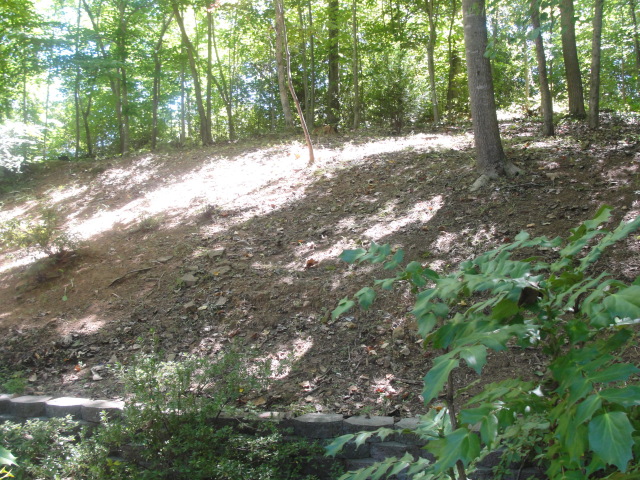
Steep Shady Clay Hillside: Soil Building and Groundcover
A steep, shady, shale-and-clay slope with poplars that floods the patio needs vegetation to slow water, not just a drainage wall. Soil First Incorporate leaf litter/twigs into the slope surface—till to increase porosit
Concrete Dust Killing New Cedars: Salt Toxicity
Two weeks of concrete cutting dust (sodium hydroxide, high pH) on 6-foot cedars causes salt/alkalinity burn. Sodium is toxic to plants; the dust raises soil pH and desiccates foliage. Immediate Action Thoroughly hose d
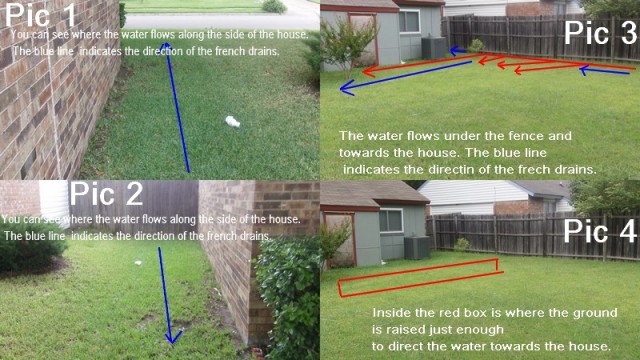
Yard Grading to Drain Away from House: Swale vs. French Drain
A house sitting lower than the surrounding yard with low spots draining toward the foundation needs positive drainage, not just French drains. Recommended Approach Swale (berm + ditch) around the house perimeter to int
Holes in Brick Pavers After Powerwashing: Spalling, Not Herbicide
New holes in a 10-year-old paver patio after powerwashing, polymeric sand, and herbicide are almost certainly spalling from freeze-thaw cycles in low-fired clay bricks—not chemical damage. Diagnosis Clay pavers (salvag
Stopping Mud Washout onto a Paver Patio
Mud seeping through edgers onto a patio indicates two water problems: surface runoff overtopping the edge, and subsurface flow washing the base sand. The fix is intercepting water before it reaches the patio. Solutions
Sizing Catch Basins and Drain Pipe: Rational Method Basics
No single rule of thumb covers every site. Storm drain sizing uses the Rational Method: Q = C × i × A (flow = runoff coefficient × rainfall intensity × drainage area). Residential Simplifications Downspout drains: 6″ P
Transplanting Blue Spruce in Michigan: Fall Window
Seven blue spruce (3–7 ft, 2–4 years old) in Muskegon, MI (Zone 5b) can be transplanted in fall up to the first hard freeze. Fall is ideal—cool air reduces transpiration while warm soil encourages root growth. Checklist
Evaluating a Segmental Retaining Wall: Batter, Alignment, and Drainage
A photo shows a segmental block wall with two issues: (1) proper batter (setback) but uneven courses, and (2) horizontal alignment that wanders at each block. Drainage detail is also wrong—filter fabric behind the wall i
Eradicating English Ivy Safely for a Child with Autism
English ivy (Hedera helix) is toxic if ingested and tough to kill. For a 6×6 ft area climbing a tree and shed, use a targeted herbicide approach with minimal exposure risk. Herbicide Protocol Product: Concentrated glyp
Flagstone Path in New England Snow: Installation for Snowblower Durability
Thin (½–¾″) natural flagstone laid directly on soil will crack under a snowblower. Proper base preparation and material selection are critical for freeze-thaw and mechanical abuse. Required Base (Standard Installation)
Carrotwood Tree Near Foundation: Root Management vs. Removal
A 50-foot carrotwood (Cupaniopsis anacardioides) 6 feet from a slab foundation in San Diego is likely at mature size. Root damage to hardscape (patio, deck) is visible; foundation risk is present but removal may not be n
Barrel Cactus Not Growing or Flowering After 3 Years
Barrel cacti (Ferocactus spp.) are slow, but three years with zero growth suggests cultural issues. Ideal Conditions Temperature: Consistently above 80°F (27°C) for active growth. Water: Infrequent, deep soakings—let s
Eradicating Rose of Sharon Seedlings and Root Suckers
Rose of Sharon (Hibiscus syriacus) spreads aggressively by seed and root suckers. Pulling seedlings alone won’t stop the colony—suckers emerge from the parent’s root system. Effective Control Herbicide on Actively Grow
Reflected Heat from Gas Meter: Unlikely Culprit for Fried Plants
A west-facing gas meter is often blamed for scorching nearby plants, but a small metal meter rarely emits enough reflected heat to “fry” a 4-foot arborvitae. The house wall itself—especially stucco, brick, or light-color
Stabilizing a Steep Driveway Slope with Riprap
A steep hillside beside a driveway (over 45°) eroding toward the pavement needs more than loose rock. Riprap (6–10″ diameter stone) alone will not hold on slopes steeper than 45°. Proper Riprap Installation (≤45° Slopes
John Deere Landscaping Flags: What They Really Mean
Spray-paint marks and “John Deere Landscapes” flags in a yard don’t indicate a high-end contractor—they’re promotional flags manufacturers give to suppliers. The flags could mean the property owner bought plants from a n
Excavating a Flagstone Path Through Tree Roots: Tool Options
A 30-foot × 4-foot flagstone path weaving among mature trees means dense roots and rocky soil. Hand digging with a shovel is impractical. Two realistic options: Option 1: Mini Excavator / Skid-Steer (Dingo, Bobcat MT55,
Carving Natural Stone Steps into a Granite Outcrop
25 ft wide × 20 ft high granite face at 45°. Homeowner wants functional steps to backyard. Assess Rock Friability Solid (hammer bounces): Need mason with pneumatic hammer/chisel. Fractured (flakes easily): DIY possible
Copyright © www.100flowers.win Botanic Garden All Rights Reserved