
Forcing Hyacinths for Winter Bloom
To have hyacinths blooming by late January, they need sufficient cold treatment (12-14 weeks at 35-45°F) then 2-3 weeks in warmth. If already chilled, pot them now and keep in a cool, bright spot. Move to a warm room by

Mail-Order Flower Bulbs: Reputable Sources
For quality bulbs shipped directly, try: The Bulb Shoppe Old House Gardens McClure and Zimmerman These specialists offer excellent selections and reliable shipping.
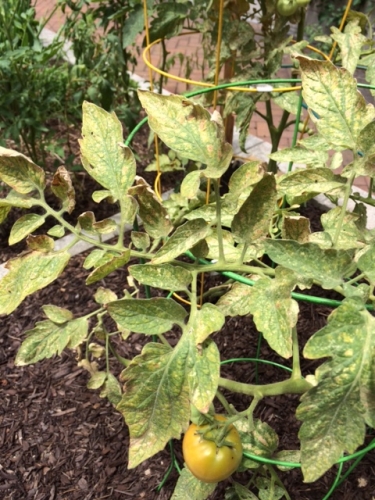
Spider Mites on Tomatoes: Wash or Spray Organically
Two effective, food-safe approaches: Forceful water spray with a Bug Blaster nozzle, targeting leaf undersides in mid-afternoon so foliage dries quickly. Organic sprays: Insecticidal soap (kills on contact) or horticult
Rabbit Control: Protecting Pansies Without Harm
Rabbits eat pansies to the ground; caterpillars leave notched edges. For rabbits, combine taste and smell repellents: commercial Ro-Pel, homemade cayenne or Tabasco sprays (test first), or even dog droppings near plants.
Deep Root Feeding for Trees: Is It Worth It?
Tree feeder roots are within 12 inches of the surface, so deep root fertilization (injecting fertilizer deeper) is debated. For a large red oak constrained by a driveway, the treatment might help if root space is severel
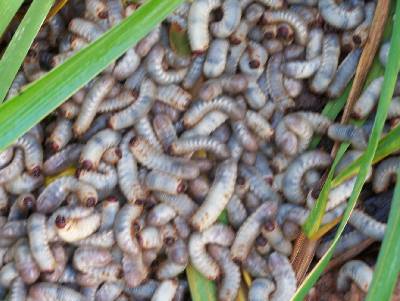
Green June Beetle Grubs in the Pool: Nightly Invasion
Hundreds of grubs drowning in the pool nightly are green June beetle larvae. Unlike Japanese beetle grubs, they feed on thatch, not grass roots. Their tunneling dries soil, and mature grubs surface at night, accidentally
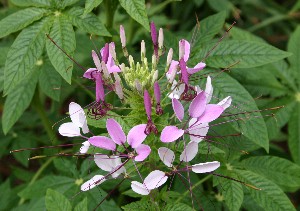
Cleome: Flower or Weed? Managing the Self-Seeder
Cleome (spider flower) straddles the line—beautiful blooms but aggressive self-seeder. Pinch growing tips at 2 feet to encourage branching and more flowers. Cut to ground in August when ratty; it returns next spring from
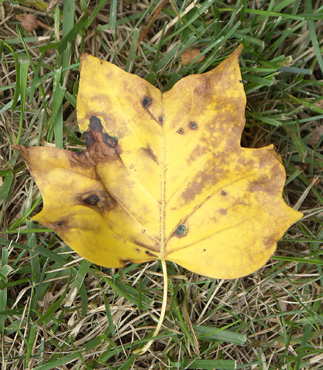
Tulip Poplar Early Yellowing: Stress Response, Not Decline
Tulip poplars drop yellow leaves in June whenever stressed—by drought or excess water. Its a species trait, not a sign of dying. The tree will leaf out normally next spring. See detailed watering instructions for trees.
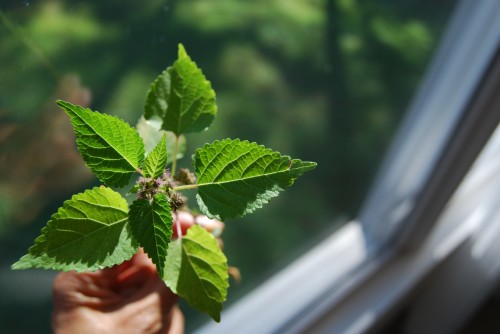
Mulberry Weed Control: Pre-Emergent and Post-Emergent Strategies
Mulberry weed (Fatoua villosa) is a fast-seeding annual. Control requires pre-emergent dithiopyr applied in late March, mid-May, and early July for heavy infestations. Post-emergent options include broadleaf weed killers
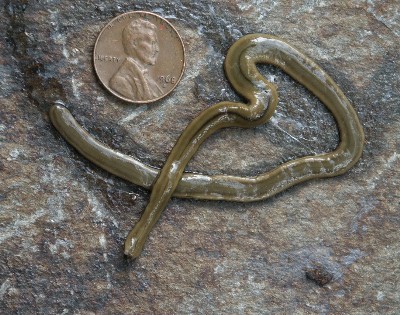
Land Planaria (Hammerhead Worm): Earthworm Predator
The slimy, hammerhead-shaped worm under rocks is a land planarian (Bipalium kewense). Harmless to humans and pets, it preys on beneficial earthworms. It can regenerate from pieces, so dont chop it. Removal Wrap in tissu
Corn Cross-Pollination: Sweet Corn vs. Popcorn
Unlike most vegetables, corn flavor is affected by the pollen it receives in the current season. Popcorn pollen reduces sweet corn sweetness; sweet corn pollen makes popcorn taste more corny but doesnt affect popping. S
Daylily Rust: Fungicide Options for Home Gardeners
Daylily rust can be managed with fungicide rotations to prevent resistance. Effective active ingredients include mancozeb, chlorothalonil, azoxystrobin, and triadimefon. Apply every 7-14 days per label instructions, alte
Vinegar as Herbicide: Concentration Matters
Household vinegar (5% acetic acid) only kills very young weeds. Effective weed control requires 20% acetic acid, which is hazardous, strongly odorous, and rarely sold at garden centers. It burns foliage but doesnt kill r
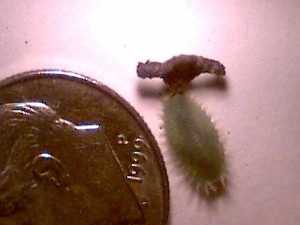
Spiny Oak Slug Caterpillar: Stinging Pest on Tomatoes
The bizarre green caterpillar with fleshy spines on your tomato plant is the spiny oak slug—a stinging caterpillar. Its false legs exude an irritating liquid that causes painful skin reactions. Control Do not touch wit
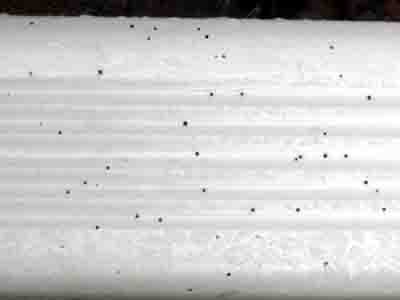
Artillery Fungus: Tiny Spore Cannons on Mulch
Pinhead-sized tar-like spots on patio furniture and fences near wooded areas are likely artillery fungus (shotgun fungus). This fungus grows on decaying mulch and leaves, building pressure in microscopic cups that explos
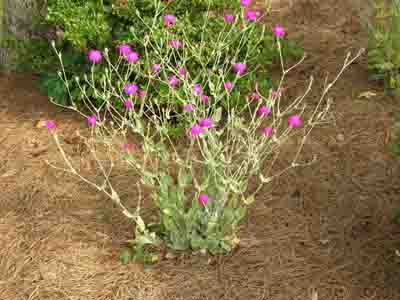
Rose Campion: Self-Seeding Perennial with Silvery Foliage
Rose campion (Lychnis coronaria) is a short-lived perennial that seeds prolifically, creating a continuous presence in the garden. Its magenta flowers atop fuzzy silver leaves add bright color in early summer. See Rose
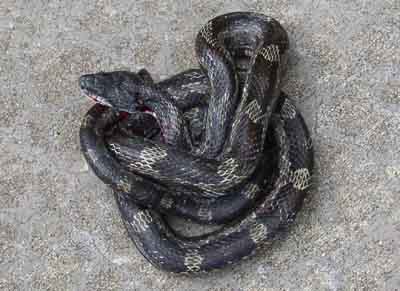
Gray Rat Snake: Harmless and Protected
The snake found on the driveway is a gray rat snake (Elaphe obsoleta), a non-venomous, beneficial predator of voles and mice. All non-venomous snakes in Georgia are protected by law—killing them is illegal. Key Points
Removing Astringency from Persimmons: Traditional and Simple Methods
Unripe persimmons are intensely astringent due to soluble tannins that bind tongue proteins. Several methods can render them palatable: Traditional Curing Store with ripe apples or bananas—their ethylene gas converts t
Shady Yard Solutions: What to Do When Grass Fails
When fescue thrives from November to June but declines in summer heat, the issue is often insufficient light for turfgrass. Even shade-tolerant fescue needs 4-6 hours of filtered sun. Options for Shady Areas Switch to
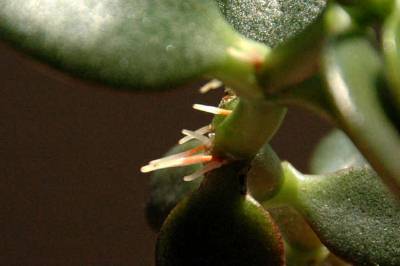
Jade Plant Adventitious Roots: Easy Propagation
The white, finger-like growths on your jade plant stems are adventitious roots—a common trait in succulents. Theyre harmless and actually make propagation effortless. How to Propagate Snip the stem just below the roots
Copyright © www.100flowers.win Botanic Garden All Rights Reserved