
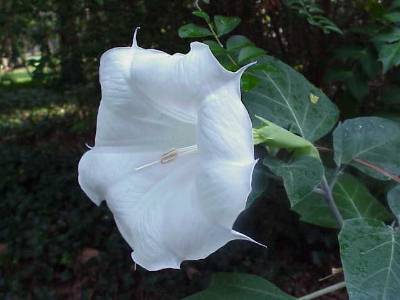
Devil's Trumpet (Datura): Beautiful but Toxic Nightshade
The night-blooming plant with upward-facing white flowers and spiky seed pods is devils trumpet (Datura alba), a member of the nightshade family. Unlike angels trumpet (Brugmansia) with downward-hanging flowers, daturas

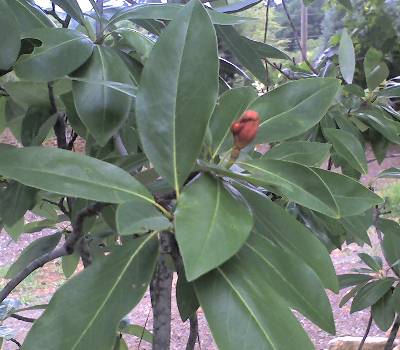
Sweetbay Magnolia: Fragrant Native Beauty
The tree with wonderfully fragrant white blooms and red seedpods is sweetbay magnolia (Magnolia virginiana). Smaller and more adaptable than Southern magnolia, it thrives in moist soils and partial shade. Growing Tips
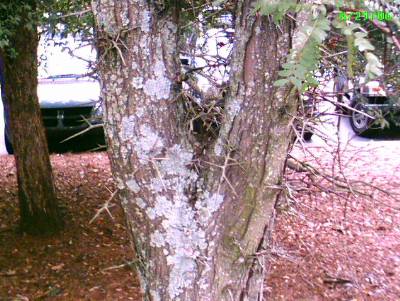
Honey Locust Identification: Thorny but Wildlife-Friendly
The tree with fierce thorns on trunk and branches, mimosa-like leaves, and large bean pods is a honey locust (Gleditsia triacanthos). While the thorns are hazardous, the sweet pulp inside the pods feeds wildlife. Thornl
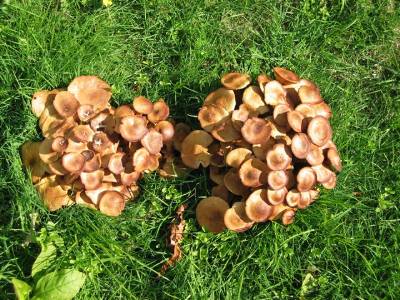
Honey Mushrooms in the Lawn: Fungus Feeding on Old Roots
Clusters of honey mushrooms (Armillaria tabescens or A. mellea) appearing in the lawn years after a maple removal are the flowers of a fungus decomposing the dead roots. Theyre not harming the grass—just recycling the wo
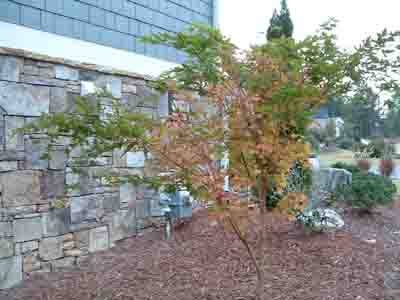
Coral Bark Maple Fall Growth Spurt: Stress Response
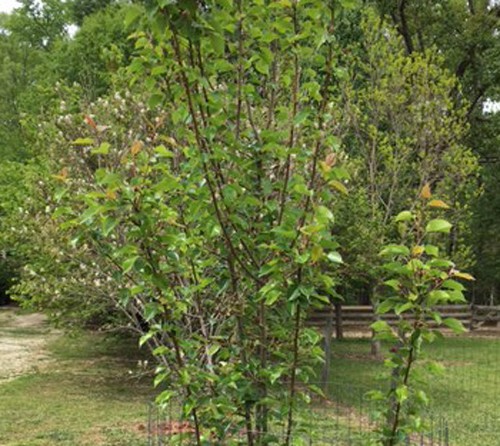
Coral bark maples (Acer palmatum Sango-kaku) often produce vigorous, large-leaved shoots in fall after summer heat stress—especially near heat-radiating stone walls. These shoots look different from the typical delicate
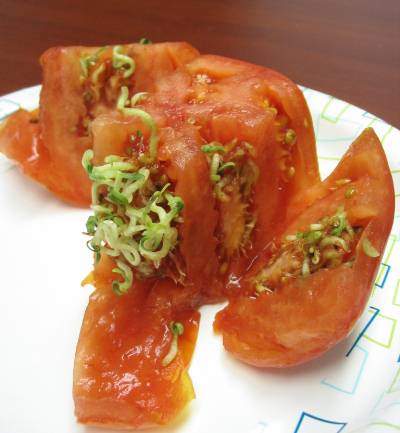
Tomato Seeds Sprouting Inside: Vivipary Explained
Finding tomato seeds germinating inside a ripe fruit is a phenomenon called vivipary. It occurs when overripe tomatoes are stored at warm temperatures, creating a mini-greenhouse effect. Why It Happens Fruit left on th

Timbersil: Glass-Treated Wood for Raised Beds
Timbersil is a wood product treated with sodium silicate (liquid glass) technology, making it resistant to rot and insects without traditional chemical preservatives. It was featured on Ask This Old House as a cost-effec
Finding Palm-Specific Fertilizer
Palms have unique nutritional needs, especially for magnesium, manganese, and iron. If local garden centers dont carry palm fertilizer, look for these widely available products: Sunniland Palm and Ixora Fertilizer Jobe
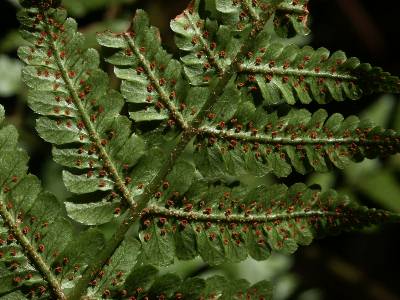
Boston Fern Spores: Nature's Reproductive Dots
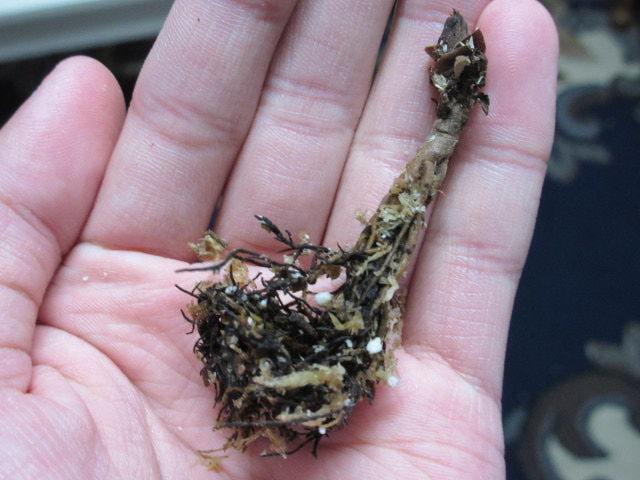
The round brown dots on the undersides of Boston fern fronds are sori—clusters of reproductive spores. Unlike flowering plants, ferns reproduce via these microscopic spores. Propagating from Spores Enthusiasts collect s
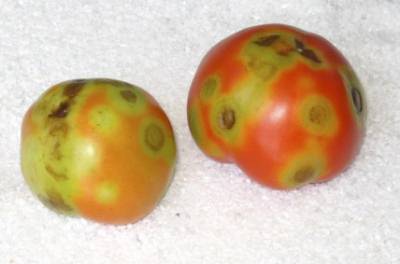
Stinkbug Damage on Tomatoes: Causes and Control
Sunken, discolored spots on tomatoes are classic stinkbug feeding damage. These insects pierce the fruit with their needle-like mouthparts, injecting bacteria and fungi that cause the surrounding tissue to decay. Manage
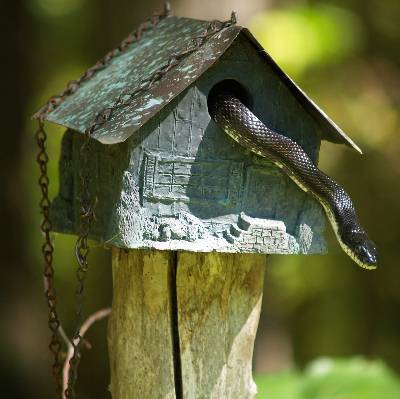
Black Rat Snake: Beneficial Garden Resident
A large snake in a birdhouse is likely a black rat snake (Elaphe obsoleta), a harmless and beneficial predator of rodents. While they may raid bird nests, they play a valuable role in the ecosystem. Coexistence Tips Pr
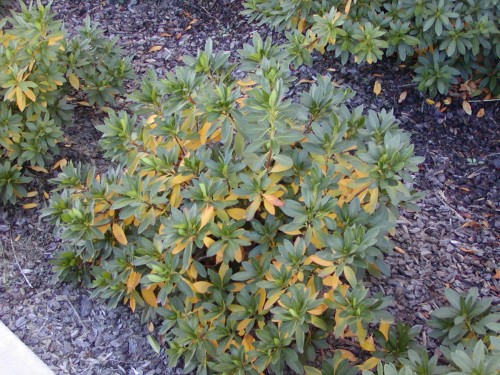
Azalea Winter Leaf Drop: Normal Seasonal Behavior
Seeing older azalea leaves turn yellow and red in fall and winter can be alarming, but its perfectly normal. Azaleas are semi-deciduous—they shed a portion of their spring-produced leaves each year, especially large-leav
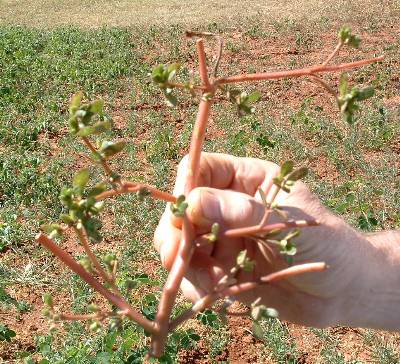
Purslane in Deer Plots: Edible Annual for Wildlife
Common purslane (Portulaca oleracea) often appears as a weed in gardens, but its a nutritious, deer-favored annual. It thrives in warm weather and dies at the first frost. Planting for Wildlife Sow seeds in spring; dee
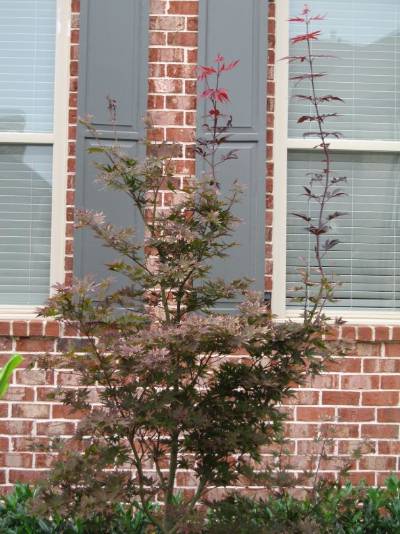
Japanese Maple Long Shoots: Natural Growth Habit
Japanese maples come in hundreds of varieties, from dwarf shrubs to 20-foot trees. If your tree sends up vigorous vertical shoots in fall after a stressful summer, its simply expressing its natural tree-form habit—especi
Liriope Crown Rot: Identification and Management
Liriope (monkey grass) is famously tough, but crown rot caused by Phytophthora palmivora can strike, especially in wet conditions. Symptoms include yellowing foliage that pulls away easily with a blackened base. Immedia
Low-Maintenance Container Planting for Full Sun
Creating year-round interest in deck planters without annual replanting is a common challenge. Most perennials bloom briefly, while annuals provide continuous color but require yearly replacement. A Smart Design Strateg
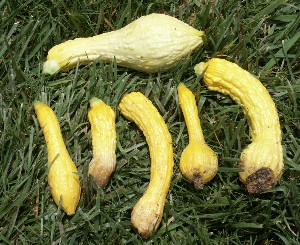
Hand-Pollinating Squash for Better Harvests
When zucchini or other squash fruits shrivel at the blossom end while the stem end keeps growing, poor pollination is almost always the culprit. With wild honeybee populations declining, gardeners often need to step in a
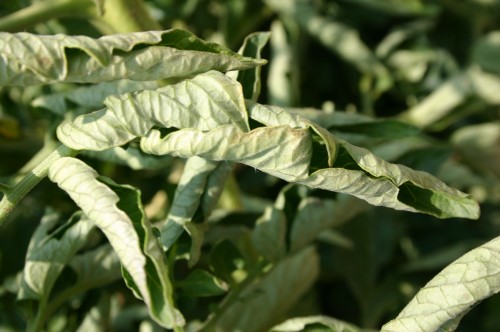
Tomato Leaf Roll: A Temporary Disorder
When tomato leaves start curling inward, its easy to fear a serious disease. However, if the plants remain green and otherwise healthy, the cause is likely physiological leaf roll—a temporary response to environmental st
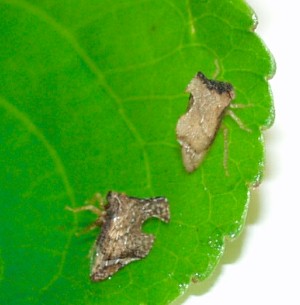
Treehoppers on Sunflowers: Harmless Visitors
Finding strange insects on the undersides of sunflower leaves can be alarming, but treehoppers are generally benign. These small, sap-feeding insects rarely cause significant damage to sunflowers or other garden plants.
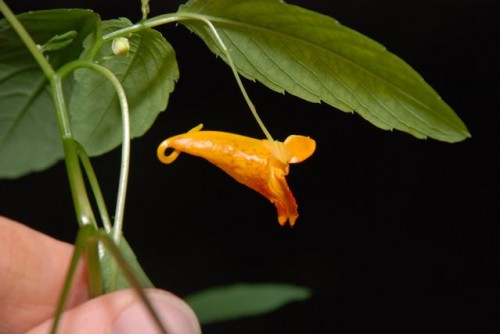
Natural Relief for Poison Ivy: Jewelweed and Balsam Impatiens
If youve ever suffered through the maddening itch of poison ivy, you may have heard whispers of a native plant that can soothe the rash. Two members of the impatiens family—wild jewelweed (Impatiens capensis) and heirloo
Copyright © www.100flowers.win Botanic Garden All Rights Reserved