
Powdery Mildew on Euonymus: Identification and Management
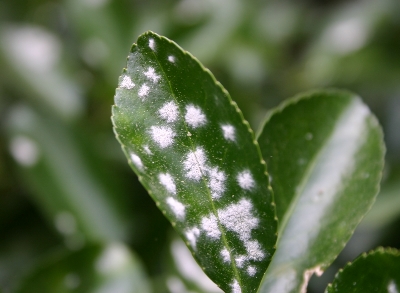
Powdery mildew appears as white, powdery spots on euonymus leaves. It’s a fungal disease favored by cool nights and warm days. The fungus is host-specific—mildew on euonymus won’t spread to roses or crape myrtles, though

Managing Root-Knot Nematodes in Tomato Gardens
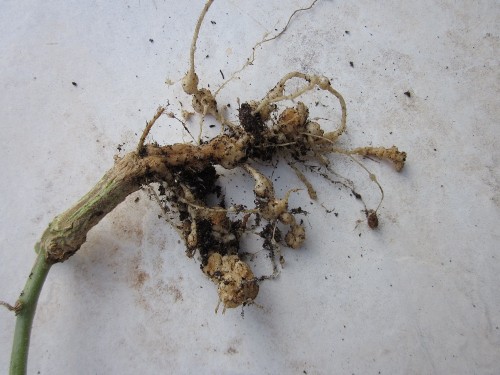
Root-knot nematodes are microscopic worms that invade tomato roots, causing galls that impede water and nutrient uptake. Plants survive but yield poorly. No chemical nematicides are available for home gardens, but cultur

Tomato Sweetness Myth: Baking Soda Doesn’t Lower Acidity
Sprinkling baking soda around tomato plants won’t make fruits sweeter. Tomato flavor is governed by genetics and sunlight, not soil pH manipulation. “Low-acid” tomatoes simply have higher sugar content that masks acidity
Black Widow and Brown Recluse Spiders: Identification, Habits, and Safety
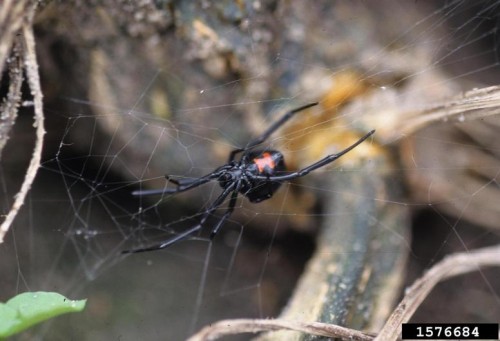
Two venomous spiders cause concern in Georgia: the black widow and the brown recluse. Knowing how to identify them and where they hide reduces risk. Black Widow (Latrodectus mactans) Female: ½ inch body, shiny black, re
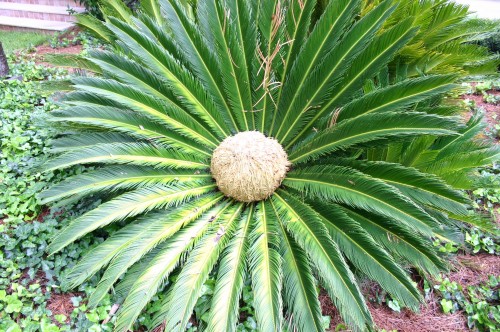
Sago Palm Care: Not a True Palm, But a Striking Cycad
Despite its name, the sago palm (Cycas revoluta) is a cycad—more closely related to pines and ginkgoes than palms. Its feathery, dark green fronds create a tropical look, but it has specific needs, especially in cooler c
Roundup Breakdown in Tap Water: Why Stored Mixtures Lose Potency
If you mix glyphosate (Roundup) in tap water and store it for days, you’re likely wasting product. Tap water’s high pH (8.0–10.0) causes glyphosate molecules to break apart within days, drastically reducing effectiveness
Leaves as Mulch? Better: Plant a Shade Garden Instead
Raking endless leaves off a struggling fescue lawn is futile. Instead of creating a massive leaf pile that breeds mushrooms and risks tree root health, transform that shady front yard into a beautiful, low-maintenance sh
Heeling In Plants: The Best Way to Store Plants Before Transplanting
Moving soon? Don’t leave your prized roses, rhododendrons, azaleas, bulbs, or dogwoods behind. “Heeling in” keeps them alive and healthy until you’re ready to plant at your new home. How to Heel In Dig a trench 3 feet w
Propagating Antique Roses: Cuttings and Layering for 'Clotilde Soupert'
The fragrant, repeat-blooming Clotilde Soupert rose is a treasure worth multiplying. Early summer offers two reliable propagation methods: rooting cuttings and soil layering. Both yield new plants identical to the parent
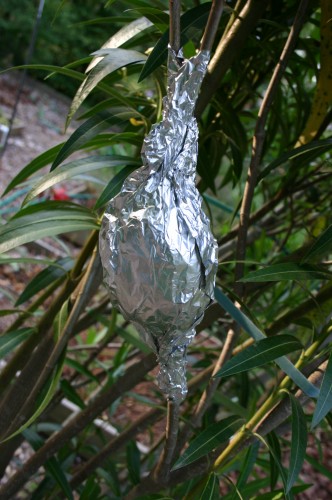
Air Layering Corn Plant (Dracaena): Step-by-Step for Tall Plants
Too tall to divide? Air layer. Works for hydrangea, camellia, azalea too. 12-24 from top: scrape ½ bark ring around stem. Dust with Rootone. Wrap damp long-fiber sphagnum moss. Cover with kitchen plastic + masking tape
Cherokee Rose: Georgia's State Flower and Garden Club Star
The Cherokee Rose (Rosa laevigata) holds a special place as Georgia’s state flower. Its pure white petals and golden center bloom in early spring, offering a fragrant display that’s perfect for a garden club program. Thi
Cross-pollination (melons, squash, pumpkins) affects next generations fruit, not current crop. Summer squash + pumpkins cross. Watermelon + cucumber dont cross. Your Cases White watermelon flesh = picked early or ins
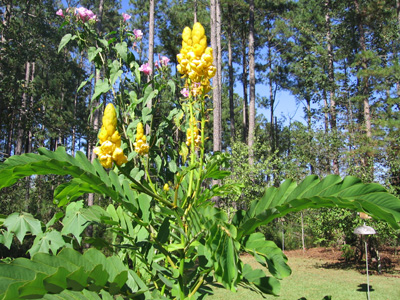
Candlestick Plant (Senna alata): Showy Fall Bloomer, Annual in North Georgia, Save Seeds
Senna alata = candlestick plant. Gorgeous late summer/fall flowers. Not winter-hardy north of mid-GA. Keep It Going Harvest pods/seeds after frost. Sow late April. Sprouts in week, grows fast in sun. Note Large plant
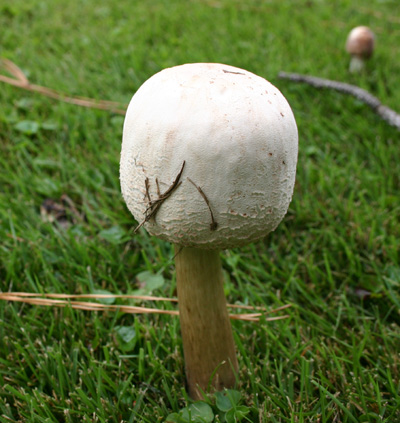
Lawn Mushrooms: Fungal Flowers, Harmless, Remove Only for Kids/Pets
Mushrooms = flowers of underground fungus feeding on debris. Rain triggered fruiting. Facts Spores everywhere—removing mushrooms doesnt prevent future ones. No harm to grass. Signal nature recycling thatch/roots. Man
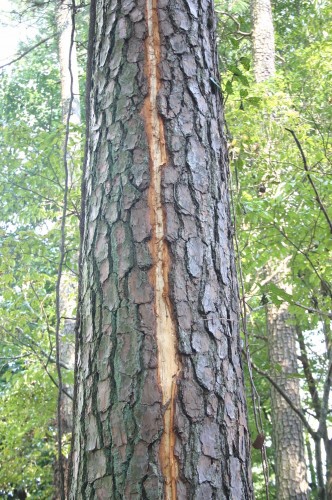
Lightning-Struck Trees: Wait and See, Water Deeply, Don't Rush Removal
Lightning damage = wait and see. Sap explosion under bark does hidden damage. Care Water deeply weekly all summer. Remove loose bark you can reach. Pines: 50/50 survival. Second Opinion Tree removal experts ≠ arboris
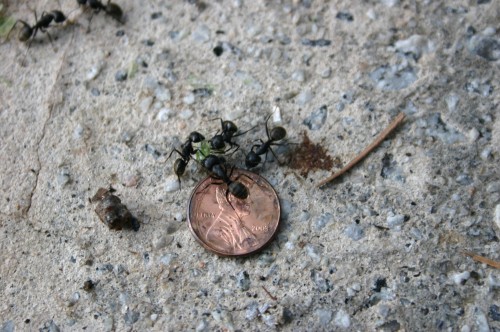
Hollow Oak With Carpenter Ants: Ants Didn't Cause Rot—Water Did, Get an Arborist
Coffee grounds at base = ant/roach droppings. They didnt hollow the limb—water entering a crack did. Decay spreads down over years. Reality Tree = shell of bark around empty heartwood. Will fall eventually. Action Hire
Germinating Bur Oak (Mossy Cup) Acorns: Cold Stratify 30-60 Days, Plant Deep, Lime Annually
Bur oak (Quercus macrocarpa) not endangered. Germination: Fall plant OR stratify 30-60 days at 32-41°F (moist sphagnum in fridge). Plant 1 deep in sunny, moist spot. Transplant at 8-12 to organic, well-drained soil, ful
Ceanothus Growing: Dirr Loves It, But Info Cuts Off—Check Western Sources
Mike Dirr nearly imploded his camera over blue ceanothus in Edinburgh. Dozens of species, mostly Western natives. Article incomplete. Seek Western horticulture sources for Georgia suitability.
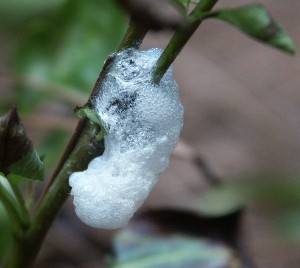
Spittlebugs: Frothy Masses on Stems—Wash Off, Pick Off, or Spray Soap
White froth on penstemon (and grass, pine tips) = spittlebug nymphs. Suck sap, excrete bubbles for protection. Control Wash off with hose. Pick off and squish. Insecticidal soap. Common, minor, easy to manage.
Stinging Nettle in Bermuda: Rare Lawn Weed, Spot-Spray Broadleaf Herbicide in Spring
Small, heart-shaped scalloped leaves, cylindrical spikes, stings like yellowjacket = stinging nettle. Uncommon in healthy Bermuda. Control Watch each spring. Spot-spray liquid broadleaf herbicide. Once gone, unlikely to
Copyright © www.100flowers.win Botanic Garden All Rights Reserved