


If you've ever suffered through the maddening itch of poison ivy, you may have heard whispers of a native plant that can soothe the rash. Two members of the impatiens family—wild jewelweed (Impatiens capensis) and heirloom balsam impatiens (Impatiens balsamina)—have long been touted as folk remedies.
Jewelweed thrives along semi-sunny creek banks and mountain roadsides, especially noticeable in August when its orange-spotted flowers bloom. Herbalists suggest crushing the succulent stem and rubbing the fresh sap directly onto the affected skin. Many swear by its ability to dry up the rash and ease the itch.
Balsam impatiens, an old-fashioned annual, is sometimes available through seed exchanges such as the Georgia Farmers & Consumers Market Bulletin (800-282-5852). While scientific evidence is limited, gardeners who have tried it report similar relief.
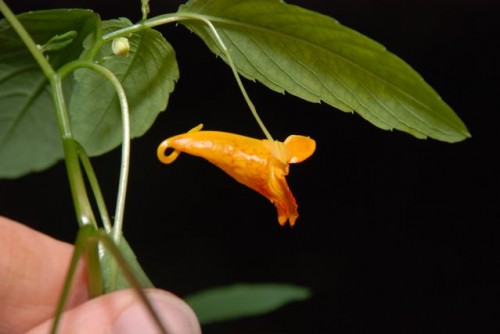
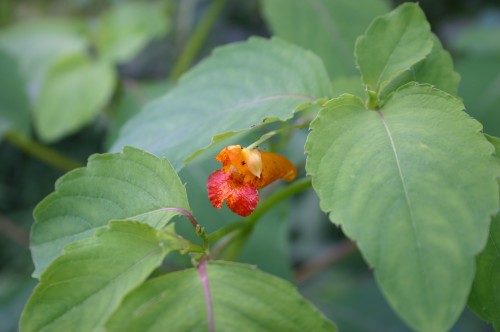
Whether you forage for jewelweed or sow balsam impatiens in your yard, these plants offer a natural, low-cost option worth trying the next time poison ivy strikes.
The Shocking Link Between Cashews and Poison Ivy: Urushiol Exposed
Poison Ivy: Identification, Treatment, and Home Remedies for the Rash
Finding Wild Elderberries: Join a Native Plant Rescue
Jatropha: Ornamental Shrub with Biodiesel Potential
Echeveria 'Duchess of Nurnberg' Identification
Candlestick Plant (Senna alata): Showy Fall Bloomer, Annual in North Georgia, Save Seeds
English Ivy Stem Dieback and Date Palm Soap Burn: Fungicide, Safer Soap, Mite Control
Poison Sumac in Georgia: Rare Wetland Plant, Not the Usual Culprit
Flapjack Plant (Kalanchoe thyrsiflora): Care and Bloom
Chandelier Plant (Kalanchoe tubiflora): Striking but Invasive Succulent
Poison Ivy vs. Poison Oak in Georgia: How to Tell Them Apart
Identifying Clerodendrum Species: Peanut Butter Plant and Red-White-Blue Plant
Copyright © www.100flowers.win Botanic Garden All Rights Reserved