


If you mix glyphosate (Roundup) in tap water and store it for days, you’re likely wasting product. Tap water’s high pH (8.0–10.0) causes glyphosate molecules to break apart within days, drastically reducing effectiveness.
Glyphosate is a polar molecule—like a tiny magnet. In soil, it binds to charged particles and is degraded by microbes. But in alkaline tap water, the molecule hydrolyzes (splits) quickly. Acidic water stabilizes it, but most municipal water is alkaline.
Research confirms: a backpack sprayer with 2% glyphosate in clean tap water might hold for a while, but a large tank at low rates degrades in days. Don’t risk poor weed control—mix fresh each time.
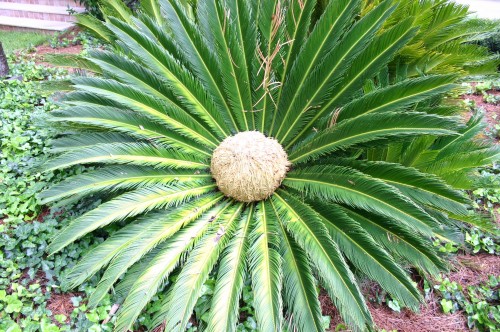
Mix glyphosate fresh for maximum weed-killing power.
Roundup on Cypress Roots: No Well/Septic Contamination
Growing Sarracenia Outdoors in Southern California: Tap Water Tolerance and Testing
Choosing the Best Water for Your Houseplants
Watering Azaleas and Rhododendrons: Tap Water vs. Rain Water
Ideal pH for Hardy Water Lilies
Dechlorinating Tap Water for Houseplants: Unnecessary and Potentially Harmful
High pH (8.4) in a 7,000-Gallon Koi Pond: Lowering It Safely
Water-Holding Tree Crotch: Leave It Alone, Manage Mosquitoes
Graywater vs. Caught Water: What's the Difference for Garden Irrigation?
How to Clean Herbicide Residue from a Garden Sprayer
Shock Chlorination for New Wells: Procedure and Testing
Daphne Odora: Fragrant But Poisonous—Don't Drink the Water
Graywater pH for Acid-Loving Plants: GAIN Detergent Test Results
Copyright © www.100flowers.win Botanic Garden All Rights Reserved