

Tree Roots and Water Pipes: Only a Problem If Pipes Leak
Tree roots ignore intact pipes. They only invade if a pipe leaks—and even then, pressurized supply lines repel roots. Sewer lines (especially old Orangeburg pipe) are the real concern. If your sewage pipes are sealed PVC

Tomato Bacterial Wilt: Identification and Management
Bacterial wilt is soil-borne, contagious to tomato, pepper, and eggplant. Plants wilt green, recover overnight, then wilt worse next day. Test by placing a cut stem in warm water; cloudy ooze confirms it. No chemical cur
Mosquito Myths: Soapy Water Traps and Other Folk Remedies Don’t Work
Dish soap traps, garlic, vitamin B-1, bananas, fabric softener sheets, Vicks, vanilla—none are backed by research. Entomologists call them charming but useless. Real attractants: dark clothing, pregnancy, skin temperatur
Evergreen Groundcovers for Dry Shade Under Oaks
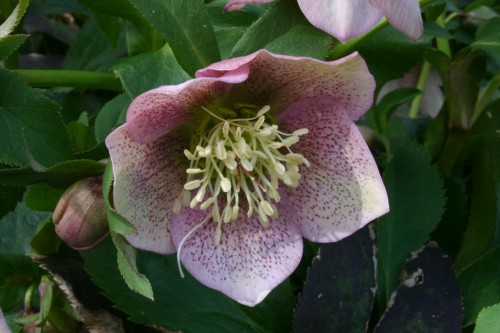
Avoid invasive groundcovers like English ivy, dwarf bamboo, and wintercreeper. For dry shade, choose Lenten rose (Helleborus orientalis) and mondo grass (Ophiopogon japonicus)—tough, evergreen, non-invasive. Lenten rose
Lespedeza: Invasive Risk vs. Wildlife Value
Chinese lespedeza (Lespedeza cuneata) is invasive; shrub lespedezas (L. bicolor, L. thunbergii) are less so and sold for wildlife. The Forestry Service’s bicolor lespedeza is unlikely to become problematic. If concerned,
Roots grow whenever soil temperature exceeds 50°F. In winter, leafless trees need little water or nutrients, so winter moisture has minimal effect on overall growth. Roots are active but demand is low.
Planting Tomatoes in the Same Spot: Risks and Workarounds
Crop rotation is ideal to avoid soil-borne diseases, but planting tomatoes in the same bed year after year isn’t fatal. Amend soil heavily each year, mulch well to suppress leaf diseases, and if wilt appears, excavate an
Heirloom Plants in Southern Gardens: Why ‘Santa Rosa’ Plum Fails Here
The ‘Santa Rosa’ plum (Prunus salicina) is highly susceptible to stem canker and leaf spot in the humid Southeast. Southern breeders crossed it with native plums (P. americana) for disease resistance, yielding better-ada
Five Basic Needs of Plants (Plus a Sixth?)
Plants fundamentally need water, light, nutrients (N-P-K, etc.), and air (oxygen and carbon dioxide). The fifth? Possibly darkness—a period without light to reset for photosynthesis. Soil isn’t essential; hydroponics pro
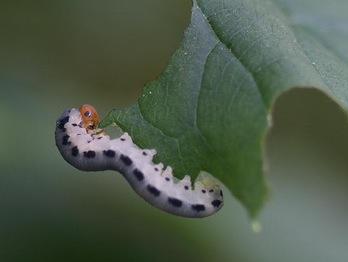
Mockorange Sawfly Larvae: Not Caterpillars, Need Different Control
The “worms” eating mockorange leaves are sawfly larvae, not caterpillars (they have more than five pairs of prolegs). B.t. won’t work. Carbaryl (Sevin) gives good contact control; imidacloprid applied to soil works syste
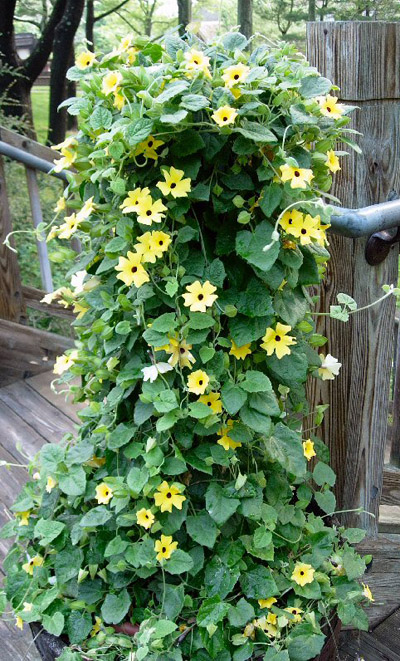
Black-Eyed Susan Vine (Thunbergia alata): Annual Beauty for Containers
The yellow-flowered vine seen in Boston is likely Thunbergia alata, the black-eyed Susan vine. It’s perennial only in south Florida; elsewhere grow it as an annual. It thrives in containers with support.
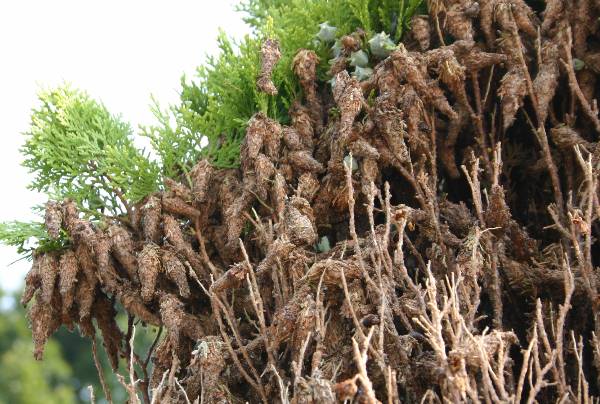
Bagworm Infestation on Leyland Cypress: Act Now
Bagworms can skeletonize Leyland cypress by August. Once the brown “bags” are large and noticeable, insecticides won’t penetrate. The only remedy is hand removal: wear long sleeves, pluck every bag, and destroy them (egg
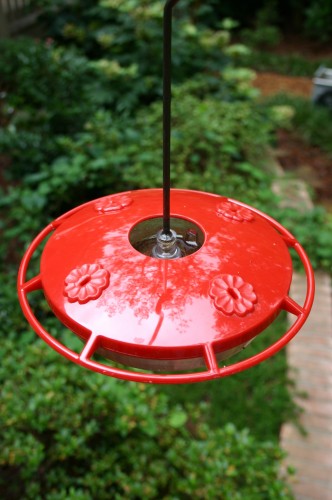
Keeping Bees and Wasps Off Hummingbird Feeders
Modify the feeder so insect tongues can’t reach the nectar. Hummzinger-style feeders have a good reputation for excluding bees, hornets, and wasps while allowing hummingbirds access.
Removing Bermuda Grass from Zoysia Lawns
Fusilade II (fluazifop) is labeled for bermudagrass control in zoysia. Apply with a non-ionic surfactant around June 1, repeating every 28–30 days. UGA research showed two years of treatment (two applications per year at
Tree Recovery After Insecticide Burn
Spraying Sevin on a hot, sunny afternoon can scorch leaves, causing massive defoliation. Once leaves drop, all you can do is wait. The good news: young trees often survive and leaf out again next spring. Keep them watere
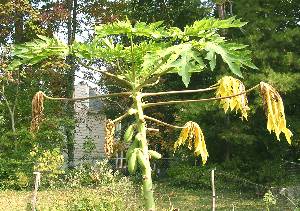
Growing Papaya in Georgia: A Tropical Success Story
A gardener grew papaya from seed, overwintered it in a garage, and got fruit the next year—rare for Georgia. Papaya needs year-round warmth; even light frost damages it. Connect with groups like the Southern Fruit Fellow
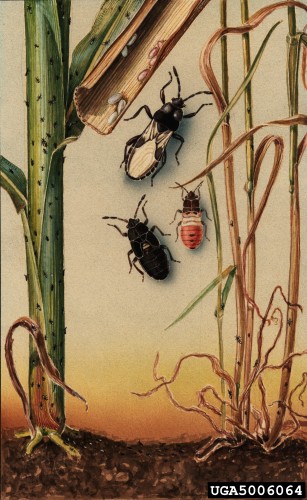
Chinch Bug Detection and Control in St. Augustine Grass
Yellow patches in St. Augustine grass may signal chinch bugs. Confirm by floating them out: press a gallon can (both ends removed) into the soil at a damaged spot, fill with water, and count bugs that surface in five min
Yard Sprays for Mosquitoes: Why They’re Not Worth It
Yard sprays claiming four-week control rarely last more than a day. Mosquitoes blow in on the breeze and may not land on treated surfaces. Worse, these sprays kill beneficial insects with little impact on mosquito number
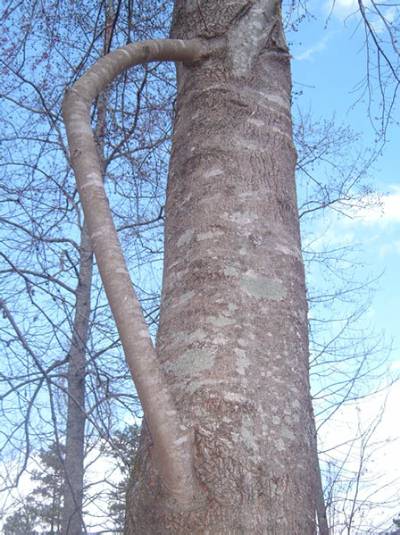
Natural Limb Grafting: When a Branch Fuses Back to the Trunk
A Remarkable Natural Phenomenon Your maple photos illustrate natural limb grafting (inosculation)—where a branch, bent back against the trunk in its youth, gradually fused with the trunk tissue over years. The branch app
Winter Care for Fall-Planted Bearded Iris
It’s normal for fall-planted iris (and other bulbs) to send up foliage before winter. The leaves are cold-hardy and won’t be damaged by freezing temperatures. If you want to do something, lightly cover the foliage with p
Copyright © www.100flowers.win Botanic Garden All Rights Reserved