



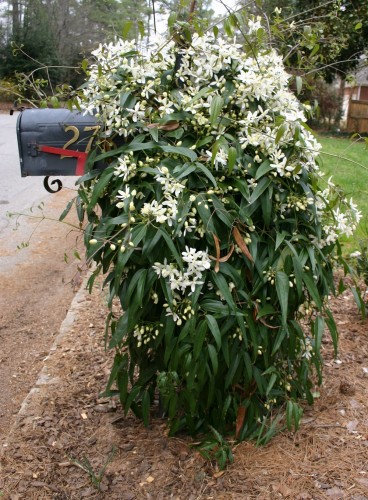
Hiding a Chain-Link Fence with Evergreen Vines
Evergreen clematis (Clematis armandii) covers fences well, tolerates sun/shade, recovers from cold damage, and has vanilla-scented white flowers in April. Shear yearly after bloom. ‘Avalanche’ clematis has deeply cut lea

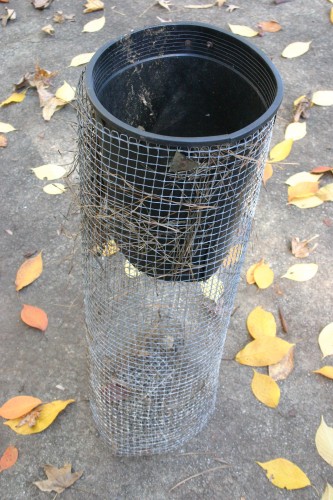
Rat-Proof Composting: Hardware Cloth Cylinder System
Solving the Rat-Compost Conflict Standard compost piles attract rats despite burying kitchen scraps. This DIY exclusion system uses a hardware cloth cylinder to compost food waste securely while allowing beneficial organ

Compost tea is like manure tea but less smelly. Add molasses to feed microbes in an oxygen-rich brew. Kitchen Gardener magazine has detailed directions: “Brewing Compost Tea.”
Rejuvenating Verbena: Cut Back Hard and Chop the Mat
Verbena blooms only on new growth tips. It looks great year one, ratty year two because stems don’t root well as they spread. Fix: trim whole area to 3″ between now and March. Chop through the stem mat with a shovel in s
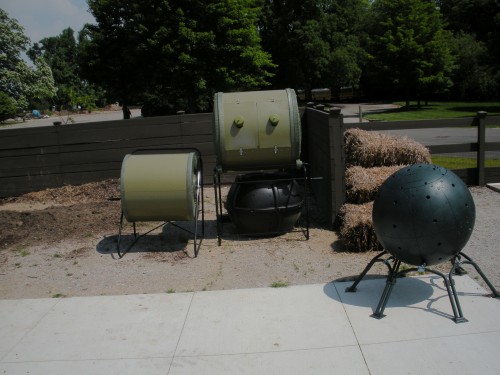
Choosing a Composter: Bins, Tumblers, or DIY Wire Cage
Small space? Upright plastic bins. Want fast compost? Tumblers (but they’re ugly). Low budget? Roll 10 ft of 4-ft wide fencing into a wire barrel. Gardeners Supply and CompostBins.com offer many designs. Composting is si
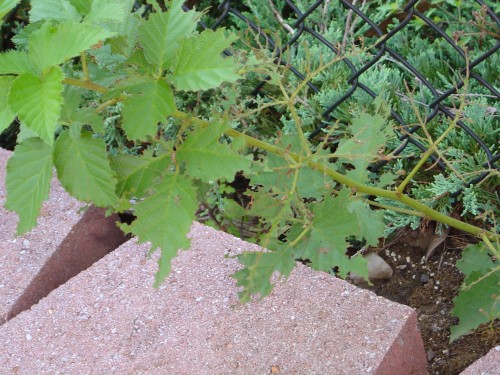
Strawberry Weevil on Blackberries: Identify and Control
Tan, BB-sized, hard-shelled beetles that play dead and notch leaf edges are strawberry weevils. They have a second generation in summer. Hard to control organically; spray carbaryl (Sevin) when seen and reapply if they r
Clematis Pruning: Timing Depends on Bloom Type
Prune to maximize blooms. Early bloomers (on old wood): light prune early spring. Late bloomers (on new wood): hard prune early spring. If an early bloomer is a tangled mess, cut below the tangle now—it’ll recover for ne
Growing Canna from Seed: Scarify and Soak for Success
Canna seeds are pea-sized, black, and rock-hard (“Indian Shot”). Scarify by rubbing on sandpaper, then soak in warm water overnight to prime. Plant immediately or save until April. Leaves appear in ~4 weeks; blooms may c
Fungicide-Free Lawn Care: Cultural Practices Over Chemicals
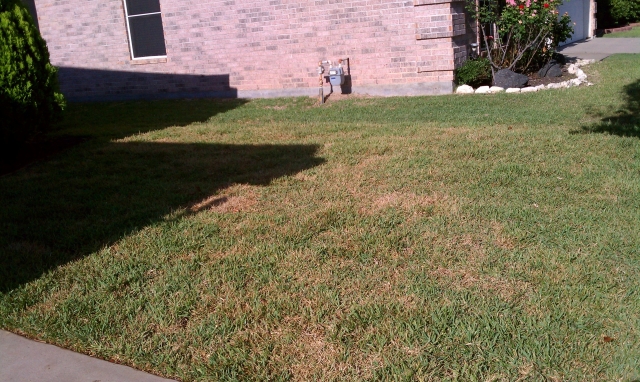
90% of lawn diseases stem from poor maintenance: brown patch from over-fertilizing/over-watering; dollar spot from drought/under-feeding; mowing too high causes thatch; wrong grass in wrong place (bermuda in shade) invit
‘Purple Majesty’ Millet: Hybrid Vigor, But Seeds Won’t Come True
This 2003 All-America Selections Gold Medal winner is an F1 hybrid—seedlings will vary, some not purple at all. It has a four-week “green period” before foliage turns purple. Collect seeds when swollen (or birds peck the
Collecting Cabbage Seeds: A Biennial Challenge
Cabbage is a biennial needing cool temperatures around the head to bolt. If it flowers, let pods dry to light brown before picking. Lower pods dry first; green pods rarely yield viable seed even if dried off the plant. S
Keep Butterfly Bush Blooming: Deadhead and Prune for New Growth
Butterfly bush blooms on new wood. Clip faded flowers whenever you pass by. Every three weeks, shorten a few branches by two feet to force fresh growth and more blooms.
Why Wave Petunias Keep Dying: Soggy Roots and Nursery Root Rot
Petunias hate wet feet. Nurseries often let them grow too large for pots, leading to root rot before purchase. Check lower stems for rot; roots should be white. Before planting, slit the root ball halfway up and spread r
Community-Wide Milky Spore for Japanese Beetles: Questions to Ask First
Milky spore kills Japanese beetle grubs but takes years to become fully effective. It doesn’t control other white grub species. Before a $100/home program, ask: Will residents accept a slow cure? Can someone ID grubs and
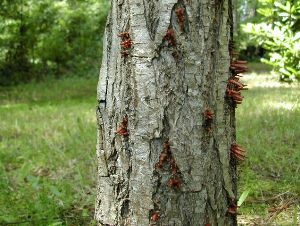
Willow Air Roots: Harmless and Temporary
Red growths on willow trunks are adventitious (water) roots triggered by high humidity or rain. They dry and die in weeks; pinch them off if desired. Muscadine grapes also produce “air roots” on older limbs under stress.
Maiden Grass Center Die-Out: Divide and Conquer
A dead center (“halo” effect) results from not cutting the clump down to 4–6″ each February. Debris accumulates, blocking new shoots. Fix: dig up the whole clump, divide into quarters, replant three elsewhere and one in
Deadheading Daylilies: Aesthetic, Not Essential
Some daylily varieties self-clean (flowers drop cleanly); others hold onto spent petals. Removing them improves appearance but isn’t required for plant health.
Daylily Proliferations: Free Clones on the Flower Stem
A leafy clump halfway up a daylily scape is a “proliferation”—an exact clone of the mother plant. Cut the stem a few inches above and below it, trim leaves to 2″, and plant the base in moist potting soil. Roots form in a
Dogwood Drought Stress: Will They Recover?
If dogwoods defoliated solely from drought/heat (not disease), they often leaf out next spring. Scratch twigs—green underneath means life. Practice “survival watering”: 2 gallons per inch of trunk diameter (at 4.5 ft) pe
Flowers in Vegetable Gardens: Pest Confusion and Beneficial Insect Habitat
Strategic Floral Diversity While flowers wont deter deer, they create olfactory complexity that confuses pest insects, reducing their ability to locate host crops. Diverse plantings also attract and sustain beneficial in
Copyright © www.100flowers.win Botanic Garden All Rights Reserved