


Bees and trees share a vital, ancient partnership. Many trees rely on bees for pollination, while bees depend on trees for abundant nectar and pollen. If you want to support local pollinators, planting the right trees is one of the most impactful steps you can take.
Trees offer a concentrated food source. A single mature tree can produce thousands of flowers, providing a massive foraging opportunity compared to smaller plants. Different species bloom at different times, extending the season of available nutrition from early spring through late summer.
Here is a curated list of excellent "bee trees" suitable for many regions:
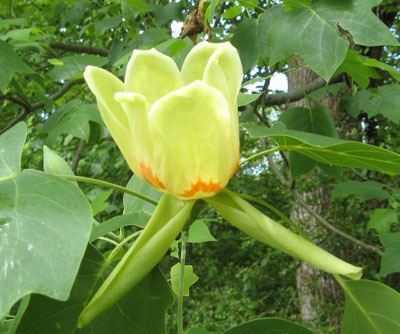
Tulip poplar flower – a magnet for honeybees in late spring.
Choose a variety of species to ensure a continuous bloom sequence. Plant trees in groups when possible to make foraging more efficient for bees. Avoid using systemic insecticides on or near these trees, as they can harm the very pollinators you aim to support.
Using Kaolin Clay for Fruit Tree Pest Control: What You Need to Know
Best Trees for Mobile Home Parks: Non-Invasive, Slow-Growing Options
Choosing Plants for an Enclosed Porch in Massachusetts
Thuja Green Giant for Kansas Privacy Hedge
Keep Your Christmas Tree Fresh All Season: Water, Cuts & Care
Caring for Live Oak Trees: Essential Maintenance for a Century of Beauty
Best Trees for a Large Atrium: Ficus, Black Olive, Avoid Palms
Premium Fruit Trees and Plants for Your Garden
How to Care for Cypress Trees: Universal Maintenance Guide
Ornamental Trees for Landscaping: Selection & Design Guide
Small Trees for Landscaping: Perfect Picks for Limited Spaces
Best Dwarf Trees for Containers: Patio & Balcony Picks
Copyright © www.100flowers.win Botanic Garden All Rights Reserved