Indoor Organic Gardening: Growing Food in Containers Year-Round
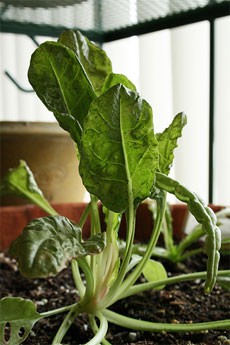
Many apartment dwellers assume organic gardening is impossible without outdoor space. Nothing could be further from truth—with several windows, you can grow abundant produce indoors. Container gardening lets you cultiva

Compost Gardening: How to Make and Use Compost for Organic Success
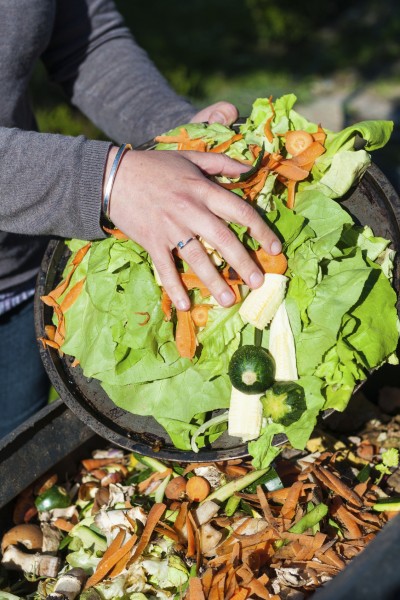
Ask any serious gardener their secret, and 99% will say: compost. For organic gardens, compost is absolutely critical. You can buy it, but making your own costs almost nothing and gives you complete control. Lets dive i
Five Compelling Benefits of Growing Your Own Organic Garden
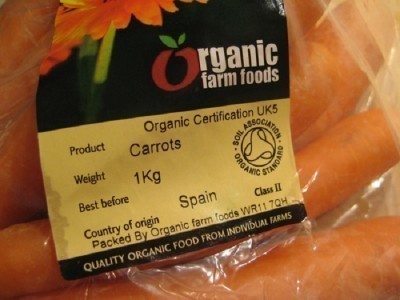
Organic food has moved from niche to mainstream—featured everywhere from newspapers to superstores. No longer just for treehuggers or aging hippies, organic produce has exploded into popular consciousness. But what are
How to Grow an Organic Garden: From Soil Building to Harvest
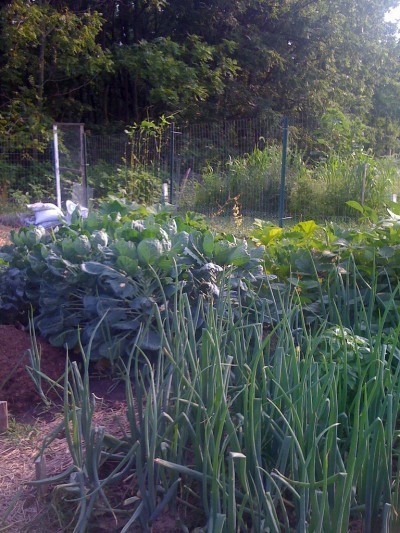
Nothing compares to the vitality and flavor of plants from an organic garden. Flowers, herbs, and vegetables all thrive under natural cultivation. Heres your roadmap to creating and maintaining a flourishing organic gar
Planning Your Organic Garden: 10 Essential Tips for Success
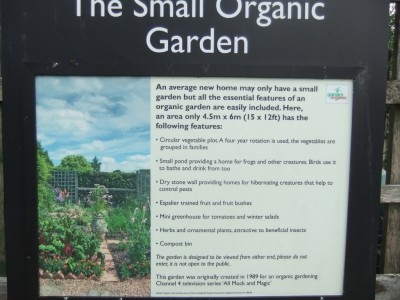
A thriving organic garden is absolutely achievable with solid fundamentals. It requires only slightly more effort than chemical-dependent gardening, but the rewards are far greater. Here are ten practical tips to launch
Building Healthy Organic Garden Soil: The Foundation of Abundant Harvests
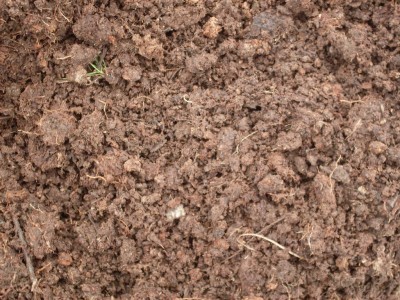
A thriving organic garden begins and ends with soil quality. Poor soil yields disappointing crops; rich, living soil produces exceptional vegetables and flowers. Heres how to build the organic matter and nutrient conten
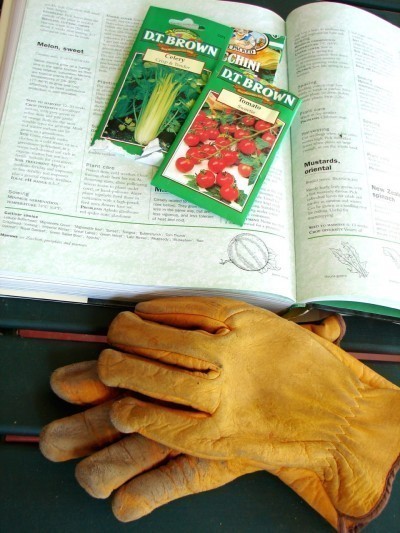
Designing Organic Gardens: The Definitive Reference Book Review
Whether motivated by health, environmental concerns, or lifestyle improvement, many people want to transition to organic gardening but struggle to find reliable, comprehensive guidance. Some grasp the core concepts; oth
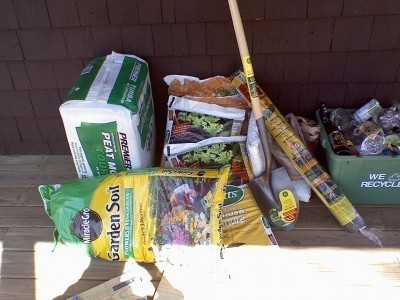
Essential Organic Gardening Supplies: Tools, Fertilizers & Pest Solutions
The basic tools of organic gardening—rakes, hoes, trowels, soil forks, shovels—are identical to conventional gardening. If you use raised beds, a tiller isnt essential, though a small one helps with new ground preparati
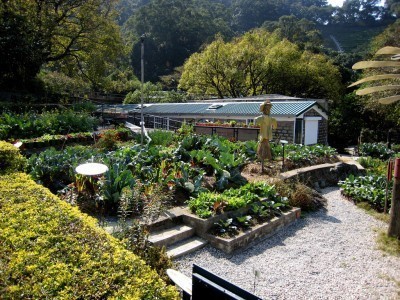
What Is Organic Gardening? A Complete Guide to Growing Naturally
Magazine headlines urge us to eat organic, farmers markets proudly display 100% organic signs—but what does organic gardening actually mean, and how can it benefit you? Lets break down the fundamentals of growing an org
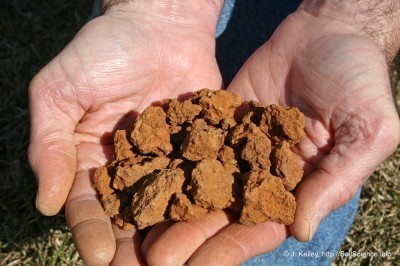
Transforming Heavy Clay Soil into Rich Garden Loam Organically
Some gardeners are blessed with naturally loamy, dark, crumbly soil thats a joy to work. If youre gardening on heavy clay, you know the frustration—digging feels like excavating concrete, and you envy those with perfect
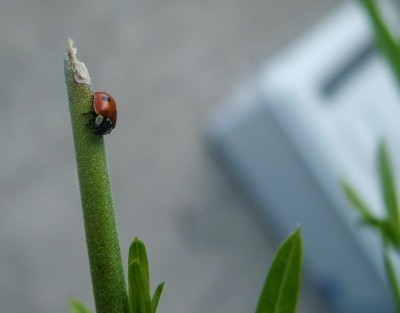
Natural Pest Control Strategies for a Thriving Organic Garden
Strolling down the aisles of any garden center, youll encounter shelves packed with chemical pesticides promising to eliminate every imaginable pest. These products can cost hundreds of dollars each season, but theres a
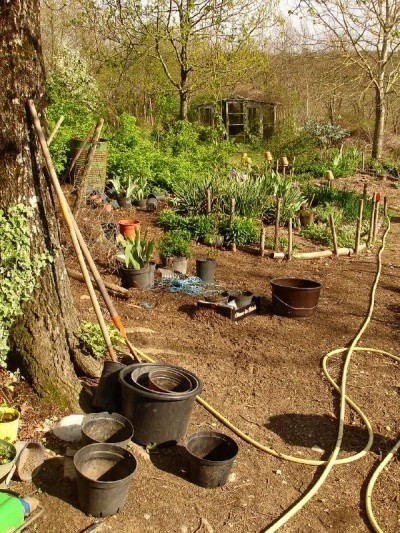
Permaculture Garden Design: Self-Sustaining, Wildlife-Friendly, Abundant
A permaculture garden mimics natural ecosystems: every element serves multiple functions, waste becomes resource, and the system largely maintains itself once established. Core Practices Edible landscaping & compan
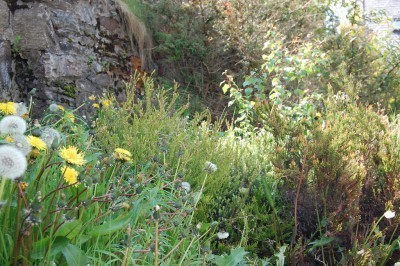
Natural Weed Control: Hand Pulling, Mulch, Goats, Vinegar, and Smart Tolerance
Weeds are plants out of place. Chemical herbicides should be a last resort. Here’s a toolkit for managing them naturally. Weed Types Matter Annuals (crabgrass, chickweed): live 1 year; prevent seed set. Biennials (mull

Pet-Safe Homemade Weed Killers: Boiling Water, Vinegar, Salt, Sugar, Cornmeal
Five household ingredients can kill weeds without endangering pets. Each has a niche; combining them increases efficacy. Methods Boiling water: Instant kill for driveway/sidewalk cracks. Kills everything—no selectivity
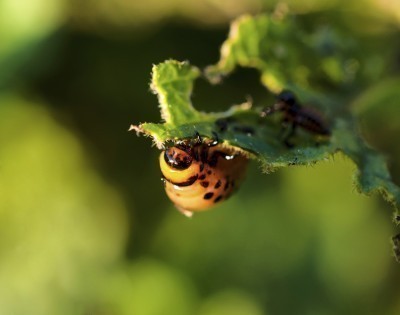
Homemade Organic Pesticides: Recipes, Risks, and Best Practices
DIY pesticide sprays can be cheap and effective, but they kill beneficials indiscriminately. Use only when pest damage exceeds tolerance, and always test on a few leaves first. Three Common Recipes Garlic-Oil-Soap: 1 h
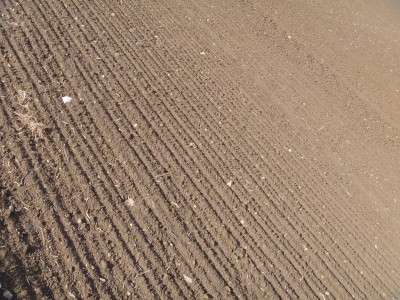
Biointensive Gardening: Deep Soil, Close Spacing, Maximum Yields
Biointensive gardening (John Jeavons’ method) builds deep, fertile soil through double-digging (24 in) and heavy composting, then plants crops in close, hexagonal spacing—interplanting tall and short species (e.g., pepp
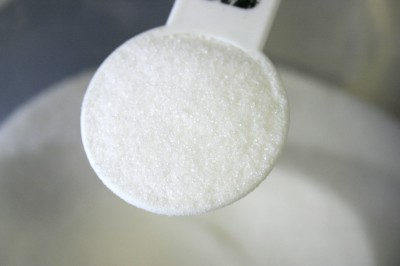
Sugar for Weed Control: How Carbon Loading Suppresses Weeds
Sugar (a carbon source with zero nitrogen) stimulates soil microbes to immobilize soil nitrogen, temporarily creating a low-nitrogen environment that favors deep-rooted perennials (like grass) over shallow-rooted annual
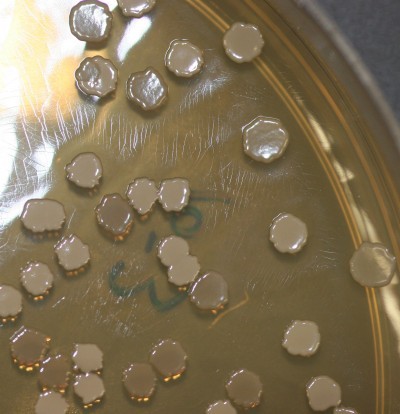
Biofungicides: Beneficial Microbes for Plant Disease Prevention
Biofungicides are formulations of beneficial fungi and bacteria (Trichoderma, Bacillus, Streptomyces species) that colonize the rhizosphere and suppress soil-borne pathogens (damping-off, root rots, wilts) through compe
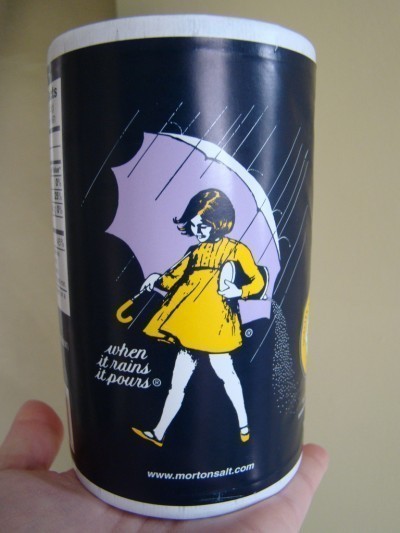
Salt as a Weed Killer: Recipe, Application, and Cautions
Salt (sodium chloride) dehydrates plants and disrupts cellular water balance. It’s a cheap, accessible spot-treatment for weeds—but it sterilizes soil, so use with extreme caution. Recipe Dissolve salt in water at 3:1 w
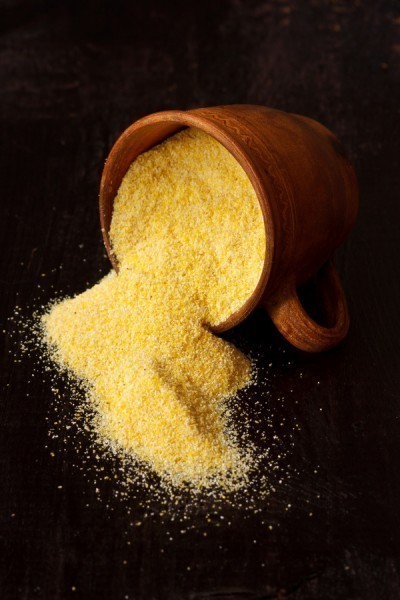
Cornmeal Gluten: Natural Pre-Emergent Weed Control and Ant Bait
Corn gluten meal (CGM)—a byproduct of corn wet-milling—is a natural pre-emergent herbicide that inhibits seed germination. It won’t kill existing weeds but prevents new ones from sprouting. It also acts as an ant bait:
Copyright © www.100flowers.win Botanic Garden All Rights Reserved