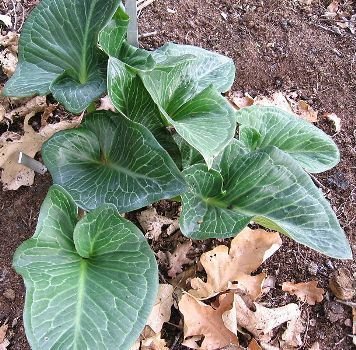


Pet-Safe Fertilizers: Options and Precautions for Dog-Friendly Lawns
Pets explore with their mouths. Choosing fertilizers that won’t harm them—and applying them safely—is essential for a worry-free yard. Safer Fertilizer Choices Seaweed/kelp: Liquid or meal; rich in micronutrients, low

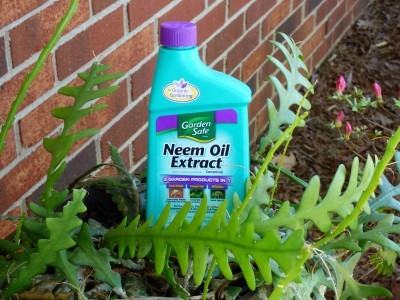
Organic Pesticides: Types, Safety, and Homemade Recipes
Organic pesticides are derived from natural sources (plants, minerals, microbes) rather than synthetic chemistry. They break down faster, target more narrowly, and leave lower residues—but they are still pesticides and
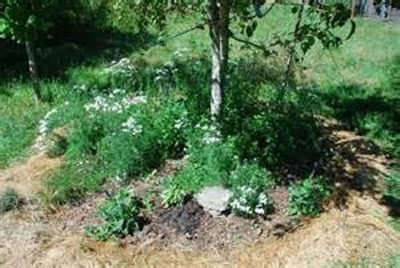
Tree Guild Permaculture: Build a Self-Sustaining Fruit Tree Ecosystem
A tree guild is a permaculture design that centers a productive fruit/nut tree with complementary understory plants—each serving a function (nitrogen fixation, pest deterrence, pollinator attraction, ground cover, food

Troubleshooting Tomato Plants: A Step-by-Step Guide
Keep Your Tomatoes Healthy and Productive Tomatoes are Americas favorite garden vegetable but face many issues from weather, soil, watering, and pests. Most problems are preventable or controllable with good practices.
How to Apply Organic Fertilizer for Maximum Garden Benefits
Boosting Soil Fertility Naturally Whether store-bought or homemade (compost, manure), organic fertilizer improves plant health, size, and productivity without harsh chemicals. Follow these steps for effective application
Troubleshooting Worm Compost Bins: Common Problems & Fixes
Keeping Your Vermicompost System Healthy Indoor worm composting lets you recycle kitchen scraps year-round, even in apartments. But worms need specific conditions. Heres how to diagnose and fix the most common issues. T
Natural Lawn and Shrub Treatments: DIY Fungicide, Pesticide, and Fertilizer Recipes
Why Go Natural? Conventional lawn chemicals—pesticides, herbicides, fungicides, and synthetic fertilizers—carry documented risks to environmental and human health. The growing natural lawn care movement offers effective
Common Banana Tree Diseases: Identification and Management
Protecting Your Banana Crop The banana plant (Musa spp.) is a tropical herbaceous perennial prized for its fruit. Native to Asia, these trees face several serious diseases that can devastate production. Black Sigatoka A
Marigolds and Tomatoes: Companion Planting Facts & Myths
A Classic Garden Pairing Bright marigolds among tomatoes add beauty and, as generations of gardeners believe, practical benefits. Originating in South America and bred by Aztecs, marigolds arrived in North America in the
Organic Garden Pest Control: Building a Balanced Ecosystem
Prevention Over Eradication Organic pest control aims not to eliminate all insects, but to create a diverse, stable ecosystem where pest populations stay naturally low. A healthy garden tolerates some damage while mainta
Troubleshooting Pepper Plants: From Seed to Harvest
Starting Peppers Right Plant peppers in full sun 1–2 weeks after the last frost. Sweet and hot peppers share the same cultural needs. Some gardeners hill soil to improve drainage. Seeding and Transplanting Start seeds
Rock vs. Organic Mulch: Choosing the Best Landscape Cover
Understanding Your Mulch Options Mulch falls into two categories: organic (pine bark, cedar chips, pine straw) and inorganic (pea gravel, stones). Both have distinct advantages and drawbacks; the right choice depends on
Organic Vegetable Farming: Traditional Wisdom for Modern Growers
Returning to Time-Tested Methods Organic vegetable farming isnt a trend—its the oldest, most cost-effective way to grow food. Before industrial monocultures, family farms grew diverse crops together, recycled plant waste
Understanding Organic Fertilizers: Types, Labels & Application
What Makes a Fertilizer Organic? Organic fertilizers are derived from plant and animal waste, but to carry the organic label, they must meet strict purity standards—even tracing back to the diet of the source animals. Ch
Preparing Soil for an Organic Garden: A Season-Ahead Approach
Laying the Groundwork for Organic Success Organic soil building takes time. Begin preparations at least one full growing season before planting to allow amendments to break down and integrate. For best results, consult a
Why Choose Organic Vegetables? Benefits for Health & Environment
Understanding Organic Vegetables Organic vegetables are grown without synthetic pesticides, herbicides, fumigants, or chemical fertilizers. This traditional cultivation method—predating 20th-century chemicals—has surged
Organic Garden Essentials: Fertilization, Weed & Pest Control
Natural Methods for a Healthier Garden Organic gardening relies on natural soil amendments, weed suppression, and pest management to create a resilient, productive garden. Over time, these methods build soil health, resu
Easy Organic Vegetable Gardening: Green Manure, Compost & Companion Planting
Simple, Natural Techniques for a Healthy Vegetable Garden Organic gardening means using only natural products and methods to grow food, ensuring your harvest is free of harmful chemical residues. These four straightforwa
10 Steps to a Successful Organic Vegetable Garden
Building a Holistic Organic Garden Organic vegetable gardening goes beyond simply swapping synthetic chemicals for natural ones. Its about fostering a healthy, balanced ecosystem where plants thrive and pests are kept in
How to Start a Thriving Flower Garden: A Beginner's Guide
Planning Your Flower Garden for Success A vibrant, colorful flower garden is within reach for any beginner with a bit of thoughtful planning. By following a few fundamental steps before you even plant, you can enjoy beau
Copyright © www.100flowers.win Botanic Garden All Rights Reserved