


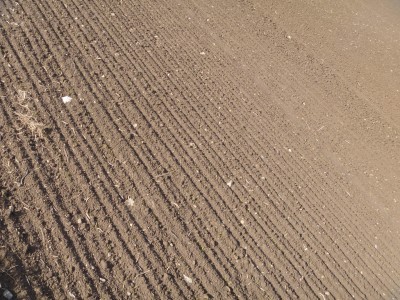
Biointensive gardening (John Jeavons’ method) builds deep, fertile soil through double-digging (24 in) and heavy composting, then plants crops in close, hexagonal spacing—interplanting tall and short species (e.g., peppers above lettuce)—to maximize yields in minimal space without machinery.
Lettuce (low, fast) + peppers (tall, slow) + onions (bulb barrier) + basil (pest deterrent) in one bed. Each occupies a different niche; together they yield more than monoculture rows.
Biointensive is a holistic system for small-scale, high-nutrition food production—soil-building and space-efficient by design.
Creating Planting Beds: Why Newspaper Layers Fail and Better Methods
Spring Soil Amendment for Established Perennial Beds
Growing Begonias in Sphagnum Moss Globes: A Soil-Free Success
Planting Colorado Blue Spruce Seedlings: Spacing, Soil, and Watering
Streamside Planting: Erosion Control and Natural Beauty
Planting Wildflowers: Site Prep, Sowing, Bird Protection, and After-Bloom Care
Planting Pansies for Winter Color: Soil, Size, Fertilizer & Cold Protection
Planting Conifers in Connecticut: Timing, Technique, and Care
Skip the Superphosphate in the Planting Hole: Better Rose Nutrition Strategies
Planting Trees in Clay Soil: The "Bowl Effect" Debate
Herb Gardening in Tanzania (Tropics): Shelter, Soil, Species Selection
Yellow Globules in Potting Soil: Fertilizer Pellets, Not Insect Eggs
Planting Purple Coneflower Seeds in Fall vs. Spring in Green Bay, Wisconsin (Zone 5)
Copyright © www.100flowers.win Botanic Garden All Rights Reserved