


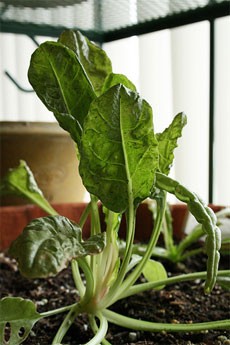
Many apartment dwellers assume organic gardening is impossible without outdoor space. Nothing could be further from truth—with several windows, you can grow abundant produce indoors. Container gardening lets you cultivate nearly anything organically, regardless of outdoor access.
Almost any vegetable adapts to containers. Pots, hanging baskets, and various containers work for vegetables, herbs, and flowers. The key: match container size to mature plant size—larger plants need larger containers.
Quality organic potting soil and pre-packaged compost are available at garden centers. Purchase only strong, healthy plants and seeds—they'll be your best producers.
Acclimate new plants in a sunny window for 1-2 days before transplanting. Then follow these specifics:
Tomatoes: Individual 8+ inch pots. Plant deep (roots 1+ inch below soil line). Provide a stake for support. South-facing window. Water when soil feels dry.
Bush beans: Direct-sow in 8+ inch containers. Runner beans & peas: Hanging baskets let vines drape naturally. Morning or evening light works if south-facing isn't available.
Leaf lettuce: Adapts to almost any container. Follow seed packet density guidelines. Morning sun ideal.
Squash (conversation piece!): Remove curtains from a south window, leave rod in place. Hang baskets of single-variety squash at each end. Train vines up the curtain rod. By summer's end: harvest squash AND enjoy a living curtain.
Corn: Needs large container but makes striking indoor specimen. Plant handful of seeds 1 inch deep around container perimeter. Thin to 3-5 strongest plants. Keep soil consistently moist. Yields several meals of fresh corn.
Kitchen herbs (oregano, thyme, basil, rosemary) thrive together in a kitchen window box. Chives prefer their own container—ideal over the kitchen sink where dishwashing steam provides humidity. Harvest as needed, trim to control size.
Sprouts – Zero space? Grow sprouts! Organic alfalfa, mung beans, or other sprouting seeds from health food stores. 1 tablespoon seeds in a quart jar with cloth cover (secured with rubber band). Soak overnight, then drain and rinse twice daily. Ready in 3-5 days. Move to window to green up before eating.
Indoor organic container gardening delivers fresher, healthier produce than any grocery store—year-round, right in your living space.
Organic Seeds: Required for Certification, Optional for Home Gardens
Organic Rose Care for Beekeepers: Japanese Beetles, Black Spot, and Fertilizer
Organic Container Vegetable Gardening: Seeds, Soil, and Success Factors
Organic Indoor Gardening: Hydroponic Systems for Year-Round Harvests
Organic Container Vegetable Gardening: Complete Beginner's Guide
Organic Container Gardening: Container Selection, Drainage, and Mobility for Success
Indoor Vegetable Container Gardening: A Complete Guide for Small Spaces
Choosing the Right Container for Your Rose: Size Matters for Long-Term Health
Companion Plants for a Sarracenia Mini-Bog Container
Organic Gardening Book Gift: Howard Garrett's "The Organic Manual"
Florida St. Augustine Organic Weed Control: Soil Test First
Container Vegetable Soil Mix, Drainage & Watering in Texas
The Benefits of Organic Gardening: Health, Environment, and Natural Methods
Indoor Container Vegetable Gardening: Fresh Produce in Limited Space
Copyright © www.100flowers.win Botanic Garden All Rights Reserved