


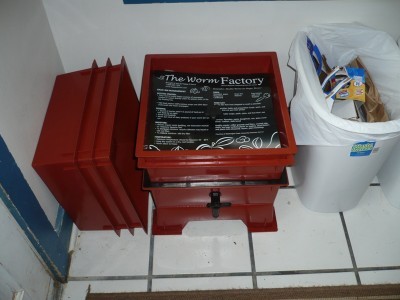
Composting reduces waste, helps environment, keeps landfills free of organics. Kitchen vermiculture creates nutrient-rich fertilizer from worm castings for your garden. Convenient, eco-friendly, mess-free.
Worms are unfussy: organic food, moist earthy bed, warmth. First step: create indoor worm composting bins. Soon you'll feed kitchen scraps, reduce waste, build amazing soil amendment.
Takes little space. Best varieties: red wigglers. Eat body weight daily; castings = rich plant fertilizer.
Build small wooden box or adjust plastic bin.
Feeding guidelines:
Trial and error finds right food amount. Weeks later: scraps/bedding broken down, clean-smelling. Remove castings, restart with handful of worms. Cycle continues with clean bin, small appropriate scraps, healthy red wigglers.
Vermicomposting Basics: Setting Up and Managing a Worm Composting System
Wood Putty Mastery: Types, Applications & Pro Tips
Build Your Own Compost Turning Unit: Barrel & 3-Bin Systems
Compost Turning Systems: Barrel Tumblers and Multi-Bin Designs
Kitchen Composting: Simple Methods for Recycling Food Scraps
Wild Rose Mossy Galls: Robin's Pincushion Gall Wasp
Backyard Landscaping: Creating Your Personal Sanctuary
Easy Kitchen Cabinet Updates: Hardware, Hinges, and Organizers
Composting Dryer Lint: A Simple Carbon Boost for Your Pile
Composting Dryer Lint: A Simple Carbon Source for Your Pile
Hot Climate Vermiculture: Keeping Worms Alive in Summer Heat
Worm Composting Bins: DIY Guide to Building Your Own Vermicompost System
Copyright © www.100flowers.win Botanic Garden All Rights Reserved