


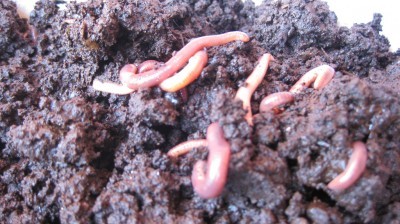
Vermicomposting uses red worms to break down food waste. Worms housed in cardboard box, plastic bin, or wooden structure with bedding and drainage/aeration holes.
Earthworm vermicompost = castings = nutrient-rich plant food. Learn to handle issues for healthy worms and rapid waste breakdown.
Simple bins, but problems arise from incorrect construction. Insufficient holes = too moist, food rots, inadequate drainage, worms drown.
Bedding choice critical for delicate balance. Needs slight moisture, moderate pH. Paper/cardboard dry too fast. Peat moss = low pH, bad for worms.
Outdoor vermicomposting relies on worm mobility. Containerized = you provide ideal habitat.
Position bin in warmth: optimum 50-80°F (10-26°C).
Cut food small for quick breakdown, prevents mold. Worms eat most human-digestible scraps—avoid greasy, smelly, animal products (cause rotten castings or won't break down).
Minimize problems: follow container, site, moisture, food guidelines.
Gnats/flies occasionally hover. Gnats = too moist soil. Fix: lid off to dry, reduce watering, add extra bedding to distribute moisture.
Flies = attracted to food. Large/unburied pieces = irresistible lure.
Other pests uncommon. Outdoor bins attract beetles, sow bugs, other decomposers. Strong-smelling bins attract raccoons, scavengers.
Once food → castings, mix into garden soil. Remove half for garden, save half as "starter" over fresh bedding with new scraps.
Vermicomposting problems avoidable with constant temperature, moisture, proper food scraps.
Pear Trees Producing Only Tiny Fruit: Graft Failure
Stop Moth Infestations in Fruit Trees: Spray Early, Spray Often
German Cockroach Elimination: A Complete Action Plan
Solving Common Lawn Problems: Weeds, Pests, Weather, and Pets
Vermicomposting Mastery: Worm-Powered Soil Fertility for Vegetable Gardens
Effective Strategies to Eliminate Garden Snails Naturally and Chemically
Kitchen Vermiculture: Under-Sink Worm Composting for Urban Gardeners
Keeping Bees Away from Hummingbird Feeders
Protecting Pear Trees from Squirrels: Trapping, Trunk Barriers, and Why Repellents Fail
Phalaenopsis in Moss: Yellow Leaf, Bud Drop & Repotting Fix
Troubleshooting a Declining Pilea
Organic Pest Control: Safe, Effective Methods for a Healthy Garden
Best Worms for Vermicomposting: Red Wigglers and Redworms
Vermicomposting Do's and Don'ts: Complete Feeding Guide for Compost Worms
Copyright © www.100flowers.win Botanic Garden All Rights Reserved