


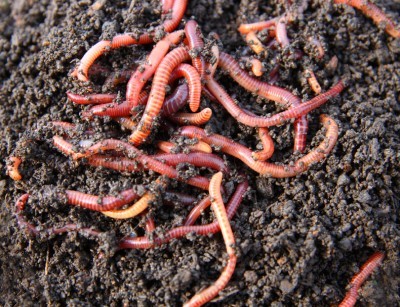
Worms play vital roles in soil construction and organic waste recycling. Part of organism networks turning refuse into nutrient-rich soil. Nutrients = key benefit for plant growth. Worms also cultivate: increase porosity, allow oxygen to roots. Encourage earthworms or try worm composting for life-giving castings.
Worms tunnel, eat organic matter, excrete castings. Abound at ~70°F (21°C). Extremes of cold/heat/moisture reduce activity. Most active in moderately warm, moist soil.
Tunneling enhances water percolation. Loosens soil for oxygen to roots/aerobic bacteria. Looser soil = deeper root penetration = bigger, healthier plants. Biggest benefit: turning garbage into fertilizer.
Fertilizer = castings (worm poop from organic waste processing). Excellent plant nutrients, but casting hills in grass = visually unappealing, trip hazard. Benefits far outweigh inconvenience. 5,000 worms/acre = 50 tons beneficial castings.
Avoid deep tilling (damages permanent burrows). "Feed" worms: organic layers (grass clippings, leaf litter, natural compostables). No pesticides (kill worm populations). Transplant worm-laden soil to worm-poor areas—they'll populate. Worm eggs available at nurseries/online. Vermicomposting attracts beneficial creatures.
Use recycling abilities on kitchen scraps. Red wigglers = choice for vermicomposting (bin-based). Earthworms dig/try escaping. Placid red wigglers compost quickly, provide compost tea.
Line bin with newspaper/shredded organics, layer quality compost. Add finely cut kitchen scraps, worms, light soil dusting. Keep lightly moist, lid with air holes. Scrape finished product aside, add more. Small setup = similar benefits, smaller scale.
Learn more about earthworm benefits:
https://www.youtube.com/watch?v=Ry-9F87cGJs
Multiple Plants Dying in Garden: Suspect Fungal, Drainage, or Rodent Issues
Vegetable Garden Design for Food Security: Planning, Layout, and Maximum Yield
Composting Leaves: The Complete Guide to Making Leaf Mold & Leaf Compost
Discover the Better Homes and Gardens Test Garden
Praying Mantis Egg Sacs: Find, Hatch & Release for Pest Control
Composting Leaves: Create Rich Garden Soil from Fall Foliage
The Benefits of Community Gardens: Growing Food, Connection & Resilience
Wisteria Bonsai Cultivation: Pruning, Repotting, and Flowering Secrets
3 Benefits of No-Till Gardening: Healthier Soil, Fewer Weeds, Less Work
Growing Tomatoes in Your Garden: A Practical Starter Guide
Five Science-Backed Benefits of Gardening for Mind and Body
The Many Benefits of a Home Garden: Beauty, Food, and Family Learning
Copyright © www.100flowers.win Botanic Garden All Rights Reserved