


Worms thrive at 55-80°F (12-26°C). Cold kills by freezing; heat is equally dangerous unwatched. Hot weather care = natural air conditioning for worm bins.
High heat + worm bins = bad combo, but with preparation, vermicomposting works in heat.
Extreme heat kills entire populations if unaddressed. Survivors become sluggish, sick, useless. In hot climates (Florida, Texas), install bins for maximum cooling.
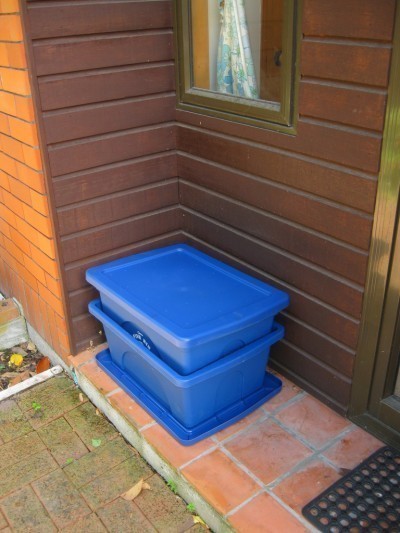
Placement is step one. North side of house = least sunlight = least heat. Build/expand bins in maximum shade during hottest hours.
Worms slow down in heat—stop feeding, rely on natural sustainment until cool. Extra food rots, causes disease.
In hottest areas: consider Blue Worms or African Nightcrawlers instead of Red Wigglers. Tropical natives survive heat waves better.
Water daily. Evaporating moisture cools surroundings, keeps worms comfortable.
Indoor Heather (Erica) Care: A Challenge for Beginners
Choosing Tomato Types for Hot Climates: Determinate vs. Indeterminate
Caring for Orchids: A Guide to Popular Varieties
Knockout Roses: The Low-Maintenance, Disease-Resistant Choice
Fruit Tree Care: Pruning for Health, Structure, and Abundant Harvests
Caring for Fruit Trees: A Seasonal Guide to Healthy Harvests
Bamboo Plant Care: Selection, Watering, and Long-Term Maintenance
Starting a Worm Farming Business: From Hobby to Commercial Vermicompost
Orchid Care Essentials: Water, Light, Fertilizer, and Repotting
Best Worms for Vermicomposting: Red Wigglers and Redworms
Caring for Camellias: Sun, Soil, Water, and Fertilizer Essentials
Bulb Care Essentials: Watering, Fertilizing, and Dividing for Repeat Blooms
Low-Maintenance Ground Cover Care: Water, Fertilize, Weed, and Prune
Copyright © www.100flowers.win Botanic Garden All Rights Reserved