


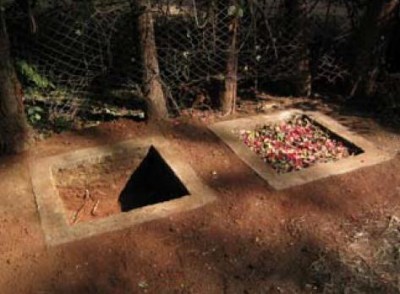
Trench composting is the oldest, simplest method: dig a hole, bury waste, let soil life do the work. The Pilgrims learned it from Native Americans burying fish with corn. Today, it's still a low-effort way to recycle scraps and enrich beds.
Two-year rotation: Alternate trench and planting area annually. Full year for breakdown.
Three-year cycle: Trench → walking path (bark mulch) → planting area. Rotates each year. Maximizes decomposition time.
Trench composting builds soil fertility right where plants need it—no turning, no bins, no hassle.
Backyard Composting: Complete Guide to Garden Gold
What Is Composting? Process, Types, and Home Systems Explained
Why Learn to Compost? Waste Less, Grow More
Becoming a Master Gardener: Training, Volunteer Work, and Community Impact
Air Layering: Simple Propagation for Woody Plants
Composting with Hay Bales: Build a Bin That Becomes Compost Itself
Composting with Hay: Building Bins and Testing for Herbicide Contamination
Understanding Plant Bracts: The Colorful "False Petals"
Volunteer Plants: Managing Self-Sown Seedlings in Your Garden
Plant Layering Techniques: Simple, Tip, Serpentine, Mound, and Air Layering
Can You Compost Sweetgum Balls? Only in a Hot, Patient Pile
Composting Dryer Lint: A Simple Carbon Boost for Your Pile
Using Wood Ash in Compost & Garden: Benefits, Risks & Best Practices
Olla Irrigation: Ancient Clay Pot Watering System for Modern Gardens
Copyright © www.100flowers.win Botanic Garden All Rights Reserved