


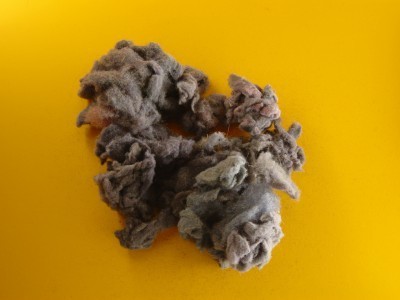
Dryer lint = easy brown (carbon) material. Not a nutrient powerhouse, but balances green-heavy piles and adds fiber.
Collect in laundry room container (cut milk jug, hanging bag). Add each lint trap cleaning. When full, spread over pile, moisten, mix with rake/shovel.
Requires balanced greens/browns, soil, moisture for complete decomposition. Lint helps correct green-heavy imbalances.
Composting for Profit: Transforming Waste into Garden Wealth
Why Learn to Compost? Waste Less, Grow More
What to Compost (and What to Keep Out) for a Healthy, Safe Pile
Composting Nut Shells: A Slow but Valuable Carbon Source
What to Compost (and What to Avoid): Complete Guide to Safe Ingredients
Composting Potato Haulms: Assessing Risks and Best Practices
Composting Nut Shells: Carbon-Rich Amendment from Kitchen Waste
Driveway Paving Options: Materials, Thickness, and Maintenance
3 Composting Myths You Can Safely Ignore
Build Your Own Compost Turning Unit: Barrel & 3-Bin Systems
Trench Composting: Bury Kitchen Scraps Directly in the Garden
Composting with Hay Bales: Build a Bin That Becomes Compost Itself
Trench Composting: The Simple, No-Turn Method for Garden Fertility
Composting with Hay: Building Bins and Testing for Herbicide Contamination
Copyright © www.100flowers.win Botanic Garden All Rights Reserved