


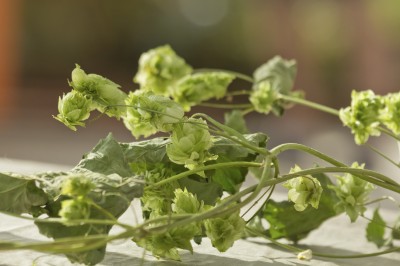
Spent hops are nitrogen-rich and excellent for compost—similar to other green materials. But there's a critical safety consideration for pet owners.
Combine hops (wet, warm) with adequate browns (shredded paper, sawdust, dry leaves) to prevent anaerobic conditions (soggy, oxygen-deprived, smelly). Turn regularly. Add woody twigs/branches for air pockets.
Moisture test: Squeeze handful. Water drips = too wet (add browns). Crumbly/dry = too dry (add water). Clumps, hands damp = perfect.
Do not compost hops if you have dogs. Hops are extremely toxic and potentially fatal to canines. ASPCA confirms: ingestion causes uncontrolled hyperthermia, seizures, death within 6 hours without aggressive treatment. Some dogs more susceptible, but don't risk it.
Cats may also be affected, though typically less likely to consume hops.
If you have dogs, keep hops out of your compost entirely.
Composting Basics: Building and Maintaining a Pile
Backyard Composting: Complete Guide to Garden Gold
Composting 101: Ventilation, Temperature, Moisture, and Mix for Fast Decomposition
Composting 101: Turn Kitchen and Yard Waste into Garden Gold
Composting Mastery: Pro Tips for Nutrient-Rich Black Gold
Start Composting at Home: The Beginner's Guide to Heap Composting
Composting for Beginners: Simple Steps to Start a Compost Pile
US Organic Compost Standards and the Value of Natural Nutrients
3 Composting Myths You Can Safely Ignore
11 Compelling Reasons to Start Composting Today
Composting Human Waste: Why It's Risky for Home Gardens
Composting Pine Needles: Myths, Tips, and the 10% Rule
Composting Human Waste: Safety, Regulations, and the Humanure Debate
Copyright © www.100flowers.win Botanic Garden All Rights Reserved