


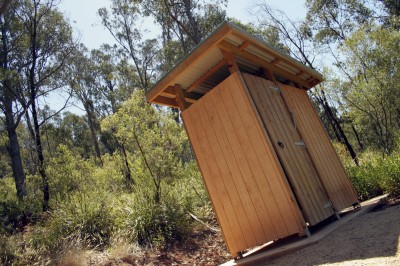
Humanure (composted human waste) is debated in sustainable living circles. Most experts consider home composting unsafe for edible gardens. Here's the nuanced reality.
Human waste contains pathogens (viruses, bacteria) not reliably eliminated by home composting. Unsafe for vegetables, berries, fruit trees, edible plants.
Industrial facilities: Achieve safe products (biosolids) via sustained high-temperature processing, EPA regulation, and testing. Used in agriculture but controversial among environmental groups.
Proponents use composting toilets (commercial or DIY bucket systems). Waste mixed with sawdust, clippings, kitchen waste, newspaper. Requires sustained high temperatures to kill pathogens. Commercial units sometimes approved; homemade systems rarely approved by sanitation authorities.
For home gardens, the risks outweigh benefits. Stick to vegetarian manures and plant-based compost.
Humanure for Rural Africa: Science, Safety, and WHO Guidelines
Human Waste Compost: Why It's Unsafe for Horticulture
US Organic Compost Standards and the Value of Natural Nutrients
Composting Pine Needles: Myths, Tips, and the 10% Rule
Composting Sawdust: Safe Wood Types, Chemical Concerns & Carbon Management
How to Compost Pine Needles: A Complete Guide for Gardeners
Using Sawdust in Your Compost Pile: A Woodworker's Garden Gold
Organic Composting: Turn Waste into Garden Gold
Recycling and Composting: Cut Trash by 75%
Composting Grass Clippings: Turn Lawn Waste into Garden Gold
Composting Made Simple: Turn Waste into Garden Gold
A Brief History of Composting: From Ancient Rome to Modern Tumblers
Unexpected Household Items You Can Compost (And a Quick Compost Primer)
Copyright © www.100flowers.win Botanic Garden All Rights Reserved