


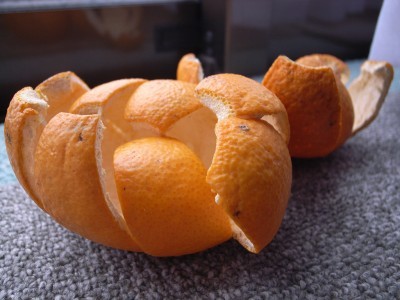
For years, gardeners were told citrus peels don't belong in compost: they kill worms, take forever to break down, and introduce pesticides. Modern science says otherwise. Citrus peels are perfectly compostable—they just need a little management. Here's the truth behind the myths.
| Myth | Reality |
|---|---|
| Citrus kills worms & beneficial insects | False. Oils (d-limonene) deter worms initially, but break down rapidly in active compost. No harm to soil life in finished product. |
| Too acidic for compost | False. Initial pH ~3–4, but microbial action neutralizes to ~6.5–7.5 in finished compost. Pile buffering handles it easily. |
| Pesticides contaminate compost | Mostly false. Commercial citrus has antimicrobial wax; residues degrade in hot compost. Organic citrus = zero concern. |
| Take forever to decompose | Partly true. Thick, waxy rinds resist breakdown. Solution: chop finely. |
Worms avoid fresh citrus due to d-limonene. Options:
Green/blue mold on citrus is Penicillium. Concerns:
If you see mold on peels in your active pile, turn and ensure heat. It will disappear.
Strong citrus scent repels raccoons, rats, dogs, and cats from the compost pile. A perimeter of peels can protect the whole heap.
Citrus peels are a valuable, underused compost resource. Chop them, heat your pile, and turn waste into garden gold—while keeping scavengers away.
Backyard Composting: Complete Guide to Garden Gold
Composting 101: Turn Kitchen and Yard Waste into Garden Gold
Organic Garden Success: Feed the Soil, Not the Plants—Compost, Biology, and Natural Fertility
Start Composting at Home: The Beginner's Guide to Heap Composting
The Ultimate Composting Guide for Beginners: From Basics to Advanced
Composting for Beginners: Simple Steps to Start a Compost Pile
The Ultimate Beginner's Guide to Composting: From Basics to Advanced Techniques
Can You Compost Citrus Peels? Tips for Faster Breakdown
Composting Basics: Building and Maintaining a Pile
Composting 101: Ventilation, Temperature, Moisture, and Mix for Fast Decomposition
Composting Mastery: Pro Tips for Nutrient-Rich Black Gold
3 Composting Myths You Can Safely Ignore
Urban Composting: Turn Kitchen Scraps into Garden Gold Anywhere
Copyright © www.100flowers.win Botanic Garden All Rights Reserved