


1. Home
  2. Question and Answer
  3. Houseplants
  4. Garden Articles
  5. Most Popular Plants
  6. Plant Nutrition

Composting Cardboard: Which Types Are Safe & How to Do It Right

Cardboard makes up over 31% of U.S. landfill waste, but it's also a fantastic carbon source for compost. With the rise of online shopping, most households have a steady stream of boxes. The good news: most cardboard is compostable—if you know which types to use and how to prepare them.

Cardboard Types: What's Safe to Compost

✅ Safe & Ideal

  • Corrugated cardboard (shipping boxes, packing material) – Best choice. High carbon, breaks down well when shredded.
  • Flat cardboard (cereal boxes, shoe boxes, toilet paper tubes) – Also excellent. Remove tape and labels first.

⚠️ Use with Caution

  • Wax-coated or laminated cardboard (produce boxes, coffee cups, pet food bags) – The wax or plastic lining resists decomposition and may leave microplastics. Avoid if possible, or shred finely and expect very slow breakdown.
  • Heavily printed/glossy cardboard – Modern inks are soy-based and non-toxic, but thick clay coatings on glossy boxes slow decomposition. Shred well and use sparingly.

❌ Never Compost

  • Cardboard contaminated with motor oil, chemicals, or non-organic substances.
  • Cardboard with foil linings (some insulated shipping boxes).

Preparing Cardboard for Compost

  1. Remove all tape, labels, staples, and plastic windows. These don't break down.
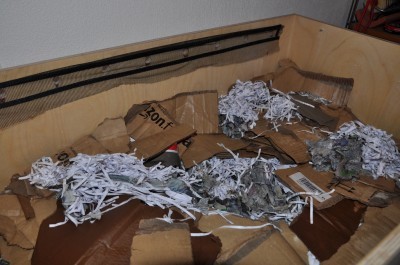
  2. Shred or tear into small pieces (2–3 inch strips ideal). A paper shredder works for flat cardboard; box cutters for corrugated. Smaller pieces = faster decomposition and better aeration.
  3. Soak in water (with a drop of liquid soap) for 15–30 minutes before adding. This jumpstarts microbial activity and prevents the cardboard from wicking moisture from the pile.

Building a Cardboard-Rich Compost Pile

Use the lasagna method for best results:

  1. Base layer: 4 inches shredded corrugated cardboard + other browns (straw, dry leaves).
  2. Green layer: 4 inches nitrogen-rich material (grass clippings, food scraps, manure).
  3. Soil layer: 2 inches garden soil or finished compost (inoculates with microbes).
  4. Repeat to 3–4 feet high (approx. 4 cubic feet minimum for heat retention).
  5. Keep moist as a damp sponge. Cardboard absorbs excess water—add more if soggy, water if dry.
  6. Turn every 5–7 days with a pitchfork. Expect finished compost in 6–8 months.

Pro Tips

  • Cardboard is a "brown" (carbon) material. Maintain roughly 4:1 brown-to-green ratio by volume.
  • If your pile smells ammonia-like, add more cardboard/browns.
  • If it's slow to heat, add more greens or a nitrogen booster (blood meal, urine).
  • Worm bins love shredded, soaked cardboard as bedding and food.

By composting cardboard, you divert waste from landfills, create rich humus, and improve soil structure—all from boxes you'd otherwise recycle or trash.

Copyright © www.100flowers.win Botanic Garden All Rights Reserved