



| Family: | Fagaceae (fag-AY-see-ee) (Info) |
| Genus: | Quercus (KWER-kus) (Info) |
| Species: | alba (AL-ba) (Info) |
| Synonym: | Quercus alba var. subcaerulea |
| Synonym: | Quercus alba var. subflavea |
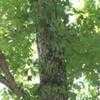
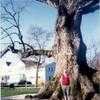
The White Oak (Quercus alba) stands as one of eastern North America's most majestic, long-lived, and ecologically vital trees. Known historically as the Charter Oak (from the legendary Connecticut tree that hid the colony's charter), it ranges from Quebec to Florida, west to Minnesota and Texas. A climax species of upland forests, it can live 300–600+ years, developing a massive, wide-spreading crown and deeply furrowed, light gray bark.
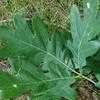
In the open, White Oak grows 50–80 feet tall with an equal or greater spread, its heavy, horizontal branches creating a rounded, picturesque silhouette. Leaves are 4–9 inches long with 7–9 rounded lobes, deep green above, pale and slightly fuzzy below, turning rich red-brown to purple-red in autumn. The acorns (3/4–1 inch) are sweet, maturing in one season—a critical food source for deer, turkey, squirrels, blue jays, and historically, Native Americans and early settlers (leached of tannins).
The wood is legendary: heavy, hard, strong, and rot-resistant due to tyloses that block the pores. It is the premier choice for whiskey/wine barrels (watertight), shipbuilding, flooring, furniture, and timber framing. Ecologically, it supports over 500 species of Lepidoptera (butterfly/moth caterpillars)—more than almost any other plant—making it a cornerstone of the food web.
Hardy in USDA Zones 3–9, White Oak prefers full sun and deep, moist, well-drained, acidic soil but adapts to drier, rocky sites. It develops a deep taproot, making transplanting difficult; plant young, container-grown specimens. It is sensitive to soil compaction and grade changes. Slow-growing but incredibly durable, it is the ultimate legacy shade tree for large landscapes, parks, and natural areas. A symbol of strength, endurance, and American heritage.
White Oak Progressive Branch Dieback: Internal Decay Suspected
White Oak Suckering and Gall Wasps: Normal Self-Pruning, Galls Cosmetic—Imidacloprid Ineffective
Oak Galls: Species-Specific, Not a Health Threat
Bur Oak (Quercus macrocarpa): Majestic Prairie Giant with Fringed Acorns
White Powdery Growth on Oak: Powdery Mildew or Insects?
White Oak Leafless Branches: Natural Shedding or Concern?
White Oak Galls: Fuzzy Balls Are Insect Homes, Not Leaf Eaters
White Poplar (Populus alba): The Silver-Leaved Shade Tree
Shumard Oak: The Stately Southern Red Oak for Landscapes
American Elm 'Princeton' (Ulmus americana 'Princeton'): Disease-Resistant Classic
Copyright © www.100flowers.win Botanic Garden All Rights Reserved