


Bur Oak, also called Burr Oak or Mossycup Oak, is the most majestic and drought-tolerant of the North American oaks—a true monarch of the prairies and savannas. Quercus macrocarpa (family Fagaceae) ranges from the Great Plains to the Appalachians, thriving where other oaks fear to tread.
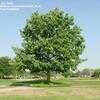
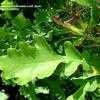
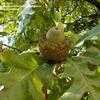
Bur Oak grows 70-80 feet tall (to 100+ in prime sites) with a massive, spreading crown that can exceed its height. The trunk is thick, deeply furrowed, gray-brown. The leaves are large (6-12 inches), variable—deeply lobed with a distinctive "waisted" shape, dark green, turning yellow-brown in fall. The acorns are the largest of any native oak (1.5-2 inches), with a deep, fringed cup covering half to nearly all the nut—hence "Mossycup." They're sweet and edible (after leaching tannins).
| Family: | Fagaceae (fag-AY-see-ee) |
| Genus: | Quercus (KWER-kus) |
| Species: | macrocarpa (ma-kro-KAR-pa) |
| Synonym: | Quercus macrocarpa var. macrocarpa |
| Synonym: | Quercus mandanensis |
| Synonym: | Quercus macrocarpa var. oliviformis |
| Synonym: | Quercus macrocarpa var. olivaeformis |
Bur Oak is a survivor: extreme cold hardiness (zone 3, -40°F), exceptional drought tolerance (deep taproot), fire resistance (thick bark), alkaline soil tolerance, and longevity (300-400+ years). It's a keystone prairie species—its acorns feed countless animals, its cavities house wildlife, its canopy shades the understory.
In landscapes, it's a premier shade tree for large properties, parks, and difficult sites. It's slow-growing (12-18 inches/year) but worth the wait. Transplant young (taproot). Cultivars are rare; the species' genetic diversity is its strength. For a faster-growing alternative with similar toughness, consider Chinkapin Oak (Q. muehlenbergii). Bur Oak is an investment in centuries of shade and beauty.
Oak Trees: History, Diversity, and Legendary Specimens
Turkey Oak (Quercus cerris): Growth, Ecology & Management
How to Distinguish Red Oak, Black Oak, and Bur Oak
Willow Oak (Quercus phellos): Fine-Textured Shade Tree for Wet Sites
Scarlet Oak (Quercus coccinea): Brilliant Red Fall Color
Diamond Leaf Oak (Quercus laurifolia): Semi-Evergreen Southern Oak
Young Oak Vertical Bark Cracks: Stress Injury, Consider Replanting
Brown Bumps on Pin Oak Leaves: Harmless Leaf Galls
Horned Oak Galls on Pin Oak: Serious but Manageable
Diagnosing and Managing Oak Wilt
Identifying "Indoor Oak": Likely Cissus rhombifolia (Oak Leaf Ivy)
Copyright © www.100flowers.win Botanic Garden All Rights Reserved