


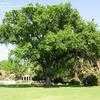
Few trees command the reverence of the English Oak (Quercus robur), also known as Pedunculate Oak or Truffle Oak. This iconic species has shaped European landscapes for millennia, symbolizing strength, endurance, and longevity. Mature specimens become living landmarks, their massive trunks and sprawling crowns defining parklands and ancient woodlands.
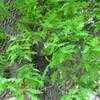
English Oak develops a broad, rounded crown with rugged, deeply fissured bark. Leaves are classically lobed—dark green above, paler beneath—turning rich russet-brown in autumn. Acorns are borne on long stalks (peduncles), distinguishing it from the sessile oak. In open settings, the trunk often divides low into massive, twisting limbs.
Oaks support more biodiversity than any other native tree—hundreds of insect species, birds, and mammals depend on them. The hard, durable timber has built cathedrals, ships, and fine furniture. Truffle enthusiasts value its mycorrhizal partnerships. Plant one for generations to come; English Oaks can live 800–1,000 years.


English Oak Yellowing After Transplant: Fertilize, Check Drainage
Propagating Oaks: Acorns Work, Cuttings Don't
Bur Oak (Quercus macrocarpa): Majestic Prairie Giant with Fringed Acorns
Shumard Oak: The Stately Southern Red Oak for Landscapes
Swamp Chestnut Oak (Quercus michauxii): Basket Oak
English Pennyroyal (Mentha pulegium): Traditional Herb with Toxic Oil
Chestnut Oak Identification Challenge: Quercus montana vs. muehlenbergii
Oak Trees: History, Diversity, and Legendary Specimens
Turkey Oak (Quercus cerris): Growth, Ecology & Management
Rosa 'Pat Austin' – Vibrant Copper English Rose
English Rose 'L. D. Braithwaite' (AUSli): Cultivar Profile
Eglantyne English Rose: Soft Pink Austin Charm
Hosta 'English Sunrise': Gold-Leaved Hosta with a British Flair
Copyright © www.100flowers.win Botanic Garden All Rights Reserved