


The pomegranate has been cultivated for millennia across the Mediterranean, Middle East, and Asia for its jewel-like arils, medicinal properties, and ornamental beauty. This deciduous shrub or small tree brings history, health, and visual drama to warm-climate gardens.
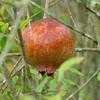
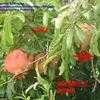
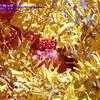
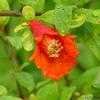
Typically 10–20 feet tall with multiple trunks, glossy narrow leaves, and showy, trumpet-shaped, orange-red flowers over a long spring-summer season. The fruit is a spherical berry (2–5 inches) with a tough, leathery rind (yellow to deep red) enclosing hundreds of juicy, edible arils, each surrounding a seed. Cultivars vary in fruit size, color, sweetness, and seed hardness.
Full sun, well-drained soil, hot summers, and cool winters (USDA zones 7–10). Drought-tolerant once established but fruits best with regular water. Self-fruitful. Prune in late winter to remove suckers, open canopy, and encourage fruiting wood.
Fresh eating, juice, cooking, baking, garnish. Rich in antioxidants (punicalagins, anthocyanins), vitamin C, and potassium. Ornamental value: flowers, fruit, and attractive bark. Dwarf cultivars suitable for containers.
Chonta Palm (Juania australis): Rare Chilean Palm
European Hornbeam (Carpinus betulus): The Classic Hedge & Shade Tree
Plumeria pudica: The Everblooming, Evergreen Frangipani
Durian (Durio zibethinus): The King of Fruits—Love It or Hate It
Washingtonia × filibusta: The Hybrid Fan Palm for Marginal Climates
Colocynth (Citrullus colocynthis): Bitter Desert Vine
Gopher Apple (Licania michauxii): Native Coastal Ground Cover
Copyright © www.100flowers.win Botanic Garden All Rights Reserved