


Winged sumac, also known as shining sumac or flame-leaf sumac, is a deciduous native shrub or small tree celebrated for its glossy, winged leaf rachises and spectacular autumn display. It thrives in tough conditions, making it a valuable plant for naturalistic plantings, erosion control, and wildlife gardens.
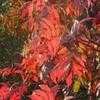
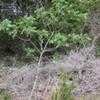
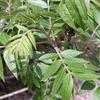
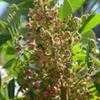
The common name "winged" refers to the flattened, leafy wings along the central leaf stalk (rachis) between the leaflets—a unique trait among sumacs. Leaves are dark green and glossy above, paler beneath. In late summer, female plants produce dense, pyramidal clusters of fuzzy red drupes that persist into winter, feeding birds and small mammals. Fall foliage ignites in brilliant shades of orange, red, and purple.
Winged sumac is adaptable to a wide range of soils, from dry, rocky slopes to moist bottomlands, and tolerates full sun to part shade. It spreads by root suckers to form colonies, which can be an asset for slope stabilization but may require management in formal gardens. Hardy in USDA zones 4–9.
The flowers attract native bees and other pollinators. The persistent fruit is a critical winter food source for birds such as robins, bluebirds, and cedar waxwings. The plant also serves as a larval host for several butterfly and moth species.
Empress Tree (Paulownia tomentosa)
Madagascar Palm (Pachypodium lamerei)
Dawn Redwood (Metasequoia glyptostroboides)
Winged Sumac (Rhus copallina): Native Shrub with Fiery Fall Color
Durian (Durio zibethinus): The King of Fruits—Love It or Hate It
Washingtonia × filibusta: The Hybrid Fan Palm for Marginal Climates
Cutleaf Staghorn Sumac 'Laciniata' (Rhus typhina 'Laciniata'): Dramatic Foliage
Copyright © www.100flowers.win Botanic Garden All Rights Reserved