Dalbergia sissoo: The Versatile Indian Rosewood
Known as *shisham*, *sissoo*, or Indian rosewood, *Dalbergia sissoo* is a fast-growing, deciduous tree native to the Indian subcontinent and Himalayan foothills. Valued for its durable, beautifully figured timber, nitrogen-fixing ability, and dense shade, it has been widely planted across the tropics and subtropics for agroforestry, reforestation, and ornamental use.
Botanical Profile
- Family: Fabaceae (legume family); subfamily Papilionoideae (formerly Papilionaceae).
- Genus: *Dalbergia* (over 250 species, many prized for timber).
- Species: *D. sissoo*.
- Habit: Medium to large deciduous tree, 40–80 ft tall, 30–50 ft spread; straight trunk, spreading crown.
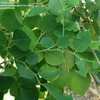
- Leaves: Alternate, pinnately compound, 3–5 leathery leaflets, 3–6 inches long.
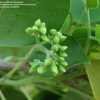
- Flowers: Small, fragrant, pale yellow to white, in dense axillary panicles (spring).
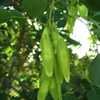
- Fruit: Flat, oblong, thin pod (1.5–2.5 in.), 1–3 seeds; wind-dispersed.
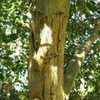
- Bark: Gray-brown, furrowed with age.
Native Range and Distribution
- Native: Sub-Himalayan tract (India, Pakistan, Nepal, Bhutan), up to 3,000 ft elevation.
- Naturalized/Planted: Throughout tropical/subtropical regions: Southeast Asia, Africa, Caribbean, Central America, Florida, Hawaii.
Uses and Values
- Timber: Heartwood golden to dark brown with darker streaks; hard, dense, termite-resistant. Premium furniture, cabinetry, flooring, musical instruments, boatbuilding, tool handles.
- Agroforestry: Nitrogen-fixing (rhizobial nodules); improves soil fertility. Intercropped with crops.
- Shade/Shelter: Dense canopy for tea/coffee plantations, livestock, homesteads.
- Fodder: Leaves and pods fed to livestock (moderate protein).
- Fuel/Charcoal: High calorific value.
- Medicinal: Traditional uses for bark, leaves, oil (skin ailments, digestive).
- Erosion control: Deep taproot stabilizes riverbanks, slopes.
Growing Requirements
- Climate: Subtropical to tropical; 10–115°F; tolerates light frost when mature. 20–60 inches rainfall.
- Light: Full sun.
- Soil: Adaptable: alluvial, sandy, clay, even slightly saline/alkaline. Best in deep, well-drained loam. pH 6–8.
- Water: Drought-tolerant once established; grows faster with regular moisture.
- Propagation: Seed (soak 24 hrs), stem cuttings, root suckers, tissue culture.
- Growth rate: Fast: 3–5 ft/year under good conditions.
Management and Concerns
- Invasiveness: Can self-seed aggressively in favorable climates (e.g., Florida, Hawaii); listed as invasive in some regions.
- Pests/Diseases: Heart rot (*Ganoderma*), dieback (*Fusarium*), borers, defoliators.
- Pruning: Regular thinning for timber form; coppices well.
- Root suckers: Can form thickets; manage in landscape settings.
Cultural Significance
State tree of Punjab (India) and Punjab (Pakistan). "Sheesham" wood is a household name for quality furniture across South Asia.


