


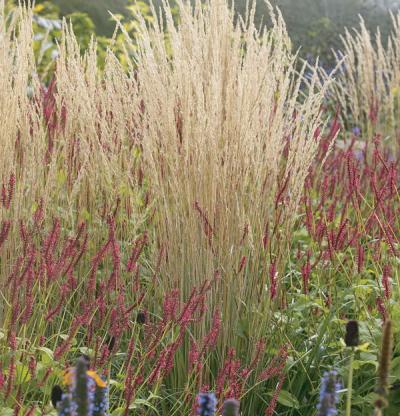
This care-free ornamental grass offers wheat-like appearance with slender, upright, lustrous deep-green foliage effective from early spring through winter. Purplish-green feathery plumes reach 6 feet, blooming distinctively in early summer. Long-lived (25+ years).
Considered drought-tolerant and deer-resistant once established. Attracts birds. Does not reseed. Excellent for hedges, backdrops, or screens.
Leave foliage and plumes for winter interest; cut back near ground in early spring. Divide in mid-spring if needed.
Ergot, powdery mildew, tar spot, smut, and foot rot can occur but are uncommon.
Chives Tasting Like Grass: Grass Invasion or Variety Confusion?
Is Lemongrass Perennial in Indianapolis? Overwintering Tips for Zone 5/6
Yellow Spring Lawn in Central PA: Diagnosing the Cause
Sod vs Seed for Science Project: Where to Buy
Removing Centipedegrass From St. Augustine Lawn
Overseeding Bermuda with St. Augustine or Zoysia: Not Effective
Tilling and Sodding in West Texas: Timing and Grass Choice
Late-Season Fungicide on English Lawns: Why It Fails
Mowing Wet Grass in Rainy Conditions: Practical Advice for Bluegrass Lawns
Heavy Shade Lawn Alternatives: Beyond Grass
Keep Clover in Your Lawn — It's a Natural Fertilizer
Centipede Grass Invasion in North Florida: Herbicide List (Use With Extreme Caution)
Copyright © www.100flowers.win Botanic Garden All Rights Reserved