


Family: Araliaceae
Genus: Panax (PAN-aks)
Species: quinquefolius (kwin-kway-FOH-lee-us)
Synonyms: Aralia quinquefolia, Panax americanus
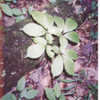
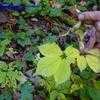
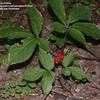
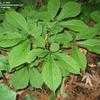
American ginseng is a slow-growing, long-lived perennial herb of rich, deciduous forests. Mature plants reach 12–18 inches tall with a single stem bearing a whorl of 3–4 (sometimes 5) palmately compound leaves, each with 5 serrated leaflets. In early summer, a small umbel of greenish-white flowers appears, followed by clusters of bright red berries in late summer. The prized taproot is fleshy, often forked, and develops characteristic "wrinkles" with age.
Requires deep shade (70–80%), rich, moist, well-drained loam with high organic matter and calcium. pH 5.5–6.0. Hardy in zones 3–8. Grown from stratified seed (18–22 months to germinate) or rootlets. Takes 5–10 years to reach harvestable root size. Wild populations are threatened by overharvest and habitat loss. Many states regulate harvest and trade. Purchase only from certified cultivated sources or grow your own under woods-cultivated or wild-simulated methods.
Root contains ginsenosides (Rb1, Rg1, etc.) with adaptogenic, immunomodulating, and cognitive-enhancing properties. Highly valued in Asian markets; premium wild-simulated roots fetch hundreds of dollars per pound. A major non-timber forest product supporting rural economies.
Never dig wild plants. Support forest farming initiatives. Plant seeds from reputable sources to help restore populations.
Opuntia scheeri: A Shrubby, Red-Flowered Prickly Pear
Pachgerocereus orcuttii: A Rare, Hybrid Columnar Cactus
Stipa (Stipa joannis): Feather Grass with Silky Awns
Hypericum cerastoides (Hypericum)
Rosemary (Rosmarinus officinalis): Aromatic Evergreen Herb for Kitchen and Garden
Lantana (Lantana camara): Colorful Clusters for Sunny Gardens
Catnip (Nepeta cataria): The Feline Favorite Herb
Patchouli (Pogostemon cablin): The Iconic Fragrance Herb
Feverfew (Tanacetum parthenium): Traditional Migraine Remedy
Borage (Borago officinalis): Starflower for Bees and Cuisine
Comfrey (Symphytum officinale): Healing Herb and Dynamic Accumulator
Bloodroot (Sanguinaria canadensis): Spring Ephemeral with Red Sap
Copyright © www.100flowers.win Botanic Garden All Rights Reserved