


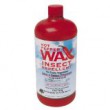
The heat in peppers comes from capsaicin, a compound that irritates and repels many soft-bodied insects. Found in chili peppers, cayenne, paprika, and even some herbs like dill, capsaicin makes an effective, low-cost pest deterrent for indoor plants.
Spray all plant surfaces, focusing on leaf undersides where pests hide. Reapply every 5–7 days or after watering. Wear gloves and eye protection—capsaicin can burn skin and eyes. Avoid spraying in direct sunlight to prevent leaf scorch. Commercial pepper sprays are also available if you prefer a ready-to-use option.
Works well against aphids, spider mites, whiteflies, and thrips. Less effective on hard-bodied insects like scale or beetles.
Privacy Planting for Shaded Balconies: Vines and Vertical Solutions
Shade Garden Design for Northeast Ohio: Plant Selection & Layout
Is Orange Oil Safe for Roses? Evaluating Alternative Sprays for Black Spot and Aphids
Tacoma, WA Tap Water Unsuitable for Carnivorous Plants (156 ppm)
Testing Bay Area Tap Water for Carnivorous Plant Safety
Church Easter Plants for Low Light: Move Them or Use Grow Lights
Easiest Houseplants for Beginners: ZZ Plant & Low-Maintenance Alternatives
Caring for Ornamental Pepper Plants Indoors
Plants That Thrive in Wet, Leaky Yard Areas
Mealybug Eradication in a Retail Garden Center
Indoor Habanero Pepper: One Bland Fruit—Light, Heat & Transplant Issues
Overwintering Potted Perennials in Zone 3–4 Ontario
Copyright © www.100flowers.win Botanic Garden All Rights Reserved